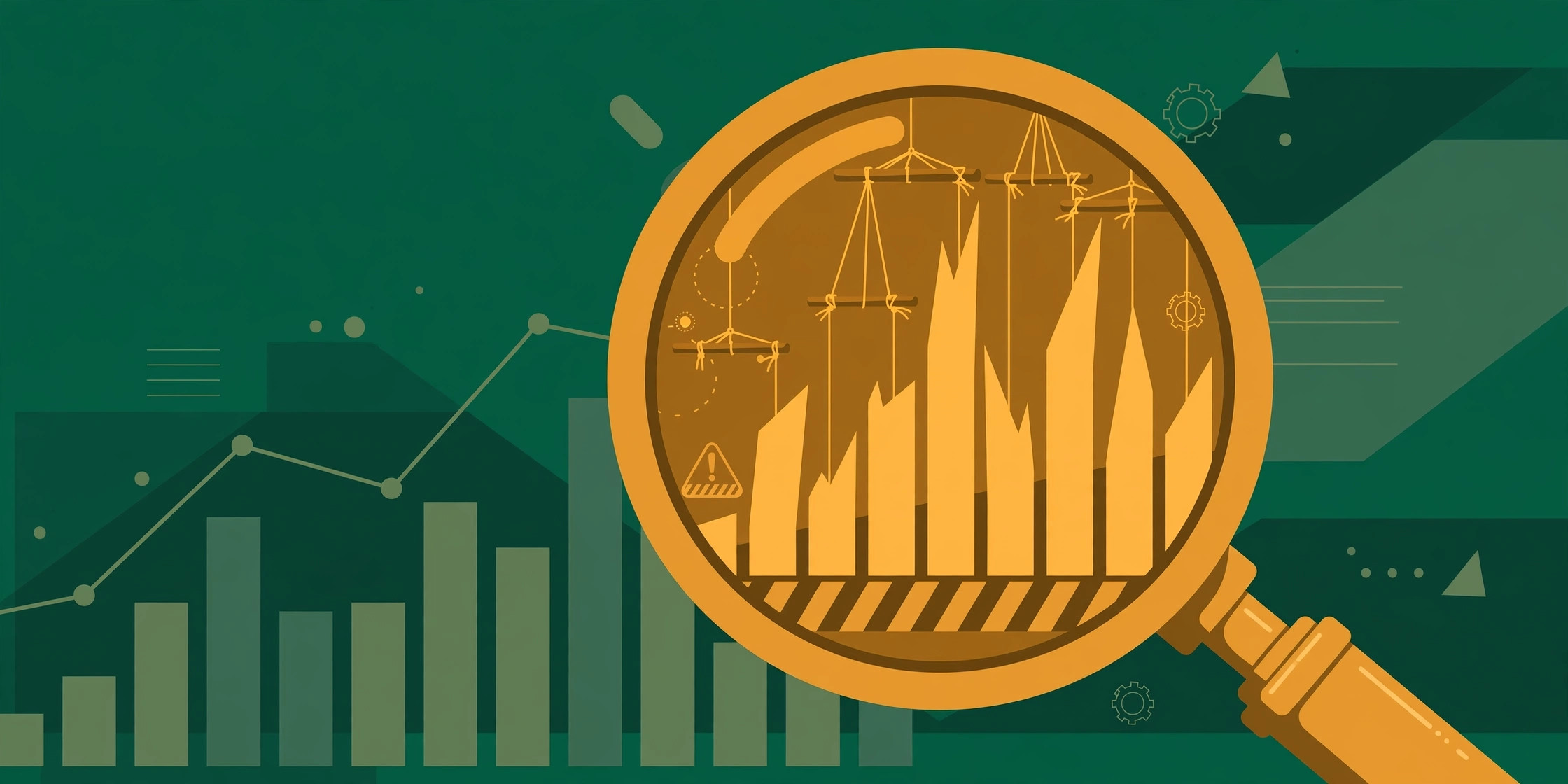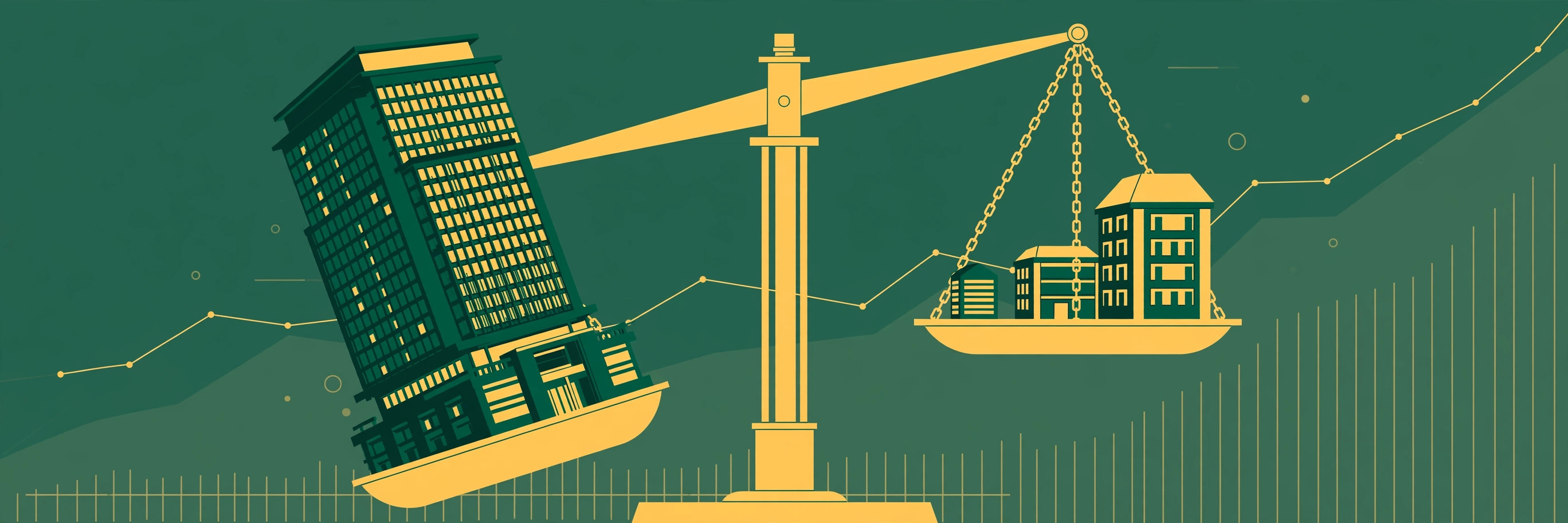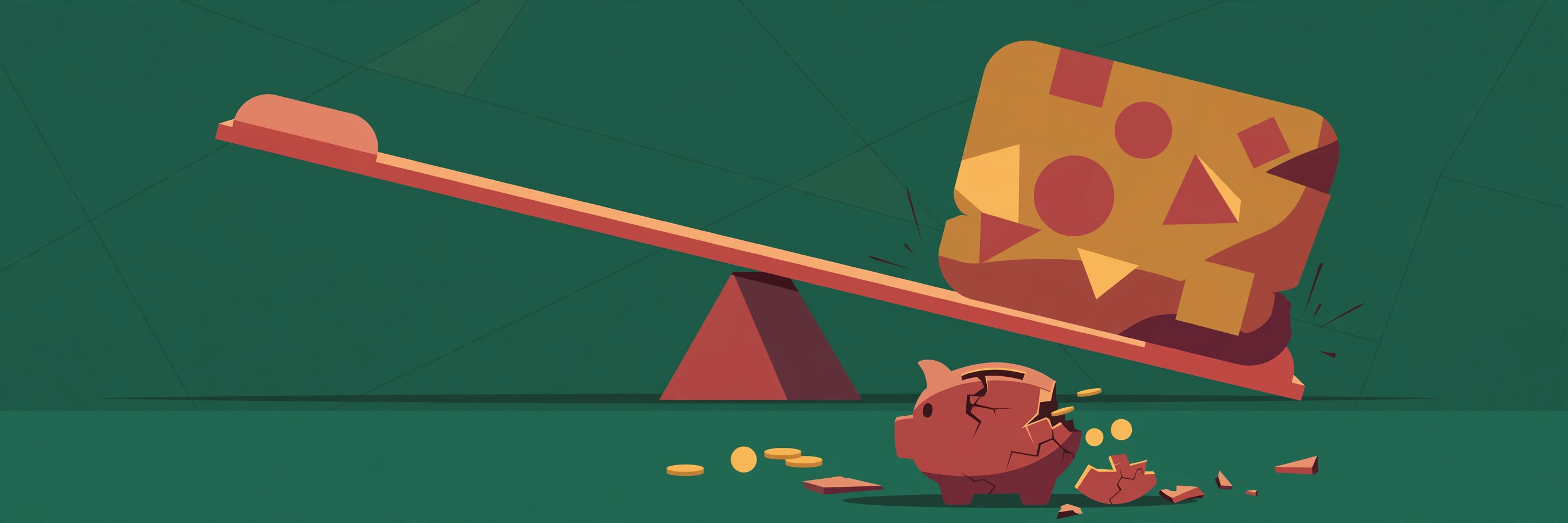
KARACHI: Leverage is the market's most seductive offer: control Rs 200,000 of shares with Rs 100,000 of your own. The Pakistan Stock Exchange provides regulated margin facilities — and a long casualty list of investors who discovered that leverage multiplies losses exactly as efficiently as gains. This is the honest tour.
What margin actually is
In margin trading, your broker lends you part of the purchase price so you can buy more shares than your cash alone allows; in margin financing, a financier funds positions against your securities as collateral. Either way you pay a financing cost (markup) for the privilege, which accrues whether your shares rise or fall. Your own cash is the margin — the cushion absorbing the first losses. Note that simplified Sahulat accounts deliberately restrict leveraged products: regulators consider them unsuitable for small beginners, which tells you something.
Margin calls and forced selling
The brutal mechanics: if your shares fall, your cushion shrinks. Fall far enough and the broker issues a margin call — deposit more cash immediately. Fail to do so and the broker sells your shares to recover the loan, typically at the worst possible moment, locking in the loss. This is how a 20% market dip becomes a 40%+ personal loss with the financing costs stacked on top. Leverage converts volatility — which long-term investors can ride out — into permanent damage.
Why beginners are the natural victims
Three beginner traits make leverage lethal: small capital (so financing costs eat a larger share), short horizons (no time to recover from dips), and overconfidence after early wins (the classic path is profit → bigger leverage → wipeout). Add the emotional reality — leveraged losses hurt more, trigger panic, and destroy the patience that unleveraged investing rewards. The market does not need to be "wrong" for leverage to ruin you; it only needs to wobble at the wrong time.
The boring alternative that works
Invest only money you actually own, in companies you understand, with a horizon of years. You will never face a margin call, never pay financing costs, and never be forced to sell quality shares in a panic. Leverage is a professional tool with professional risk controls; for everyone else, the highest-return move is simply avoiding it until — and unless — you deeply understand what can go wrong. Educational content only, not financial advice.
Key takeaway: leverage turns temporary dips into permanent losses via margin calls and financing costs. Beginners should treat it as off-limits.