KARACHI: Ask a new investor about their returns and they will quote price changes. Ask about their costs and you will get a blank stare. Yet costs are the one part of investing you control completely — and in Pakistan they come in three layers, one of them nearly invisible.
Layer 1: brokerage commission
Your broker charges a commission on every buy and sell — commonly a small percentage of trade value subject to a minimum per trade. That minimum is the silent killer of small portfolios: a Rs 50 minimum on a Rs 5,000 trade is a 1% haircut before the market even moves, charged again when you sell. Frequent trading multiplies it. Before choosing a broker, get the full schedule in writing: percentage, minimums, and any account maintenance or custody charges. Then trade less often and in larger sizes — patience is a cost strategy.
Layer 2: taxes and levies
Pakistani investors face capital gains tax on profitable sales (rates and holding-period rules have changed over the years — confirm the current schedule), withholding tax on dividends, and small regulatory levies embedded in the trade itself. These apply whether you use a fancy app or a phone call to your broker; no interface can waive the government's share. Our guides on capital gains tax and dividend taxation walk through the mechanics. The practical move is tax-awareness, not tax-avoidance schemes: know the holding periods, keep records, and file correctly.
Layer 3: the invisible spread
The bid-ask spread — the gap between the highest buying price and the lowest selling price at any moment — is a cost you pay without any bill. On liquid blue chips it is negligible; on thinly traded shares it can exceed the broker's commission several times over. Every market order crosses the spread; limit orders can avoid it but may not fill. Checking the spread before trading, and sticking to liquid shares, is free money.
Why low costs are a strategy, not a perk
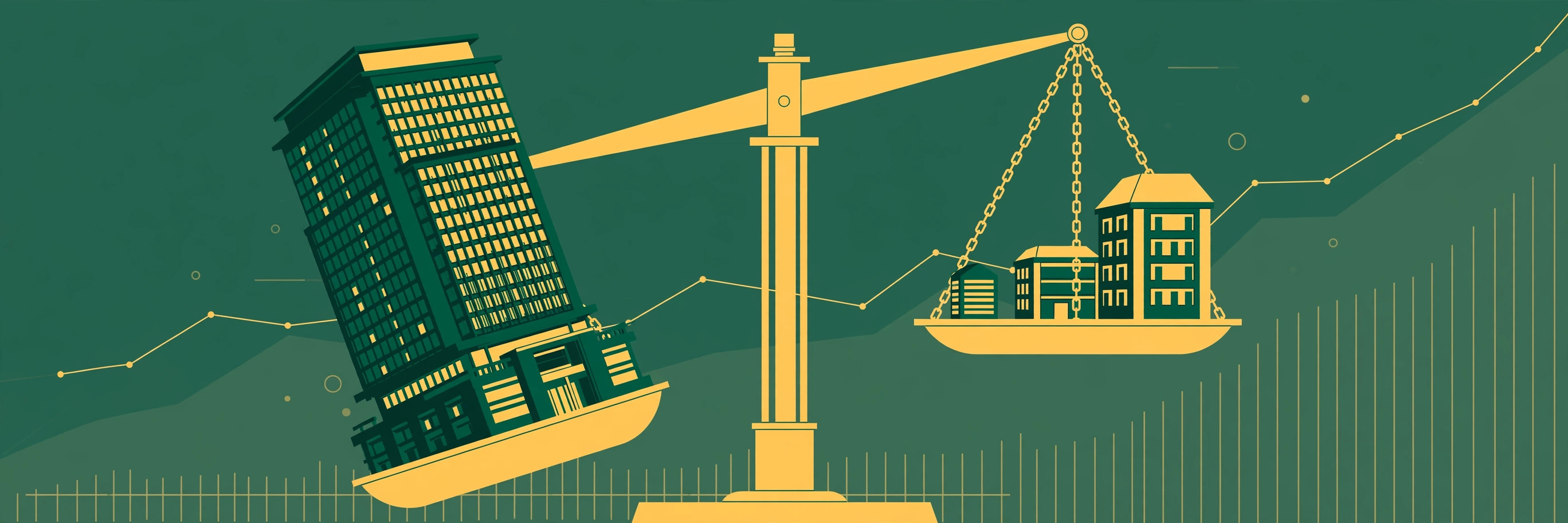
A 2% annual cost drag does not sound dramatic until compounding does its work: over twenty years it can erase roughly a third of your wealth versus a near-zero-cost alternative. This is the entire logic behind Aktzien's planned low-cost commission model for PSX trades — fewer rupees lost to friction means more rupees compounding for you. Costs are certain; returns are not. Minimise the certain part.
Key takeaway: commission minimums punish small trades, taxes take their share regardless, and spreads tax the impatient. Control all three and compounding does the rest.