KARACHI: Cherat Cement Company Limited — CHCC on the Pakistan Stock Exchange — takes its name from the Cherat hills of Khyber Pakhtunkhwa, the limestone ridge near Nowshera where its plant stands and from which it digs its raw material. Incorporated in 1981 and in commercial production by the mid-1980s, it holds a genuine place in Pakistan's industrial history: it is widely described as the first cement plant of the modern private sector, built at a time when cement was still a state-dominated business. Its owner, the Ghulam Faruque Group, is one of the country's older industrial houses, founded by a man who had run railways, chaired the Pakistan Industrial Development Corporation and governed East Pakistan before turning to business. Cherat Cement has never tried to be Pakistan's biggest cement maker. It has instead spent four decades being a focused, single-plant northern producer with a strong regional brand — and, in the late 2010s, it tripled down on that bet with back-to-back expansion lines that transformed its scale.
What Cherat Cement does
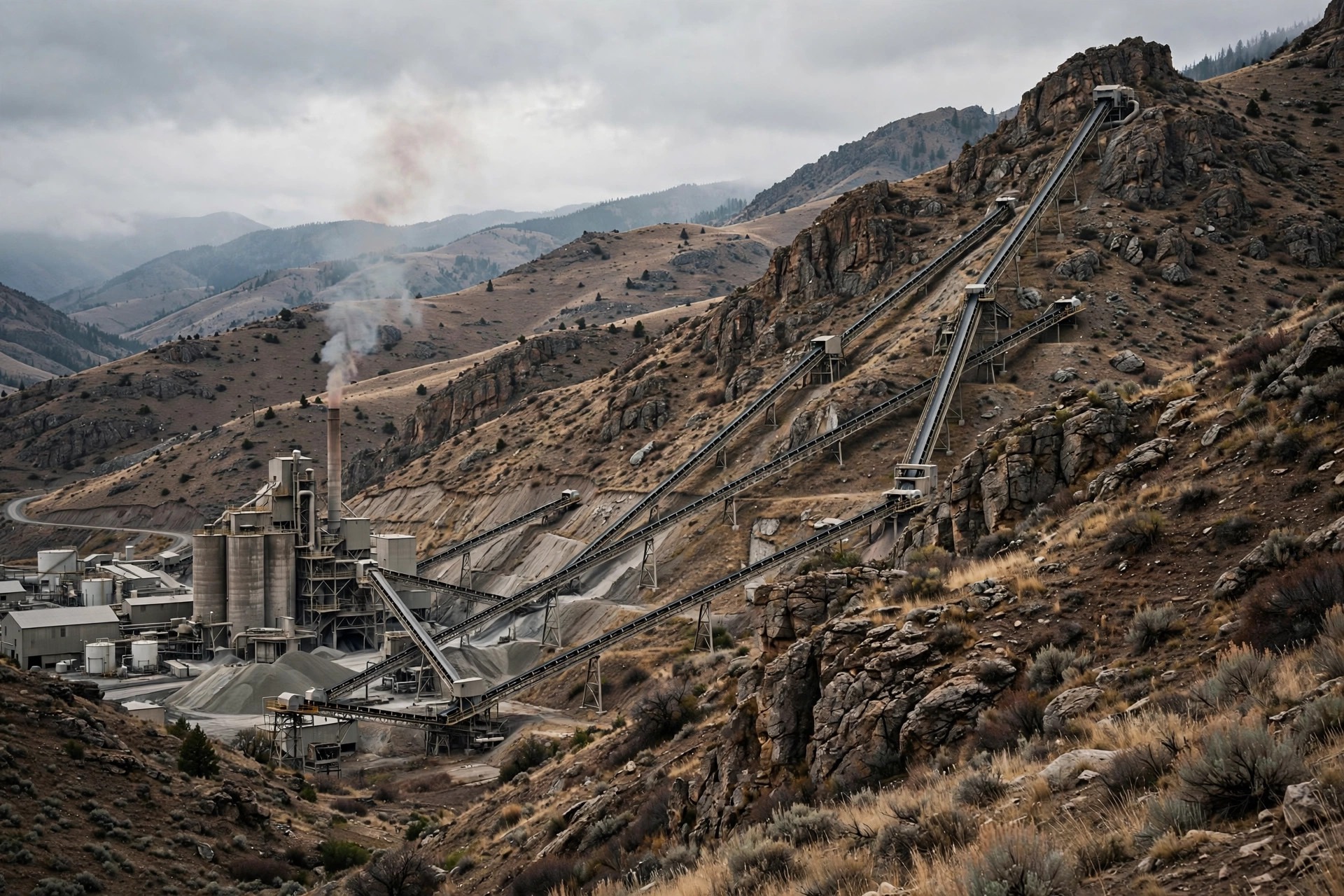
The company's business is the manufacture, marketing and sale of Ordinary Portland Cement under the Cherat brand, together with clinker, the intermediate product from which cement is ground. Its plant is at Village Lakrai in District Nowshera, Khyber Pakhtunkhwa, roughly fifty kilometres from Peshawar, built against the Cherat hills whose high-quality limestone reserves the company has long estimated in the hundreds of millions of tonnes, with slate and other raw materials nearby. Location dictates the market map: the plant serves Khyber Pakhtunkhwa first — where the company describes itself as the leading cement in its region — together with the adjoining districts of northern Punjab, the former tribal areas and Azad Kashmir, and it is geographically well placed for export to Afghanistan through the Torkham corridor.
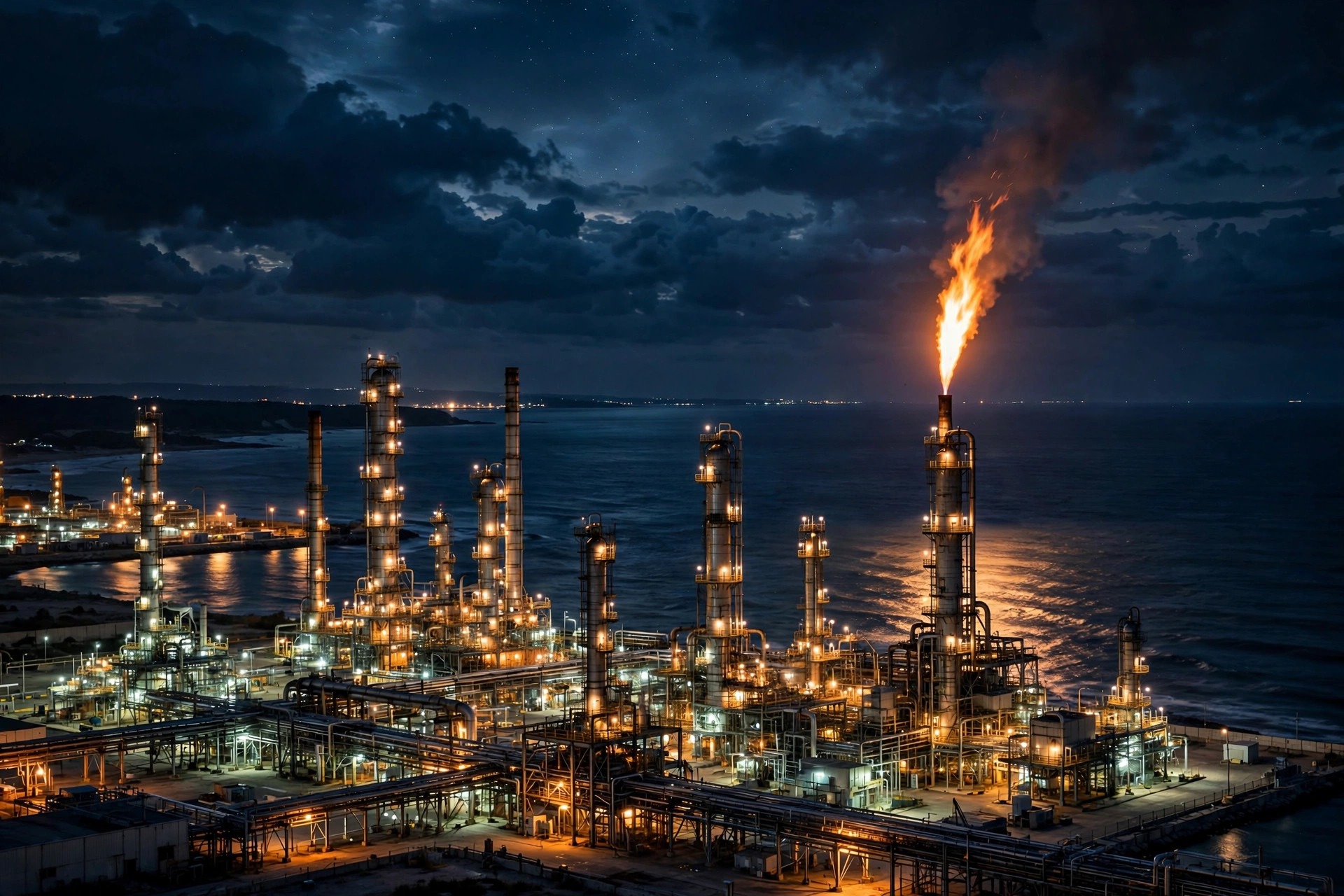
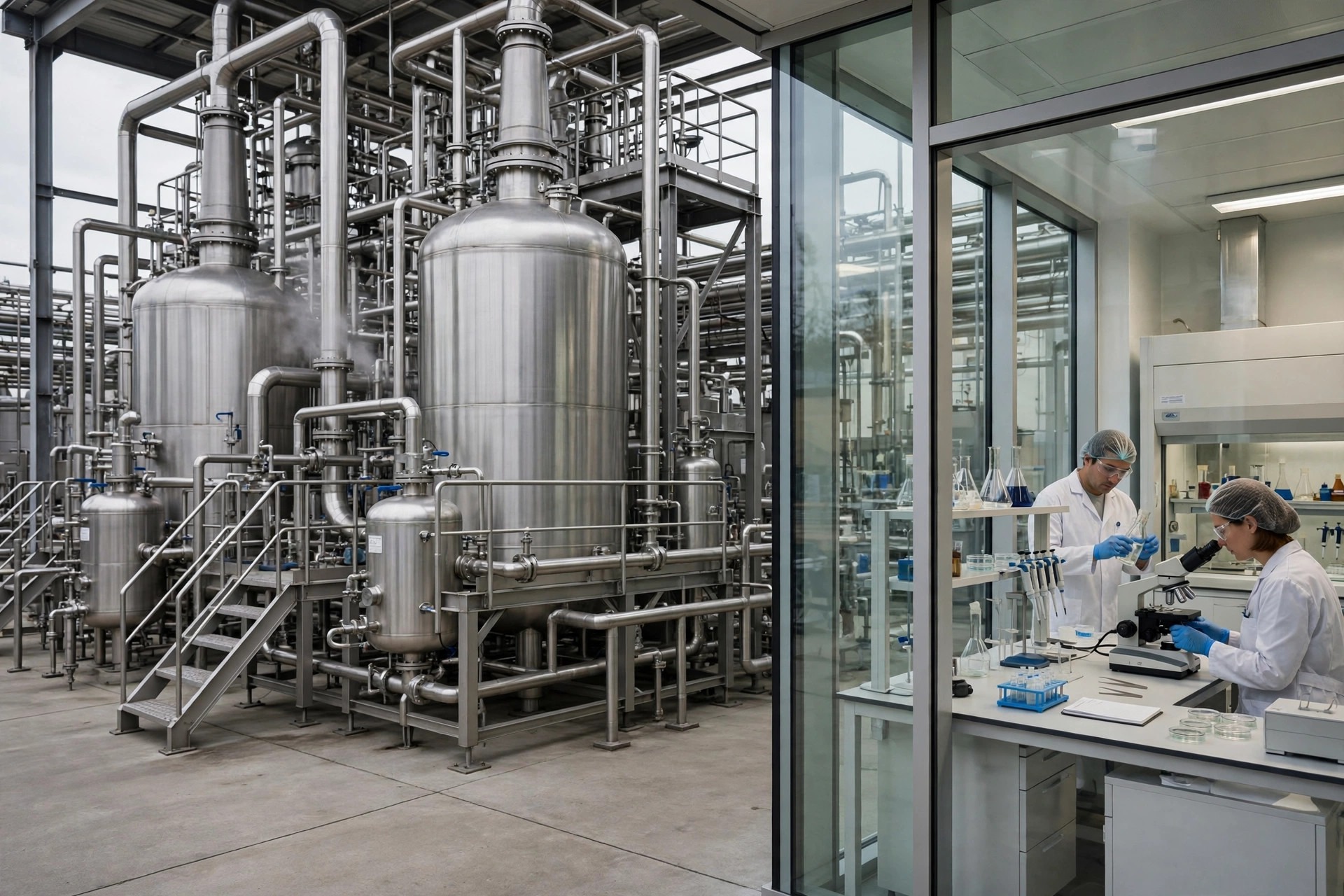
Production is the industry-standard dry process: quarrying and crushing limestone, firing raw meal in rotary kilns to produce clinker, and grinding clinker with gypsum into bagged and bulk cement. The company is certified to ISO 9001 for quality management and ISO 14001 for environmental management. In the taxonomy of PSX cement stocks, Cherat is a pure-play, single-location northern producer: no southern plant, no overseas ventures, no diversification into other building materials — a simplicity that makes its results an unusually clean read on the economics of one well-run frontier plant.
The Ghulam Faruque Group: the founder behind the name
The sponsoring group's founder, Ghulam Faruque Khan (1899–1992), had one of the most remarkable public careers of Pakistan's first generation. Educated at Aligarh, he rose through the railways of British India to become general manager of the East Indian Railway, then after Partition chaired the Pakistan Jute and Cotton Board, became the founding-era chairman of PIDC in the 1950s, chaired the Pakistan Ordnance Factories, helped establish WAPDA, participated in the Indus Waters Treaty negotiations of 1960, and served as Governor of East Pakistan in 1962, besides holding federal ministerial and advisory roles. The group he founded in 1947 — the Ghulam Faruque Group — was organised around Faruque (Private) Limited, established in 1964 as its parent and investment arm.
Over the decades the group assembled a portfolio that still defines it: Mirpurkhas Sugar Mills, taken over from PIDC in the 1960s and among Pakistan's more efficient sugar producers; Cherat Packaging (and its papersack origins), which became the country's largest supplier of paper and polypropylene bags to the cement industry — a natural vertical companion to a cement plant; Greaves Pakistan, an engineering and trading house; and ventures such as Unicol in industrial alcohol, plus power and technology interests. The family connection matters for Cherat Cement in practical ways: its cement bags come substantially from a sister company, its management culture is the group's — engineering-led, conservative with debt relative to many peers, long-horizoned — and its strategic patience reflects a house that measures ownership in generations. Ghulam Faruque died in 1992; the group continues under his descendants, with family members chairing and running its listed companies.
1981: a private plant in a state industry
Cherat Cement was incorporated in 1981, at the tail of the era when Pakistan's cement capacity was dominated by the state-owned State Cement Corporation and its units. Industry histories describe Cherat as the first private-sector cement plant to commence commercial operations — in 1985 — after that state monopoly began to loosen. The choice of site was geological before it was commercial: the Cherat range offered abundant, good-quality limestone virtually at the plant gate, sparing the largest raw-material cost of cement-making, while the Nowshera location put the works within reach of Peshawar, the northern Punjab markets and the Afghan border trade.
The original plant was modest by today's standards — a single line whose capacity contemporary profiles put in the hundreds of tonnes per day, later expressed as under a million tonnes a year. For its first two and a half decades the company grew incrementally: debottlenecking, modernising and defending its home turf in the northwest against larger rivals, while the state's plants were privatised around it and new giants rose in the south and centre. Cherat's brand settled into a durable regional position — the default cement of its home province's builders and contractors, with a reputation for consistent quality that the company has always put at the centre of its identity.
The big expansion: Lines II and III
The transformation came late and fast. Judging that northern demand — fed by housing, infrastructure and the CPEC-era construction cycle — had outgrown its single line, Cherat committed to a second production line, which began production in January 2017 and lifted installed capacity to about 2.4 million tonnes a year. Almost immediately, the company followed with a third line, operational in January 2019, taking annual installed capacity beyond 4.5 million tonnes — roughly a fourfold increase on the historic plant within about two years. The expansions were financed with long-term loans arranged with leading banks on terms the company described as competitive, and were accompanied by investment in power: additional generation including Wärtsilä engines was ordered to run the enlarged plant efficiently, alongside the waste-heat recovery and alternative-fuel investments — solar, refuse-derived fuel and biomass among them — that recent company reporting highlights.
The timing deserves an honest note, because it is the central drama of the stock's recent history: Cherat completed its great expansion just as Pakistan's economy slowed, interest rates climbed and cement demand softened, leaving the enlarged plant under-utilised in its first years and the debt taken to build it exposed to high rates. That is the classic cement-cycle trap — capacity decided in a boom arrives in a bust — and the company's subsequent story has been about sweating the new lines as demand, exports and prices gradually recovered. It also illustrates why long-horizon family ownership matters: a sponsor thinking in decades can carry a plant through a utilisation trough that a purely financial owner might not.
How Cherat makes money
The mechanics match the industry template, sharpened by Cherat's specifics. Revenue is tonnes of cement and clinker sold, multiplied by retention prices in the northern market, plus export realisations to Afghanistan. Costs are led by energy — coal for the kilns, priced largely in dollars whether imported or traded regionally, and electricity, part self-generated — then packing (much of it bought from sister company Cherat Packaging), freight into dispersed northern markets, maintenance and finance. The plant's limestone advantage is structural: reserves at the doorstep keep raw-material and haulage costs low across the asset's life, one reason a single-plant company can hold margins against multi-plant groups.
Because fixed costs are high and the asset base is concentrated, utilisation is the master variable: the same kilns that generate handsome cash at high running rates generate thin results at half capacity. Cherat's levers are therefore visible and few — keep the lines running, defend home-market share, use the Afghan export valve when border trade flows, manage the coal mix between imported and local sources, and hold the debt taken for expansion on a declining path. Compared with the diversified Bestway Cement cluster to its east or the Nishat Group's D. G. Khan Cement to the south, Cherat is the purest bet on one location's economics — for better in strong years, for worse in weak ones.
What investors typically watch
The CHCC checklist follows from that purity. Capacity utilisation of the three lines is the headline number each results season. Northern retention prices and dispatches set the revenue line; coal and energy costs, including self-generation performance, set the margin. Afghan exports matter disproportionately given the plant's geography, and are hostage to border politics and Afghan demand. Debt levels and finance costs track how quickly the expansion is being paid for, while dividend resumption and growth in good years signal management's confidence. Group signals — the health of Cherat Packaging's order book, for instance, which sells bags to the whole industry — offer an extra read on sector volumes. Its KSE-100 seat, reviewed on the cycle described in KSE-100 rebalancing explained, keeps the stock in benchmark portfolios through these swings.
This profile is educational content, not financial advice. Cherat Cement's story is a reminder that Pakistan's market includes companies built by the state's own first industrial managers, turned family houses, still compounding quietly in the hills their founders chose eighty years ago — background reading for which sits at Aktzien Learn.
There is also a group-level story an investor in CHCC gets for free, because Cherat does not stand alone inside the Ghulam Faruque house. The same family stable includes a sugar mill whose fortunes turn on cane prices and crushing seasons, a packaging company whose order book is effectively a census of the whole cement industry's bag demand, an engineering house representing foreign principals, and alcohol and power ventures. None of that diversifies CHCC's own accounts — shareholders own the cement company, not the group — but it shapes the sponsor's behaviour: a group earning elsewhere in the value chain can afford patience with a cement plant in a downturn, can supply its bags and engineering services within the family, and thinks of the Nowshera site as a permanent industrial home rather than a tradable asset. The group's history also explains the company's governance flavour: family chairmanship, long-serving professional managers, conservative disclosure and a preference for funding expansion with bank debt against the plant rather than repeated equity issues that would dilute the family. Readers comparing Pakistani industrial houses — Mansha's Nishat, the Yunus Brothers' Lucky empire, the Dawoods' Engro — will find the Ghulam Faruque Group the quietest of the majors, and Cherat Cement is faithful to that temperament: four decades in the same hills, doing one thing, and saying relatively little about it.
The plant's workforce and town form the usual single-industry symbiosis of Pakistan's company settlements. Nowshera district's economy feels Cherat's payroll, its transport contracts and its purchases directly; the company's demand supports the trucking and services economy of the Peshawar valley, and its expansions were local events as much as market ones. In return, the plant draws on generations of locally rooted skilled labour and on the social licence that comes from being the district's best-known industrial name since the 1980s. Environmental obligations travel with that licence: quarrying in the Cherat hills, dust and emissions control, water use and rehabilitation of worked-out benches all feature in the compliance world of a modern cement plant, and the company's ISO 14001 certification and reported investments in alternative fuels and solar generation are its public answers. For a reader of the annual report, these are not decorations: energy and environmental performance in cement are cost lines, licence-to-operate lines and, increasingly, lines that export customers and lenders read first.
Key takeaway: Cherat Cement is the Ghulam Faruque Group's frontier plant — incorporated in 1981 beside the Cherat hills' limestone, a regional leader for decades at modest scale, then transformed by back-to-back expansions in 2017 and 2019 that took capacity beyond 4.5 million tonnes a year.