Habib Metropolitan Bank (HMB): the trade-finance specialist in the House of Habib
Born as Metropolitan Bank in 1992 and reshaped by a 2006 merger with Habib Bank AG Zurich's Pakistan business, HMB built its name on financing Pakistan's trade.
20 more long-form profiles — power generators, textile exporters, car assemblers and the banks and energy names that anchor the index. See also profiles D–H and the 44 Learn guides. Educational content only, not financial advice.
Born as Metropolitan Bank in 1992 and reshaped by a 2006 merger with Habib Bank AG Zurich's Pakistan business, HMB built its name on financing Pakistan's trade.
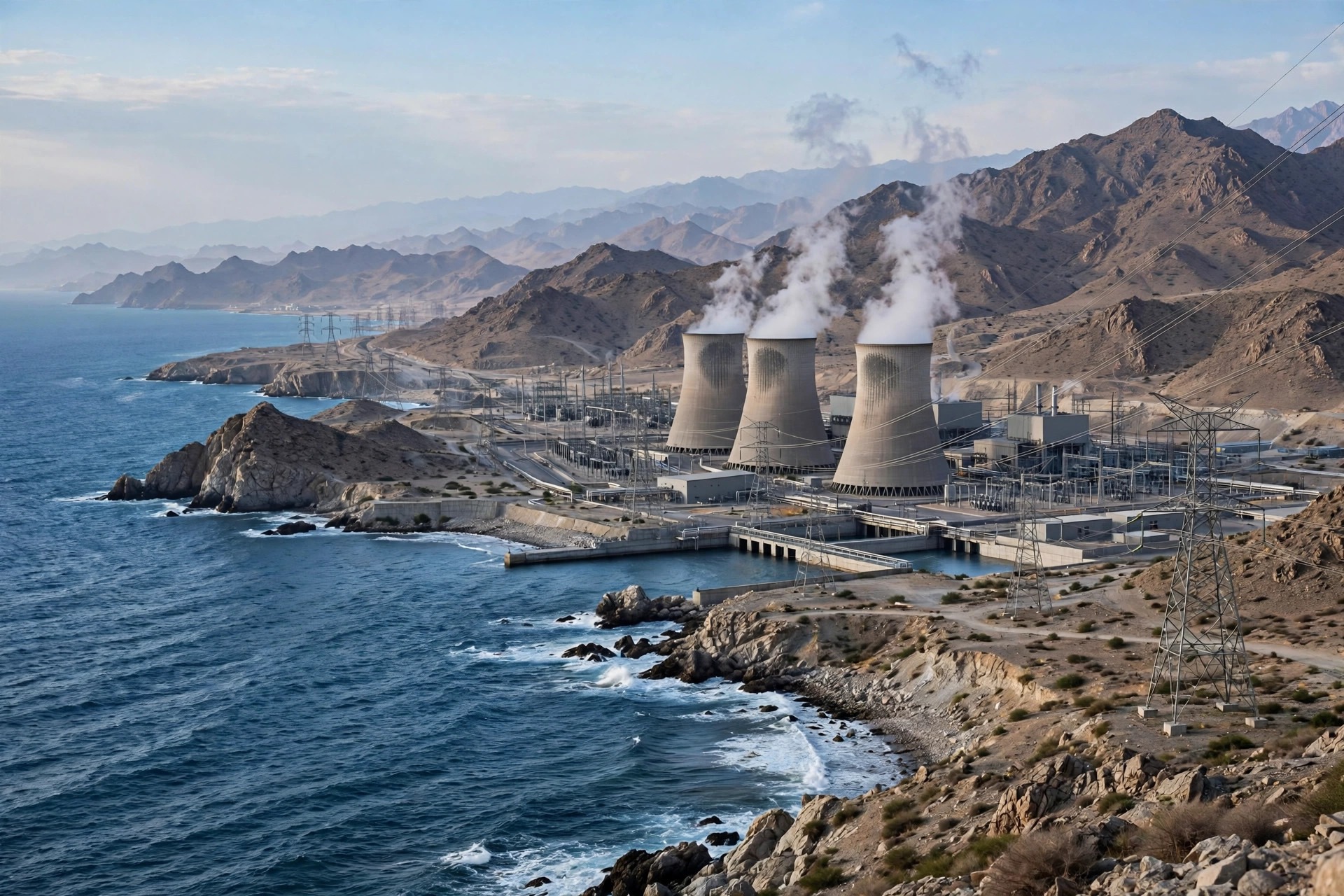
Pakistan's first independent power producer began as a single giant oil-fired plant at Hub and grew into a portfolio spanning hydro, Thar coal and oil and gas.
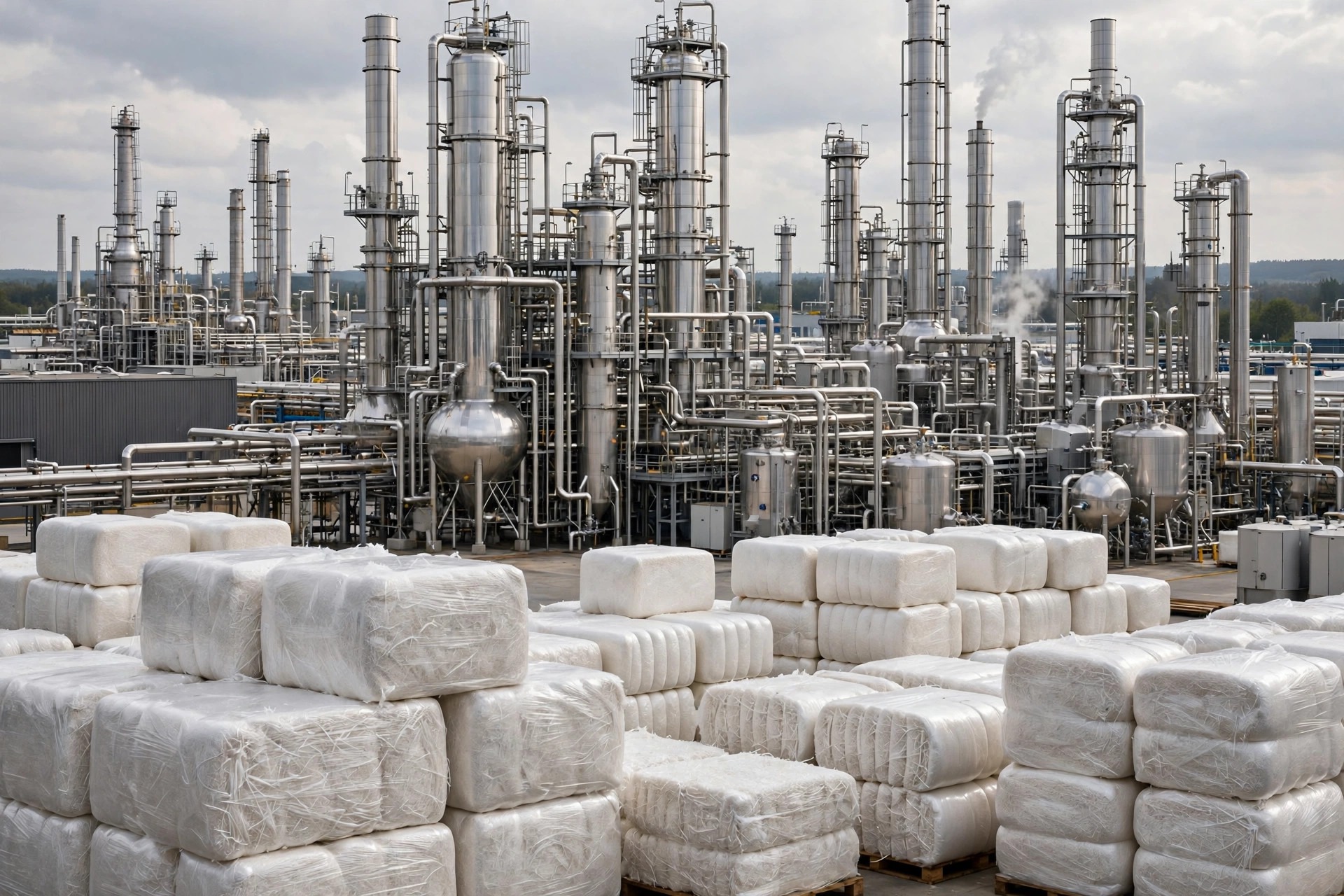
Incorporated in 1986 and folded together with sister spinning mills in 2000, Ibrahim Fibres makes the polyester staple fibre that runs through Pakistan's textile chain.
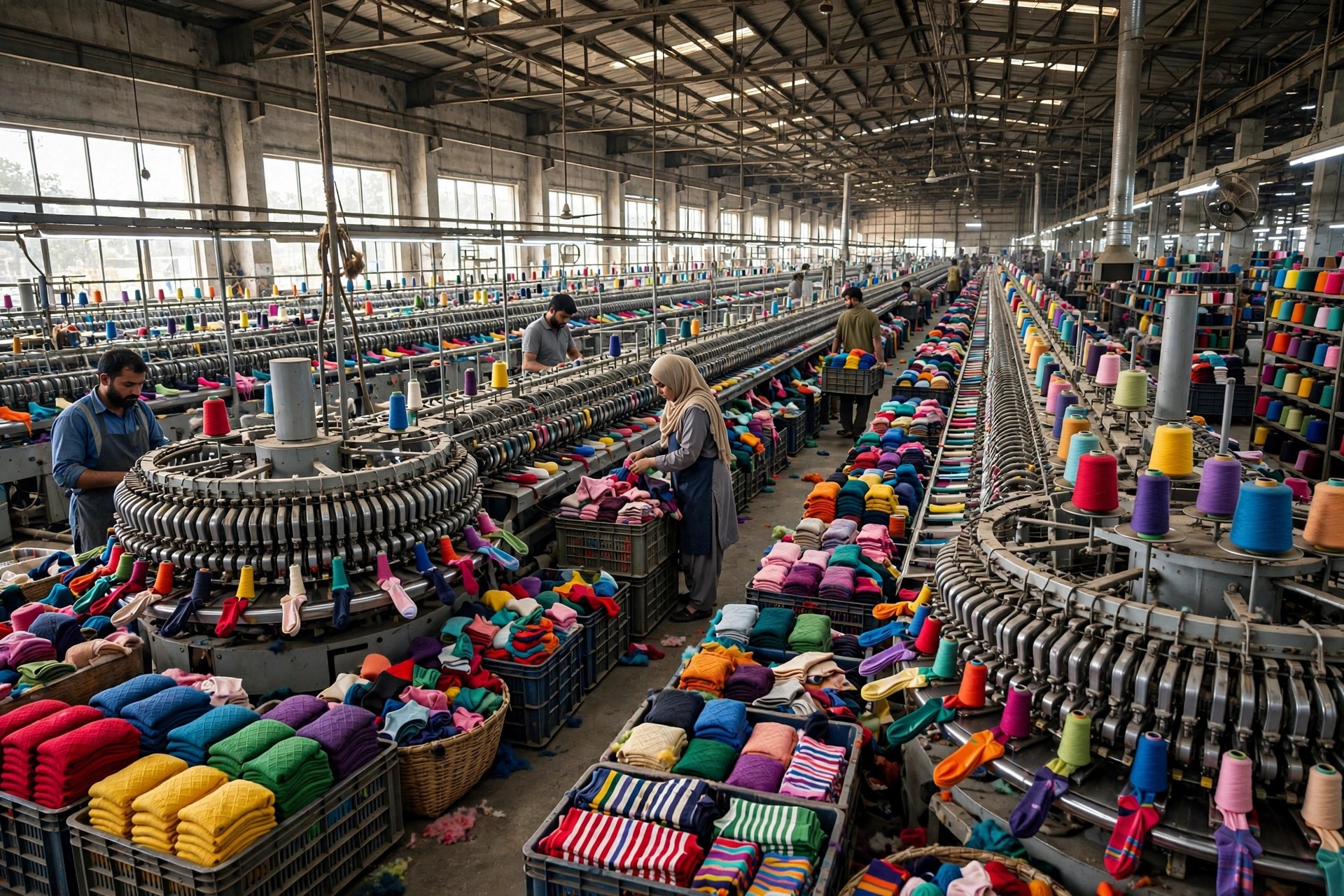
Started in Faisalabad in 1992 with ten knitting machines, Interloop grew into a global hosiery giant and listed in 2019 in Pakistan's then-largest private-sector IPO.
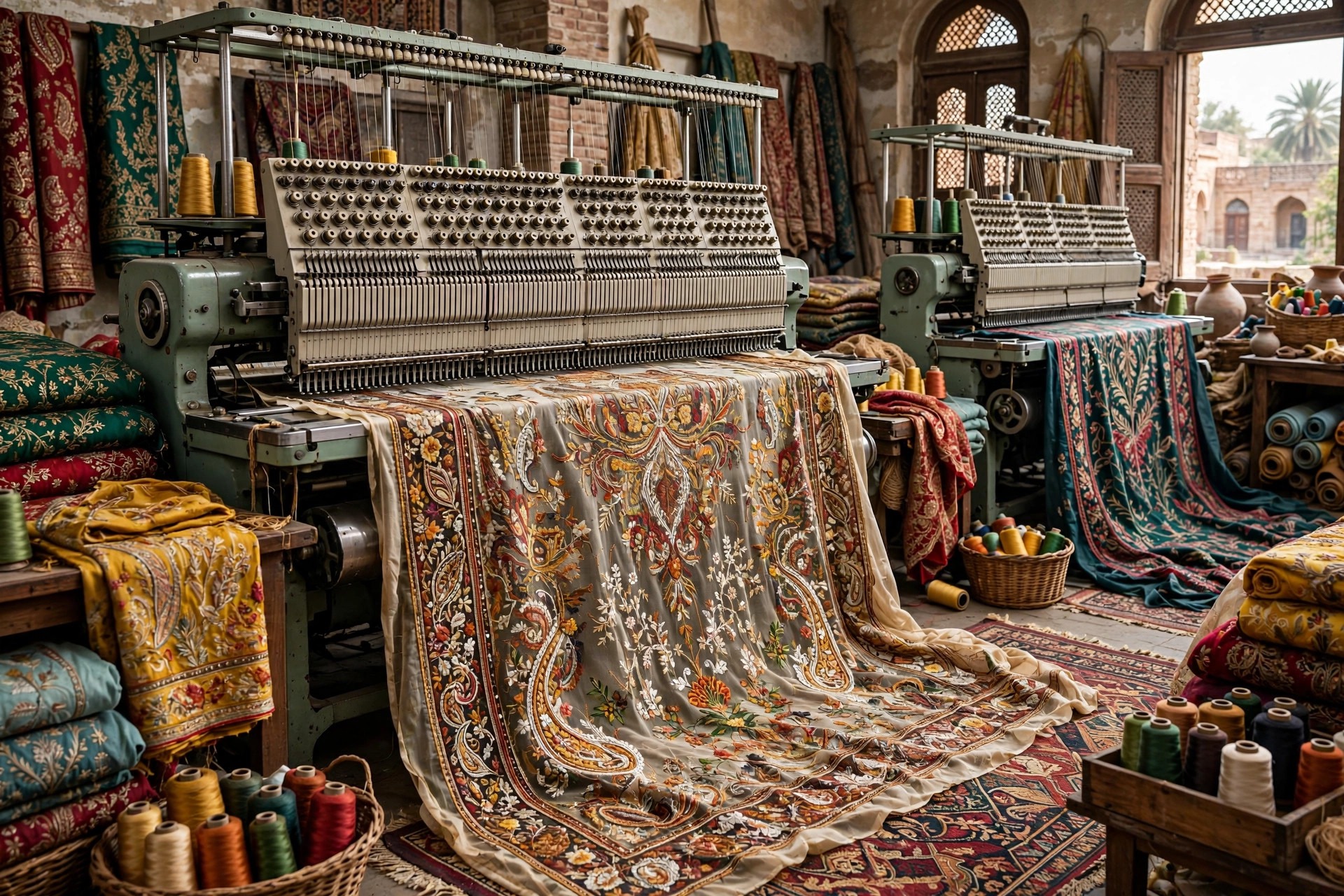
A Karachi embroidered-fabric and ready-to-wear maker incorporated in 1990, renamed Image Pakistan in 2021, and admitted to the KSE-100 in the October 2026 recomposition.
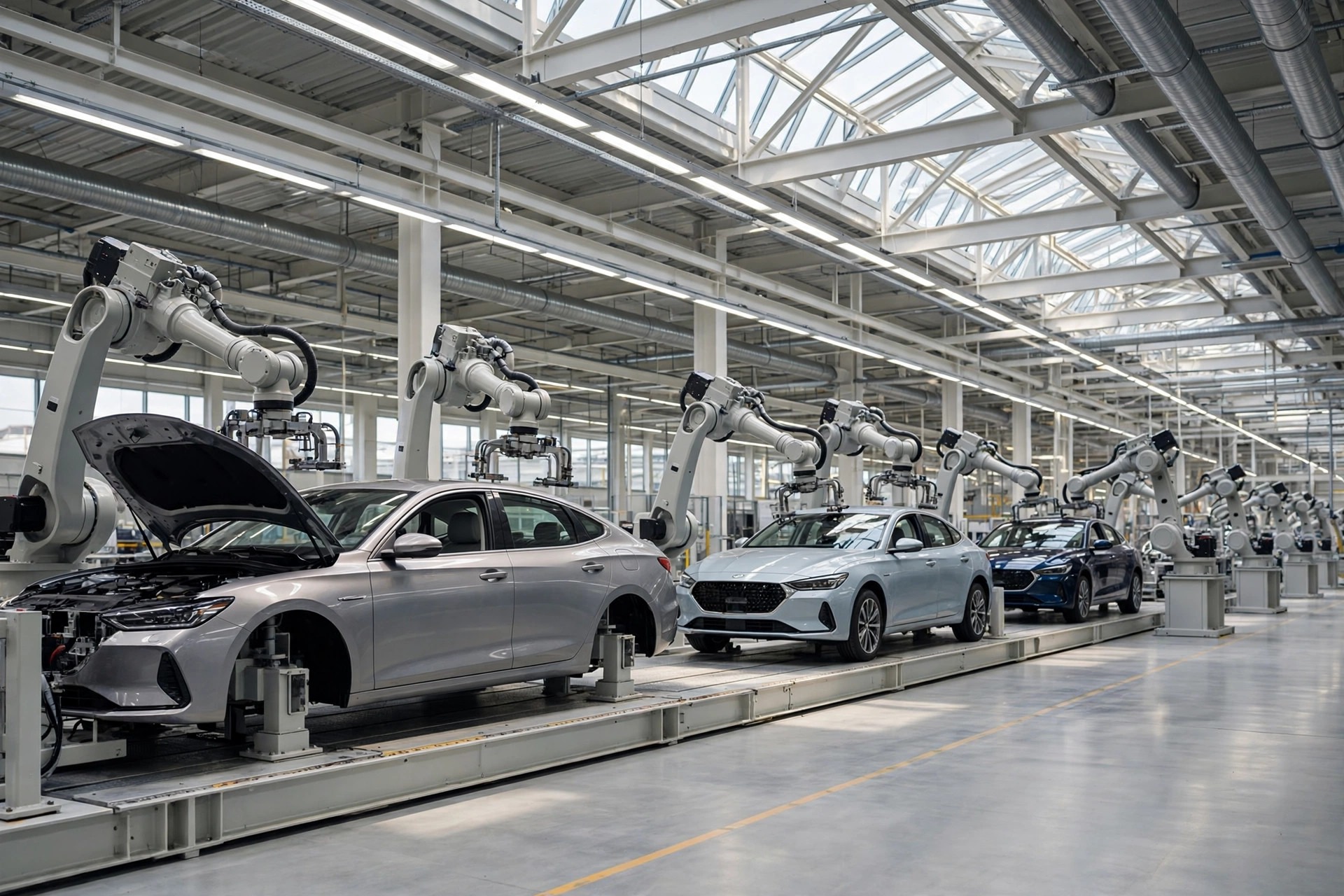
A 1989 joint venture between the House of Habib and Toyota that began production in 1993 and turned the Corolla into Pakistan's defining family car.
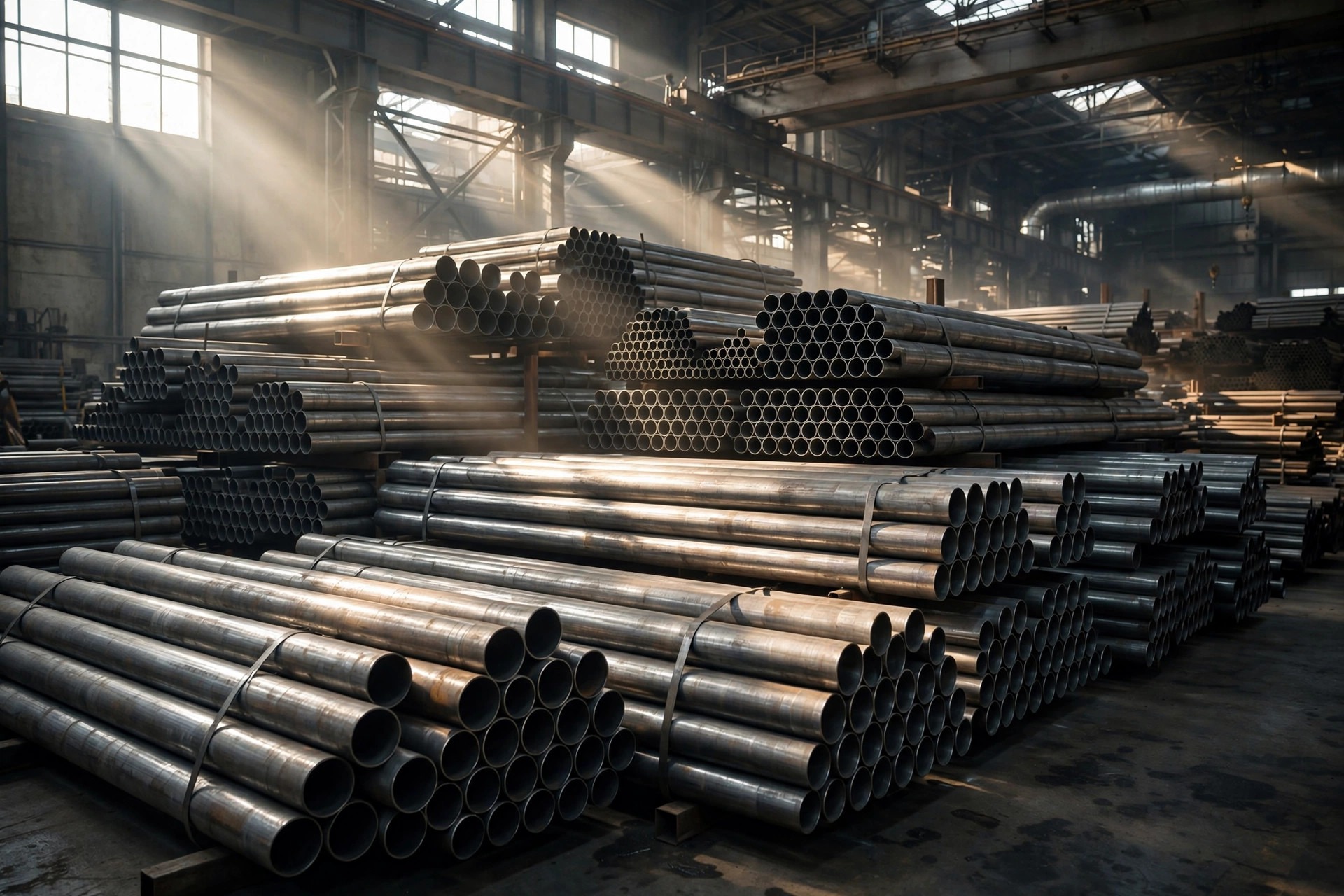
Incorporated in 1948 as a Chinoy family trading company, IIL grew into Pakistan's largest pipes and tubes maker and the parent of International Steels.
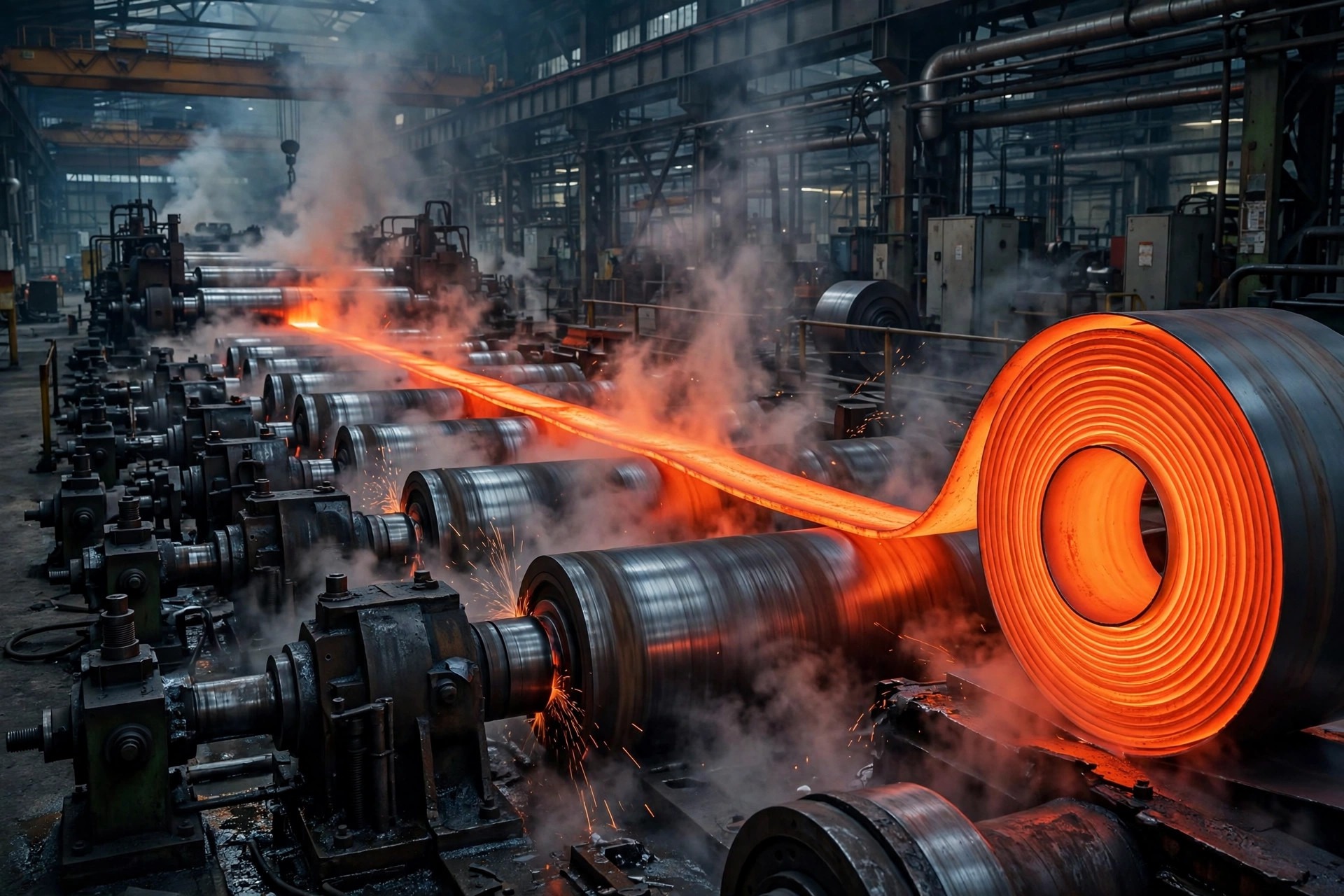
Created in 2007 by International Industries with Sumitomo and JFE Steel, ISL commissioned its Karachi flat-steel complex in 2010 and expanded to a million-tonne scale.
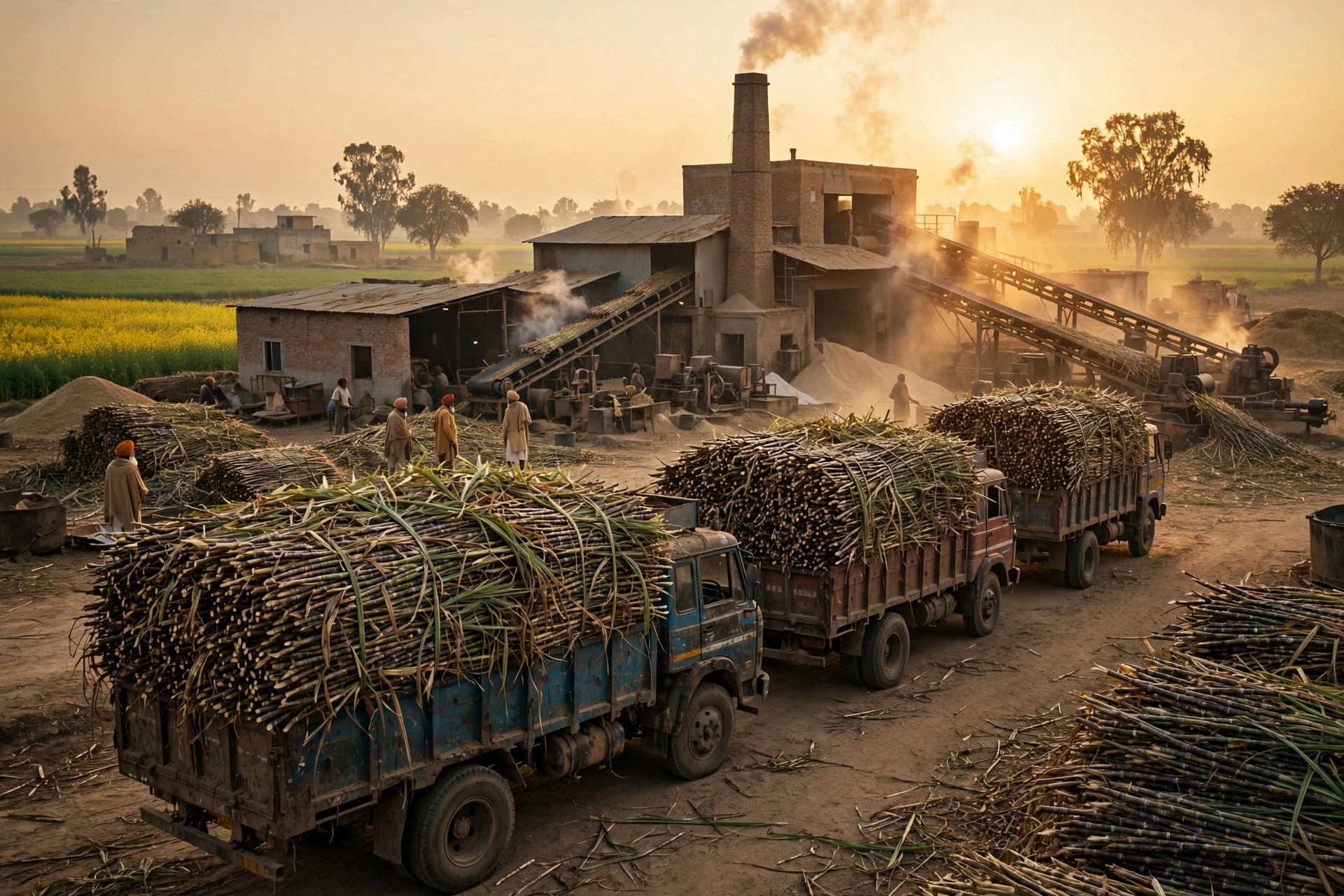
Founded by Jahangir Khan Tareen and incorporated in 1990, JDW grew from one Rahim Yar Khan mill into a three-unit sugar group with bagasse power and corporate farms.
Incorporated in 1961 as Valika Cement, nationalised and renamed Javedan, the company ended cement making in 2010 and became the developer of Karachi's Naya Nazimabad.
Built by WAPDA, sold to a British utility in 1996 and listed in 2005 — the Kot Addu plant's story is Pakistan's power-sector story in miniature, contract and all.
Formed in 1913 to light a small port town, nationalised in 1952 and privatised in 2005 — the utility that generates, transmits and delivers Karachi's electricity.
A Romanian-built state line from 1984, privatised in 1992 and rebuilt line by line — how a single-plant cement maker from Kohat earned a KSE-100 seat.
Founded by the Saigols in 1953 with 25,000 spindles, now a vertically integrated home-textiles exporter — and the parent of Maple Leaf Cement.
Born as a Khewra soda ash works in 1944, known for 75 years as ICI Pakistan, bought by Yunus Brothers in 2012 and renamed in 2022 — a diversified chemicals house.
One plant at Port Qasim makes all of Pakistan's PTA, the chemical inside polyester and plastic bottles — a business built by ICI, renamed by Lotte, and still singular.
Founded in 1993 around a plant at Pezu, Lucky Cement grew from a single northern site into the Yunus Brothers flagship — and one of Pakistan's defining stocks.
A gas field found by Esso in 1957 fed Pakistan's fertiliser plants for decades; the company built on it in 1984 has become one of the market's exploration giants.
Incorporated by the Adamjee Group days before Partition, nationalised in 1974 and the first bank privatised in 1991 — MCB's life tracks Pakistan's own economic history.
Started as a small investment bank in 1997, won Pakistan's first Islamic commercial banking licence in 2002 — and grew into one of the country's largest banks of any kind.
One email now. A clearer investing experience later.