KARACHI: Cnergyico Pk Limited — CNERGY on the Pakistan Stock Exchange — is the company Pakistanis knew for a decade as Byco, and before that as Bosicor. From its refinery complex at Hub, on the Balochistan coast west of Karachi, it operates what it describes as the country's largest oil refining capacity, a network of several hundred petrol pumps, and an asset no rival possesses: a Single Point Mooring, an offshore crude terminal anchored in the open Arabian Sea, through which very large tankers discharge crude directly to the refinery. The business was built from 1995 by a father-and-son team, the Abbasi family, who started with a small second-hand refinery and kept adding — a second, far bigger refinery, the mooring, storage, a retail network — until the company stood among the pillars of Pakistan's fuel supply. Its three names mark three eras of that ambition, and its story explains much about how refining in Pakistan actually works.
What Cnergyico does
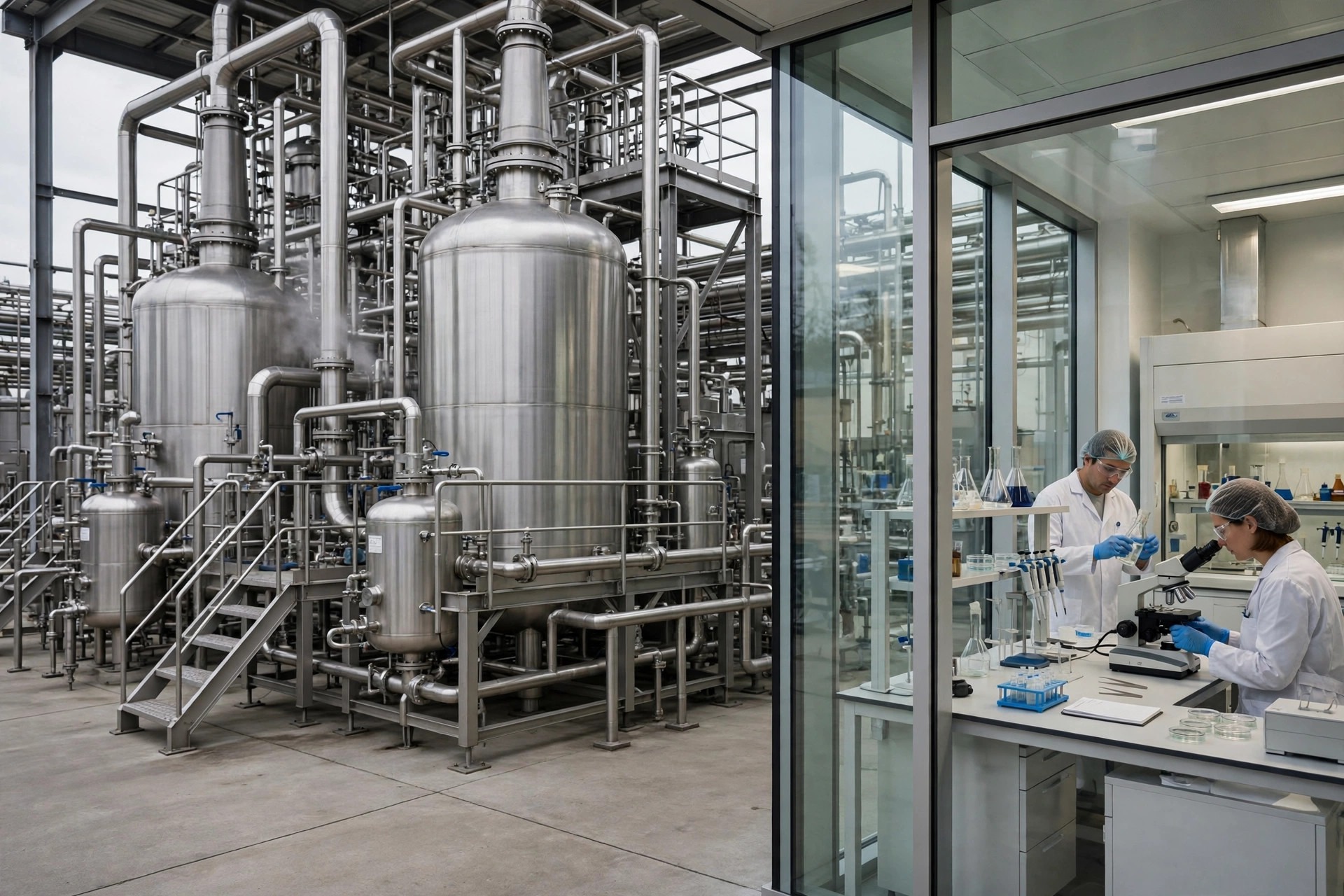
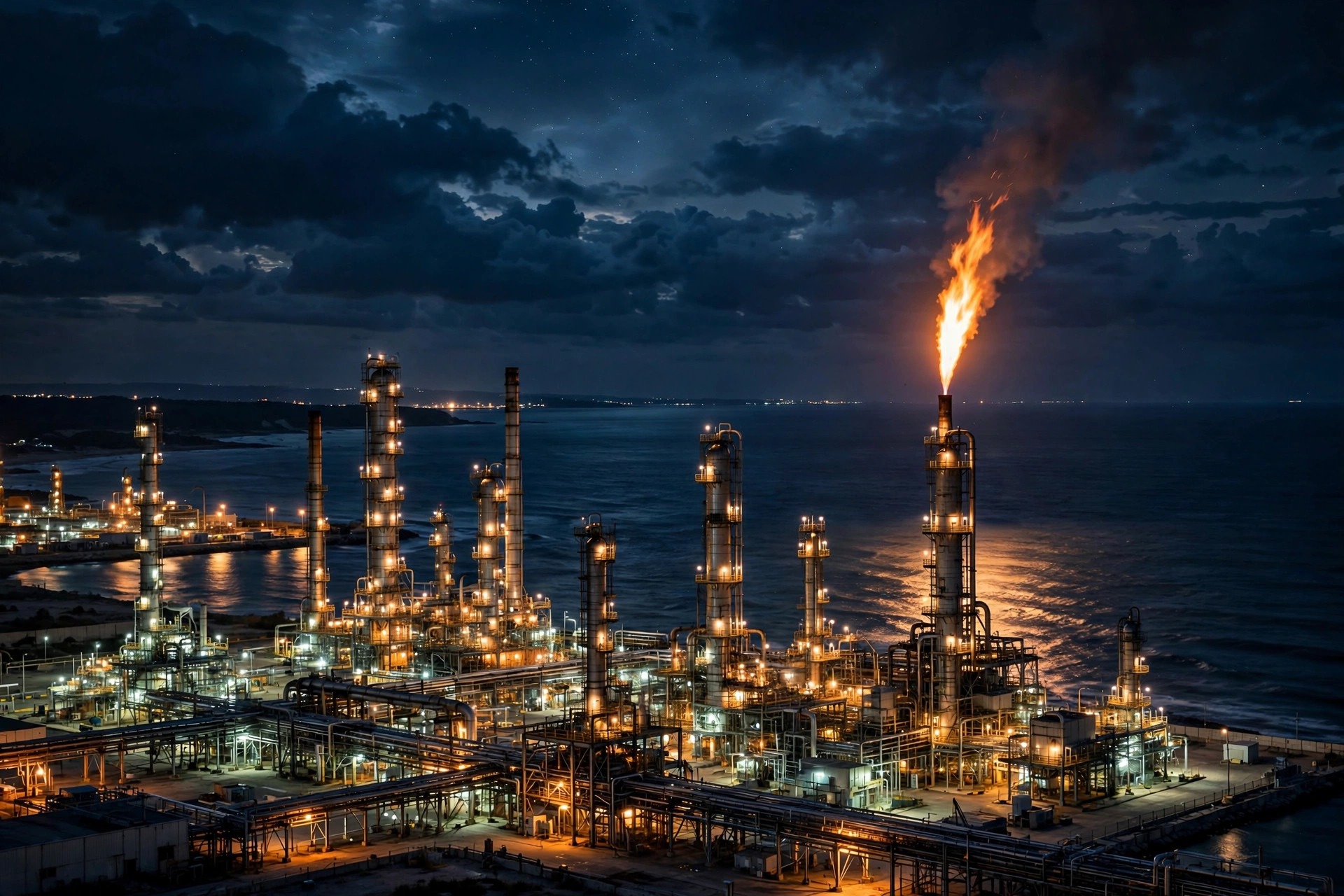
Cnergyico is a vertically integrated oil company. Its core is refining: at Mouza Kund, Hub, it runs two refining complexes — Oil Refining Complex-I, the original plant, and Oil Refining Complex-II, the much larger facility commissioned in 2015 with a design capacity of 120,000 barrels per day, which the company identifies as Pakistan's single largest refinery. Together the complexes give the group the largest installed refining capacity in the country, processing crude oil into petrol (motor gasoline), diesel, furnace oil, LPG, naphtha and other products. Around the refineries sit the infrastructure assets: large crude and product storage — the company built what it described as Pakistan's largest storage tanks in 2009 — pipelines, and the Single Point Mooring commissioned in 2012, which lets laden tankers too large for congested ports discharge offshore through a subsea pipeline, saving demurrage and port delays.
Downstream, the company markets fuels through its own retail network of more than 400 petrol pumps across Pakistan, selling under its brand to motorists, transporters and industrial buyers, and supplies products wholesale to other marketers and large consumers. The combination — import terminal, refinery, storage and pumps — makes Cnergyico one of the few Pakistani energy companies present at every step from tanker to tank, a structure it shares conceptually with the state marketer but built privately and from a refining base. The listed refining sector around it is surveyed in PSX refinery stocks.
Bosicor: a small refinery and a big idea (1995–2010)
The company was formed by Parvez Abbasi and his son Amir Abbassciy — the father a veteran of Pakistan's oil industry, the son the enterprise's driving executive — and incorporated on 9 January 1995 as Bosicor Pakistan Limited, receiving its certificate of commencement of business that March. The founding idea, as the company tells it, was import substitution: Pakistan refined only part of the fuel it consumed, and a new private refinery could capture margin then flowing to foreign refiners. Bosicor began construction of its first refinery (ORC-I) in 2001, listed on the Karachi Stock Exchange in 2002, and began commercial production on 1 July 2004, with initial capacity of about 18,000 barrels per day, later raised to around 36,000.
Growth then came in every direction at once. The first Byco-branded petrol pump opened near Sukkur in June 2007, taking the company into retail. Construction of the 120,000-barrel-per-day ORC-II began in 2008 — a bet several times the size of the original plant. Storage capacity was expanded to the country's largest in 2009. And in early 2010 the company renamed itself Byco Petroleum Pakistan Limited, retiring the Bosicor name derived from its original project partnerships. The sequencing is worth noticing: Byco committed to its giant refinery and its offshore terminal in the same years Pakistan's older refiners were debating upgrades — an aggressive posture that defined both the company's rise and its financial strains.
The mooring, the big refinery, and the Cnergyico name
Work on the Single Point Mooring began in 2010 and the terminal was deployed in the deep sea off the Balochistan coast in 2012. In December 2012 the tanker MT Arietis delivered the first crude cargo through it — about 70,000 tonnes — directly into Byco's system. The SPM changed the company's logistics permanently: crude could arrive in very large carriers at lower freight cost per barrel, without queuing for berths at Karachi's oil piers, and the terminal has since also served the wider market's crude handling. ORC-II, the larger refinery, was launched in 2015, fulfilling what the company calls its founder's two-decade ambition of a world-scale plant at Hub.
In December 2021 the company renamed itself again, from Byco Petroleum to Cnergyico Pk Limited — a coined word the company explains as derived from "Chemical Energy Integrated Company". Management framed the change as marking a shift from a pure oil refiner towards a broader energy and petrochemicals business: modernising refining, growing retail, and investing in petrochemical capacity and new energy areas. The years around the rename also brought the industry's familiar pressures — volatile refining margins, weak furnace-oil demand as power generation shifted fuels, rupee depreciation inflating dollar-priced crude inventories and borrowings, and periods in which the plant's utilisation and the company's finances were visibly strained, including publicly discussed proposals to restructure and to bring in partners for parts of the business. In late 2021 the board also authorised negotiations to acquire a majority stake in Puma Energy Pakistan's retail business — an illustration of the retail ambitions attached to its refining base, whatever the fate of individual deals.
How a refiner-marketer makes money
Refining profit is a margin, not a price. The refiner buys crude at international prices, processes it, and sells products at prices that — for the regulated transport fuels in Pakistan — are set by government formula linked to international product prices and the exchange rate. The difference between the value of the product slate and the cost of crude is the gross refining margin, from which energy, chemicals, labour, maintenance and finance costs must be paid. The margin widens and narrows with global markets: the same plant can earn handsomely when product "cracks" are strong and lose money when they collapse or when it is forced to produce low-value furnace oil for which demand has shrunk. Older, simpler refineries like Pakistan's — Cnergyico's included — produce a heavier slate, with more furnace oil and less of the high-value petrol and diesel that complex refineries maximise; the company's Upgrade-I project, whose groundbreaking it held in January 2021, is designed to attack exactly that weakness by installing a fluidised catalytic cracking unit and diesel hydro-desulphurising capacity to convert furnace oil into petrol and diesel and to produce lower-sulphur, Euro-V-compliant fuels.
The other businesses wrap steadier earnings around that volatile core. Marketing margins on petrol and diesel sold through its pumps and wholesale channels are regulated per litre and turn on volume. Infrastructure income — storage and the mooring — earns fees with less commodity exposure. Inventory effects can swamp everything in a single quarter: because crude and products are dollar-priced, a falling rupee inflates the rupee value of stocks (and of dollar debts), and sharp oil-price falls can force inventory losses across the whole sector. Finally, like its refining peers, the company lives inside the energy sector's circular-debt ecosystem: fuel supplied into the power chain has not always been paid for on time, and utilisation decisions at Hub are routinely shaped by which products the market can actually absorb and pay for.
Cnergyico among Pakistan's refiners
The listed refining map helps place it. Attock Refinery, the country's oldest, processes northern crude near Rawalpindi; National Refinery and Pakistan Refinery work from Karachi on largely imported and local crude; PARCO, unlisted, runs the large mid-country plant. Cnergyico is the newest and, by installed capacity, the largest of the group — and the only one built entirely in the private, post-liberalisation era, with an entrepreneur family's name attached to every setback and success. Its KSE-100 presence, under the selection rules explained in how the KSE-100 is calculated, gives index followers their principal listed exposure to refining at scale.
What investors typically watch
The CNERGY dashboard is operational. Refinery throughput and utilisation — how many barrels the Hub complexes actually process against capacity — lead the list, followed by gross refining margins implied by global product prices. Furnace-oil uplift: whether the power sector and export channels are absorbing the plant's heavy output, a recurring national problem. The upgrade project's progress — financing, construction and eventual commissioning of the FCC and desulphurisation units — matters because it changes the product slate itself. Retail network growth and volumes show the steadier downstream business compounding. And the balance sheet — debt, exchange losses and working capital — has historically decided how much of any good margin year survives to the bottom line. Policy is the backdrop to all of it: Pakistan's long-debated refining policy and its incentives for upgrades shape every refiner's investment case.
This profile is educational content, not financial advice. Cnergyico's three names tell its story in shorthand — Bosicor the project, Byco the brand, Cnergyico the ambition to be an integrated energy company — and the general explainers at Aktzien Learn will help readers follow the refining margins and policy debates that decide whether the ambition is met.
A word, finally, on the physical place at the centre of this company, because Hub is not incidental. The coastal strip west of Karachi, where Balochistan begins, became Pakistan's heavy-industry frontier for reasons of geography: deep water close offshore for terminals like the SPM, available land for tank farms and process plants, and road links to Karachi's demand and, via the RCD highway, to the whole country. Cnergyico's neighbours in that corridor — power plants, steel, chemicals and the Gadani ship-breaking yards down the coast — form an industrial ecosystem in which the refinery is the anchor tenant. Working there brings real operating texture that Karachi-headquartered rivals do not face in the same way: a Balochistan workforce and security environment, water and infrastructure the company must substantially provide itself, and the logistics of moving products from a coastal plant into upcountry markets dominated by competitors sitting closer to demand. The SPM was, in part, the answer to that geography — if your refinery sits on an open coast, let the ocean do the work that ports do for others. Understanding Cnergyico means holding both halves of that picture together: the structural advantages of scale, integration and the mooring, and the structural frictions of age, product slate and place that its upgrade programme is meant to retire.
The retail network deserves its own note, because it is the part of Cnergyico the public actually meets. Building several hundred petrol pumps under its own brand — first as Byco, now carrying the Cnergyico identity — put the company into one of Pakistan's most competitive service businesses, contesting forecourts with the state marketer, the multinationals' successors and regional oil marketing companies. Pumps earn the regulated marketing margin, but their strategic value is larger than the margin: they guarantee an outlet for the refinery's petrol and diesel, gather market intelligence litre by litre, and give an industrial company a consumer face. They also carry the industry's burdens — price changes announced by the government twice a month, supply obligations in shortages, and the operating leverage of sites whose volumes swing with harvests, holidays and highway traffic. When judging the group, analysts separate these steadier downstream earnings from the refinery's swings; the tension between the two — refining ambition funded partly by retail cash flows — has shaped the company's financing choices throughout its life.
Few Pakistani companies have renamed themselves twice in a generation; fewer still have had each name correspond to a genuinely different scale of enterprise, which is why the Bosicor–Byco–Cnergyico sequence is worth remembering rather than merely noting.
Key takeaway: Cnergyico — Bosicor in 1995, Byco from 2010, Cnergyico from 2021 — built Pakistan's largest refining complex at Hub, its only Single Point Mooring offshore terminal and a national pump network; its profits turn on refining margins, plant utilisation and the long-planned upgrade from furnace oil to cleaner, higher-value fuels.