KARACHI: Open a bathroom cabinet almost anywhere in Pakistan and you will likely find the handiwork of Colgate-Palmolive (Pakistan) Limited — COLG on the Pakistan Stock Exchange. The red tube of Colgate toothpaste, a Palmolive soap, a bottle of Lemon Max dishwashing liquid, a packet of Brite or Bonus detergent: the company manufactures and sells a portfolio of everyday brands so familiar that most consumers never ask who makes them. The answer is a listed Pakistani company with an unusual dual parentage. It began in 1977 as National Detergents, a venture of Karachi's Lakhani family, making washing powder at Kotri in Sindh. In 1990 the American multinational Colgate-Palmolive became a shareholder and lent the company its name. Ever since, COLG has been a hybrid: a local industrial group running the business, a global giant's brands and standards inside it, and a famously small free float of shares trading at famously high prices on the PSX.
What the company makes and sells
The company's own description is plain: it manufactures and sells detergents, personal care and related products. In practice its shelves divide into a few big families. Oral care is the flagship — Colgate toothpastes in their many variants and Colgate toothbrushes, sold against a small set of multinational and local rivals in a category where brand trust and dentist-led marketing matter enormously. Personal care covers Palmolive soaps and related toiletries. Home and fabric care carries the company's original detergent heritage: Brite, launched for machine washing, Bonus, the mass-market detergent powder introduced in the early 1990s that became one of the country's best-known laundry brands, plus brands such as Express and Softlan in fabric care, and Lemon Max in dishwashing — a fixture of Pakistani kitchens in its distinctive bottle.
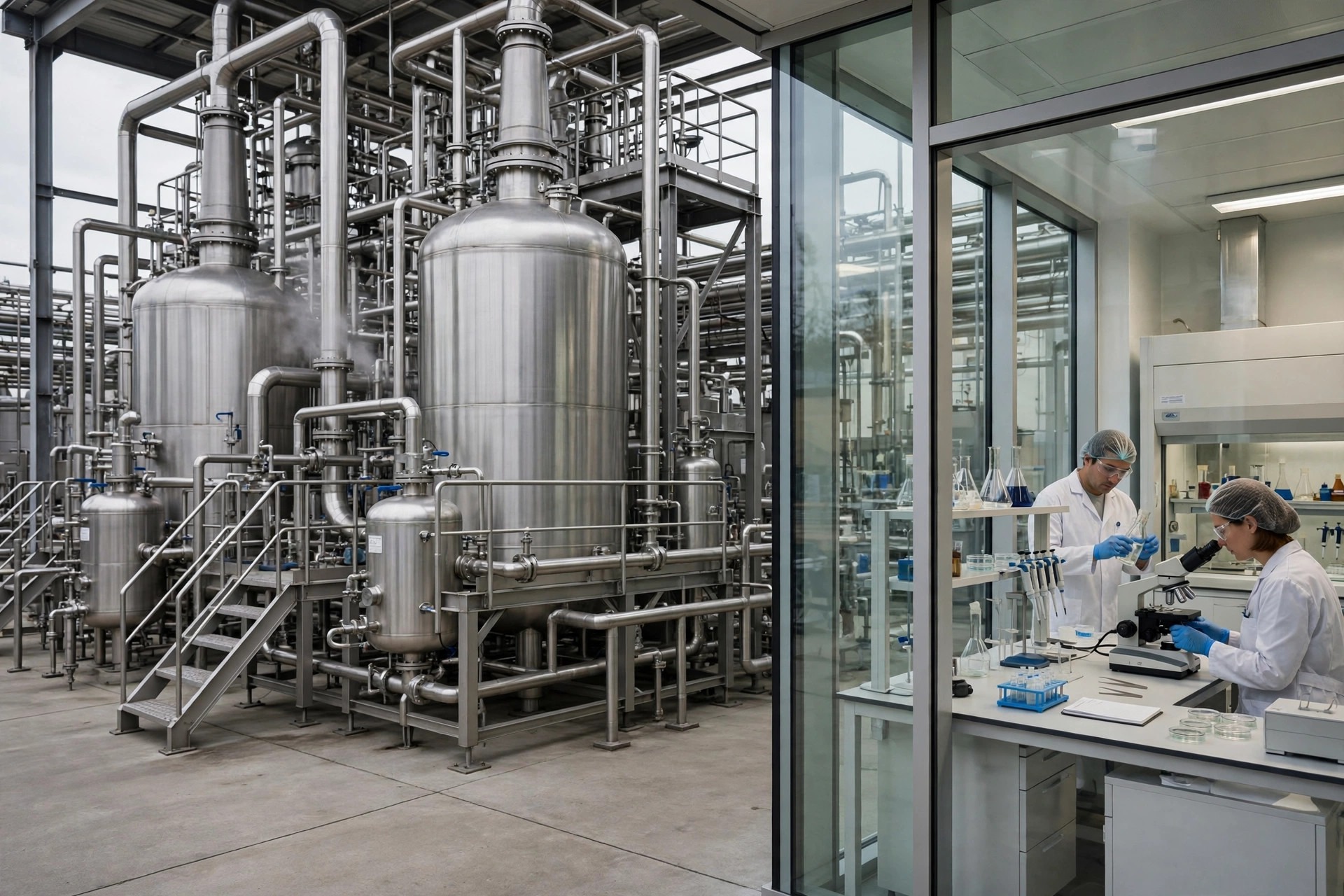
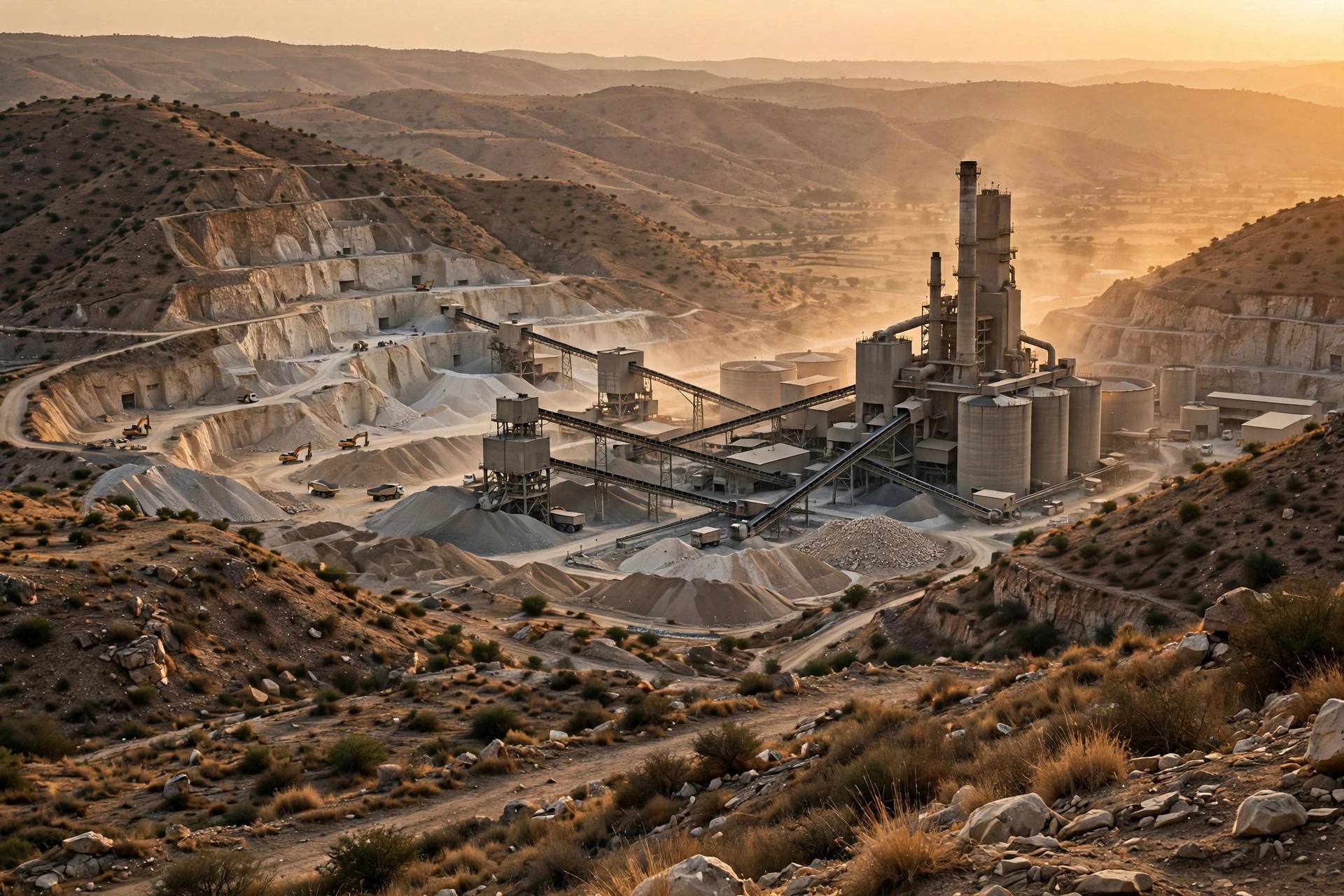
Manufacturing is centred on plants at Kotri in Sindh — the original site, expanded from detergent powder into toothpaste and personal products — and Lahore, serving the northern market. The registered office sits in Lakson Square in Karachi, a detail that gives away the local parentage: Lakson is the Lakhani family's group. Distribution is the invisible half of the business: like every consumer-goods major, COLG's products must reach hundreds of thousands of shops, from Karachi supermarkets to village kiryana stores, through a wholesaler and distributor network serviced by one of the industry's large sales forces. In the landscape of food and personal care stocks on the PSX, COLG is the purest listed play on the Pakistani bathroom and laundry shelf.
National Detergents: the Lakhani beginnings (1977–1990)
The company was incorporated on 5 December 1977 as National Detergents Limited, founded by the Lakhani family — the Karachi business family behind what became the Lakson Group, with interests spanning tobacco, paper, insurance, media and consumer goods. The first plant was built at Kotri with machinery from the Italian firm Ballestra, financed partly by a foreign-currency loan, and began commercial production in 1981. Its first famous product, Brite Machine Wash detergent, launched in December 1981, aimed at the households then beginning to adopt washing machines and branded powders; Express powder followed in 1983. In 1984 the young company offered shares to the public — a modest issue at the Rs 10 par value, with a portion reserved for the National Investment Trust — and listed on the stock exchange, beginning its four-decade life as a public company while still a single-category detergent maker.
The bridge to the multinational era was a licence. In 1985 National Detergents obtained the licence to produce Colgate-Palmolive products in Pakistan, and the relationship deepened step by step: Colgate dishwashing and Palmolive soap lines followed, a personal products division making toilet soap and toothpaste was set up, and in 1988 the company launched Colgate toothpaste made in Pakistan, with its toothpaste plant reaching full production that July. By the end of the decade the Pakistani licensee was manufacturing the American group's core brands under its own roof — the natural prelude to the group taking an ownership stake.
1990: the name changes, the partnership sets
On 28 March 1990 the company entered into a Participation Agreement with Colgate-Palmolive Company of the United States, which acquired an equity stake — reported at the time as around 30 per cent — and National Detergents was renamed Colgate-Palmolive (Pakistan) Limited. The structure that resulted has endured: Colgate-Palmolive as the brand-owning multinational shareholder, the Lakhani family and Lakson interests as the other major block, with family members in the company's leadership — Iqbal Ali Lakhani has chaired it and Zulfiqar Ali Lakhani has served as chief executive — and a small remainder in public hands; the PSX records the free float at only about a tenth of the shares. That tiny float is a defining feature of COLG as a stock: the listed price is set by trading in a small slice of a company most of which never trades.
Under the partnership, the portfolio broadened and the business compounded. Bonus detergent, launched in 1992 for middle-income households, grew into one of Pakistan's leading laundry brands; the oral-care range extended into specialised toothpastes and brushes as incomes rose; home-care brands entrenched themselves in dishwashing and surface care. The company crossed successive sales milestones through the 1990s and 2000s in step with Pakistan's urban consumer economy, investing in plant extensions at Kotri and Lahore and in the advertising and distribution muscle that consumer categories demand. It has not been entirely without friction — in 2019, for instance, the Competition Commission of Pakistan fined the company Rs 10 million over a marketing campaign it found deceptive, a reminder that even the most polished consumer franchises operate under regulatory scrutiny of their claims.
How a consumer-goods company makes money
The model is the classic branded-goods engine. The company buys raw and packing materials — a significant portion imported and therefore dollar-linked, as its own annual reports routinely note — converts them at Kotri and Lahore, and sells finished brands to distributors at prices that must leave room for trade margins, advertising and profit. What the consumer pays for is mostly not chemistry but brand: the assurance that the toothpaste tastes right and the detergent cleans, built over decades of advertising, shelf presence and product consistency. That brand equity is what allows pricing power — the ability to pass through cost inflation in small, frequent price and pack-size adjustments — and it is why gross margins in such businesses are structurally higher than in commodity manufacturing.
The costs that matter most are threefold. Raw-material and currency costs: when the rupee falls, imported inputs squeeze margins until prices catch up — the company's reports in sharp-devaluation years say so explicitly. Advertising and promotion: media spending and in-store promotion are not discretionary decoration but the maintenance cost of the brand asset itself. Distribution: a national sales and logistics machine whose cost is justified only by volume and reach. The financial personality that results is prized by long-term holders: consumer staples demand is defensive — people brush and wash in recessions too — cash generation is strong, and capital needs are modest beside heavy industry. The risks are equally characteristic: downtrading to cheaper or informal-sector products when household budgets are squeezed, input-cost shocks, and the occasional regulatory or reputational episode.
COLG among the multinationals, and what investors watch
Pakistan's listed consumer sector contains several multinational subsidiaries built on the same template — a global parent's brands, a local listing, a small float — and COLG sits alongside names such as Nestlé Pakistan in food and Unilever Pakistan Foods in the kitchen. What distinguishes COLG is focus: one parent, three adjacent categories, and no food exposure. Its KSE-100 membership follows the size reached by compounding a high share price on a full share count — the arithmetic explained in market capitalisation explained — even though day-to-day trading in the stock is thin because so few shares are available.
Followers of the company typically watch volume growth versus price growth in its results — whether sales are rising because Pakistanis buy more or merely pay more; gross margin through currency and commodity cycles; category share signals in toothpaste and detergents, where a handful of rivals contest every point; advertising intensity as a sign of brand investment; and dividend payout, historically the main channel through which the company's strong cash generation reaches the small public float. The parent's global strategy matters too: decisions taken in New York about brands, categories and emerging-market priorities eventually reach Kotri's production lines.
This profile is educational content, not financial advice. Colgate-Palmolive Pakistan is a case study in how multinational brands actually localise: not by parachuting in, but by licensing to, then partnering with, a local industrial family that built the factories and still runs them nearly fifty years later. Readers can build the surrounding knowledge — consumer stocks, dividends, index maths — at Aktzien Learn.
The small-float paradox on the PSX
COLG also offers a neat lesson in how stock markets price scarcity. Because only about a tenth of its shares are in public hands, the traded supply is tiny relative to the company's size, and its shares have historically changed hands at prices that place them among the most expensive single shares on the exchange in rupee terms. Nothing about that is a judgement of value: a share price is a per-unit figure, and what matters to an owner is the whole company's worth — shares outstanding multiplied by price — together with the earnings and dividends behind it. But scarcity has practical consequences. Thin trading means prices can move sharply on small orders, bid–offer spreads are wide, and index funds and institutions that might want the exposure cannot always build it. The company has periodically addressed the unit price mechanically through bonus issues, which multiply the shares in issue without changing any holder's proportion — the corporate equivalent of cutting a cake into more slices. For the small shareholder, the practical COLG experience across the decades has been less about trading excitement than about steady dividend cheques from a company whose products they themselves buy every week — the archetype, in Pakistan, of the buy-and-forget consumer stock, with all the concentration risk that holding any single name implies.
There is a final, everyday sense in which this company touches Pakistani life more intimately than most listings: oral health itself. Through its dentists' programmes, school initiatives and decades of advertising built around brushing habits, the Colgate name helped normalise twice-daily toothbrushing and branded toothpaste in households that had used traditional powders and miswak within living memory. Business historians count such category creation — building the habit, not merely supplying it — among the deepest moats a consumer company can dig, and it is one reason the brands in this portfolio have survived changes of owner, name and fashion since a Kotri detergent plant first lit its boilers in 1981.
The Lakson dimension of the company is the other half of its governance story. The Lakhani family's group — spanning cigarettes, paper and board, insurance, media and financial services — is one of Karachi's enduring business houses, and Colgate-Palmolive Pakistan is its most internationally connected company: the one where a global partner's audit standards, brand rules and reporting discipline meet family management most directly. That meeting has generally been presented by both sides as the formula's strength — multinational systems, local knowledge, aligned long-term ownership — and the company's multi-decade record of uninterrupted operation and dividend payment is the evidence usually offered for it. For outside shareholders, the corollary is that the big strategic questions — how much to invest, how much to distribute, which categories to enter — are settled between two large, permanent holders rather than in the market for corporate control. Minority investors are, in effect, invited to ride along on terms those holders set, which many have happily done for decades, and which every prospective holder should understand before joining them.
Key takeaway: COLG began as the Lakhani family's National Detergents in 1977, licensed Colgate-Palmolive brands from 1985 and took the multinational's name and shareholding in 1990 — today it is the listed maker behind Pakistan's Colgate toothpaste, Palmolive soap, Lemon Max, Brite and Bonus.