KARACHI: For most of Pakistan's history, urea meant two names: Fauji and Engro. Fatima Fertilizer — FATIMA on the Pakistan Stock Exchange — is the company that broke that duopoly's spell. Incorporated in December 2003 as a joint venture between the Fatima Group and Arif Habib Corporation, it built a new plant at Sadiqabad, bet on fertilizer types its rivals treated as side lines, picked up two established businesses along the way — including the Sheikhupura plant that once belonged to Dawood Hercules — and grew into a three-plant producer whose Sarsabz brand competes bag for bag in the dealer's yard. Its story shows how a determined entrant can still crack one of Pakistan's most protected, gas-dependent industries.
What Fatima makes: more than urea
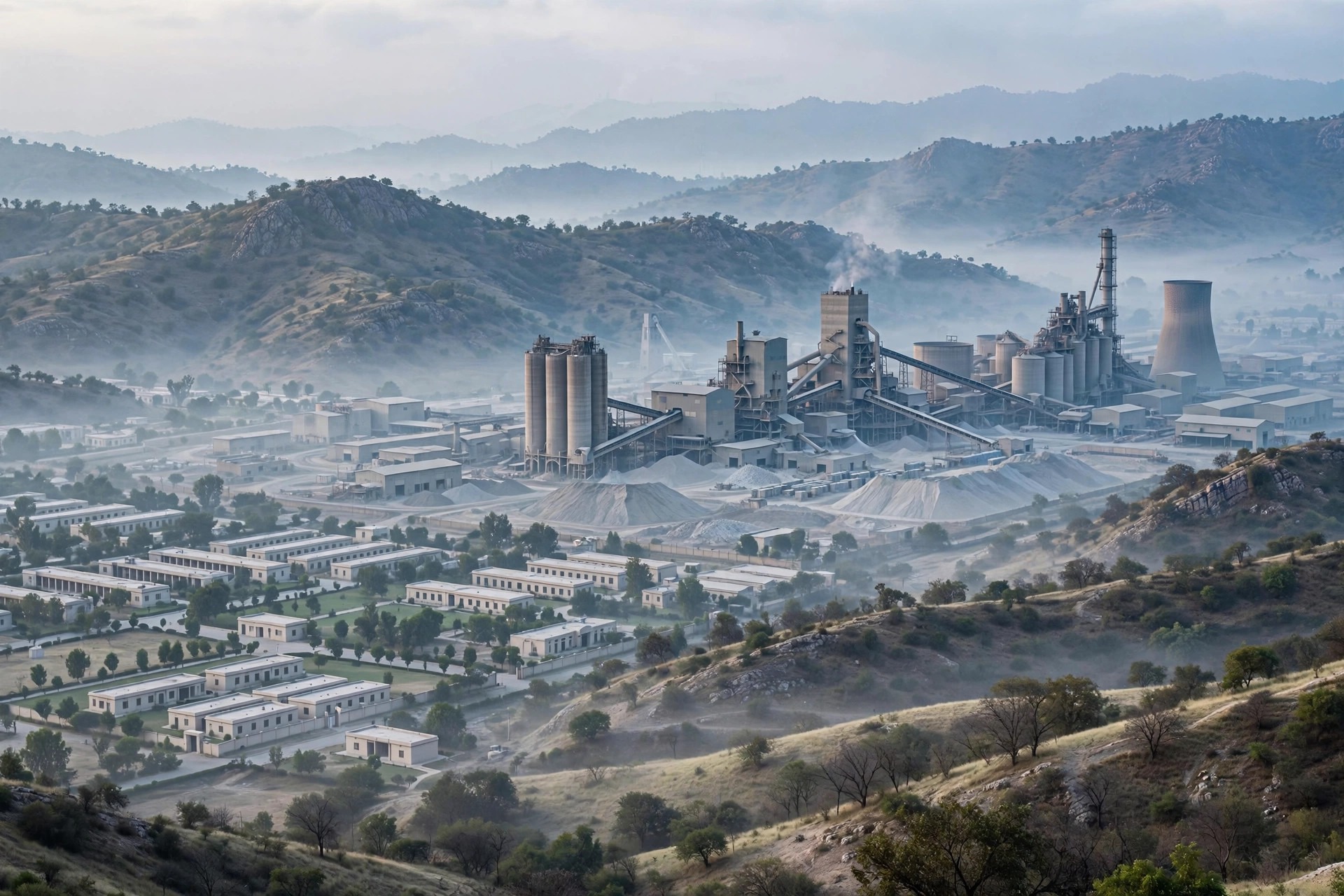
Fatima Fertilizer manufactures, buys, sells, imports and exports fertilizers and chemicals from three sites: Mukhtargarh near Sadiqabad, Khanewal Road in Multan, and Chichoki Mallian near Sheikhupura. Its chemistry starts with two intermediates — ammonia and nitric acid — and ends with three final products that define its strategy. The first is urea, the nitrogen staple every Pakistani fertilizer maker sells. The second is calcium ammonium nitrate (CAN), a nitrogen fertilizer in a different chemical form. The third is nitro phosphate (NP), supplying nitrogen and phosphorus together. That product mix is the company's signature: group material describes Fatima as Pakistan's specialist — indeed its only dedicated — manufacturer of nitrate-based compound fertilizers, developed for the country's alkaline soils, and sold nationally under the Sarsabz brand launched in 2011. Where rivals compete almost entirely on urea, Fatima owns shelf space the others barely contest, and its agronomy pitch — research on hundreds of demonstration plots claiming better yields from balanced nutrition — is built around convincing farmers that the second and third bags matter as much as the first.
A 2003 joint venture and the Sadiqabad plant
The company was incorporated on 24 December 2003, headquartered in Lahore, as a joint venture between two very different houses. The Fatima Group, rooted in southern Punjab's sugar and textile country, brought industrial operating experience and regional depth; Arif Habib Corporation — the listed flagship of one of Karachi's best-known financial groups — brought capital-markets muscle (its chairman, Arif Habib, has also chaired Fatima Fertilizer, with Fawad Ahmed Mukhtar of the Fatima family as chief executive). The founding project was a greenfield fertilizer complex at Mukhtargarh, Sadiqabad — in the same gas-rich, cotton-growing belt as the industry's older giants — which came into production towards the end of the decade and gave the venture its manufacturing base and its original urea, CAN and NP lines. Launching a fertilizer plant in Pakistan is never merely an engineering decision: without an allocation of natural gas at the regulated fertilizer tariff, no plant can compete, so the venture's existence itself testifies to years of work on gas contracting — the company has long drawn feedstock linked to the Mari gas field — before the first bag was ever sold.
Growing by acquisition: Multan and Sheikhupura
Fatima's second act was bought, not built. The Multan plant came with Pakarab Fertilizers, the fertilizer business long associated with the same sponsor family, whose plant on Khanewal Road made CAN and NP — a natural product fit. The relationship deepened over years of association and was formalised at the start of this decade: a scheme approved in December 2022 amalgamated Pakarab Fertilizers into Fatima Fertilizer with effect from 1 July 2022, folding the Multan operation, its brands and its wholly owned packaging subsidiary into the listed company and explicitly aiming at economies of scale across the combined asset base.
The Sheikhupura plant carries an even longer pedigree. It began life as the Dawood Hercules fertilizer factory — the 1968 joint venture between the Dawood Group and Hercules Inc. that was once among Pakistan's largest urea plants. After Dawood Hercules restructured in 2011, the plant sat in its DH Fertilizers subsidiary; in 2015 Dawood Hercules sold that fertilizer business to Fatima Fertilizer, and the Sheikhupura unit — rebranded FatimaFert — joined the group. There is a pleasing symmetry in it: the newest major name in fertilizer ended up owning the industry's oldest private plant, and the seller used the proceeds era to become the holding company profiled in our piece on Engro Holdings. Add the group's purchase of a cement venture — Fatima Cement was made a wholly owned subsidiary in 2022 — and an overseas equity stake in a US fertilizer project held through a Singapore subsidiary, and the picture is of a sponsor family steadily assembling an industrial portfolio around the listed fertilizer core.
How Fatima makes money
The base mechanics match the sector's, as set out in our guide to fertilizer stocks on the PSX: natural gas arrives at a regulated price, part consumed as feedstock and part as fuel; plants convert it through ammonia into finished fertilizer; bags move through a national dealer network at prices that, for urea especially, sit under the government's watchful eye because farm costs are politically charged. Fatima's twist lies in the mix. CAN and NP are speciality products by Pakistani standards — less commoditised than urea, sold on agronomic benefit, and priced with somewhat more freedom — so a larger share of Fatima's tonnage earns speciality margins rather than the thin, heavily scrutinised urea spread. Against that, its urea business shares the industry's eternal exposures: gas curtailment in winter when households take priority, tariff revisions that can compress the spread overnight, imported raw materials for phosphates priced in dollars, and the seasonal heartbeat of Rabi and Kharif demand. Plant reliability matters enormously: with three sites of different vintages — a 1960s-lineage plant at Sheikhupura among them — maintenance, debottlenecking and energy efficiency decide how much of the gas allocation becomes saleable bags.
The entrant's place in the industry
Pakistan's fertilizer sector is an oligopoly of a handful of producers, and Fatima is consistently described as one of its significant players — smaller than the two historic giants, but the clear third force in capability, with a product range neither of them matches in nitrates. Its arrival changed industry behaviour: urea pricing discussions now have a third voice, speciality nutrition has a national champion, and the Sarsabz marketing machine — farmer meetings, demonstration plots, soil-health messaging — pushed rivals to invest in agronomy rather than rely on scarcity. For farming families, the practical effect of a third producer is resilience: more plants, in more places, means fewer local shortages when one site shuts for maintenance.
The Sarsabz idea: selling nutrition, not just nitrogen
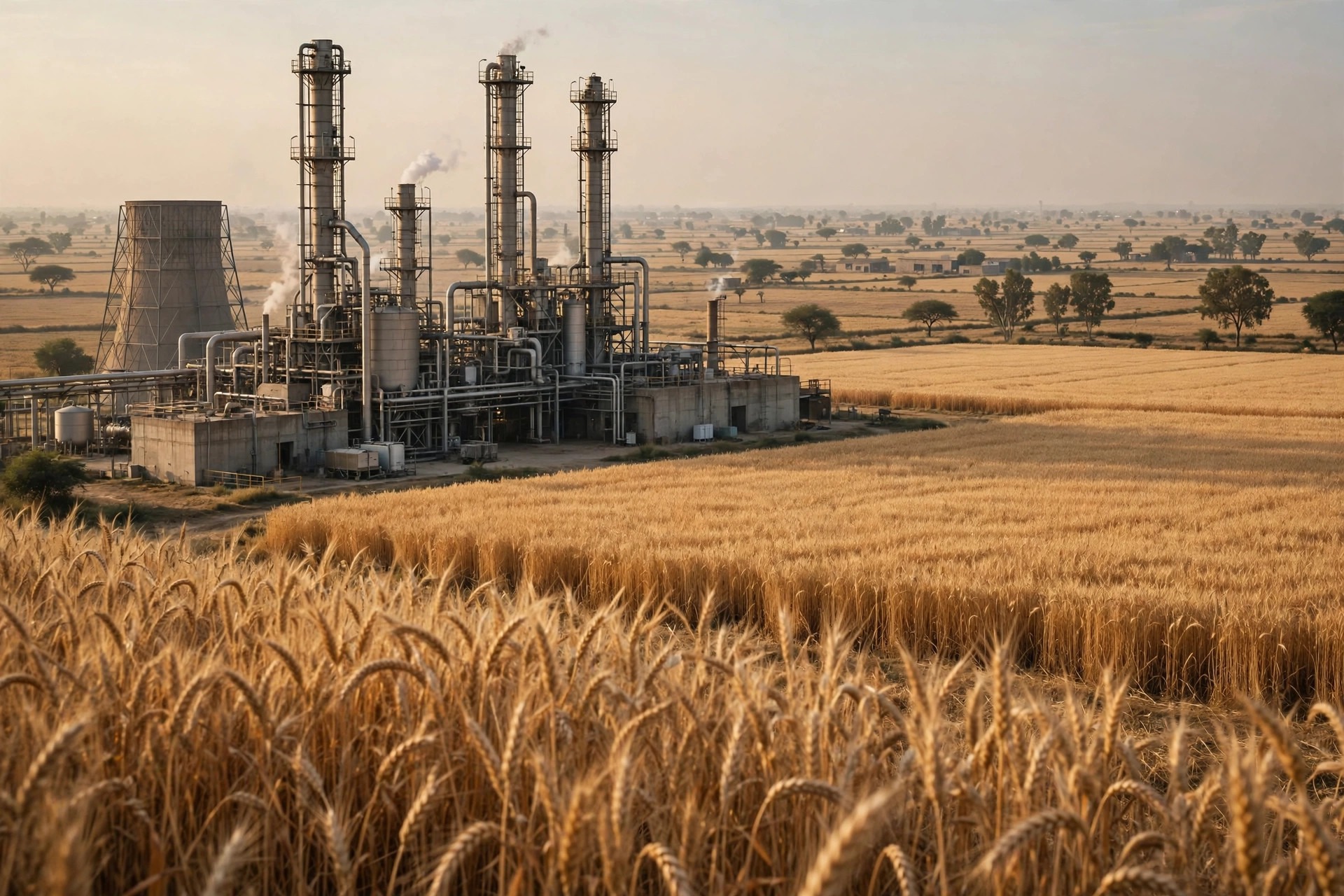
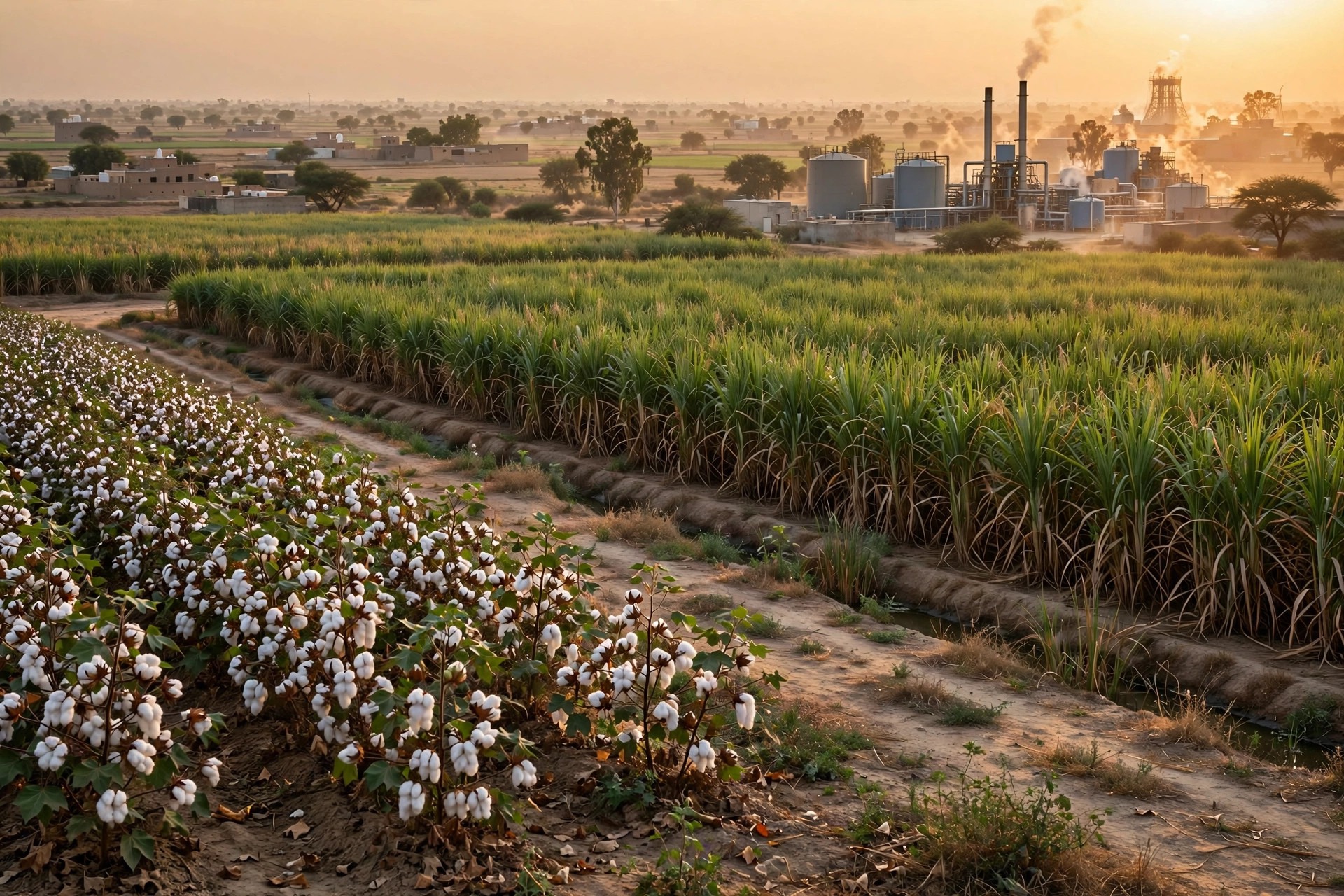
Fatima's marketing deserves a section of its own, because it embodies the company's founding insight. Pakistani soils are widely alkaline and often deficient in phosphorus and micronutrients, yet decades of subsidy and habit pushed farmers towards urea almost exclusively — cheap nitrogen, applied in quantities far beyond what agronomists recommend, with diminishing returns and damaged soil biology. A producer whose range centres on CAN and NP cannot win by shouting about urea prices; it wins by changing what the farmer believes a field needs. Hence the Sarsabz programme launched in 2011: hundreds of demonstration plots run side by side with conventional practice, farmer field days, soil-testing and advisory material arguing for balanced nutrition — the right nutrient, in the right proportion, for alkaline ground. Group material claims demonstration results showing meaningfully higher yields across wheat, cotton, rice and sugarcane from the nitrate-based programme; whether or not any individual farmer replicates them, the strategic effect is real, because every convert to balanced fertilization enlarges the market for the products Fatima uniquely makes at scale in Pakistan.
The same logic explains the portfolio's quiet extensions. A packaging subsidiary inherited with Pakarab secures the humble but critical supply of bags. The cement subsidiary acquired in 2022 and the overseas fertilizer stake held through Singapore are sponsor-level diversification rather than core strategy, but they hint at how the Fatima and Arif Habib shareholders think: the listed fertilizer company as the centre of a slowly widening industrial circle, funded by the cash flows of a business that cracked the hardest allocation in Pakistani industry — gas — and then defended its position with a product the giants had left unguarded.
Geography quietly helps. Three plants spread across the cotton and wheat belts of Punjab place production close to demand and to the Mari-linked gas infrastructure of the south, shortening the haul that eats fertilizer margins alive — bags are heavy, roads are slow, and every kilometre between plant and farm is a cost someone must bear. The spread also gives operational insurance: a turnaround or breakdown at one site does not silence the whole company, and gas sourcing can be managed as a portfolio rather than a single point of failure. Set against the giants' older, larger complexes, Fatima's network is the physical footprint of its strategy — later than Fauji and Engro to every asset it owns, but deliberately positioned in the gaps they left: speciality products, mid-Punjab demand, and plants other owners had finished with.
Finally, there is the question every fertilizer investor eventually asks of every producer: what happens when policy changes the gas price? Fatima's answer, embedded in its design, is diversification of earnings rather than scale in a single product. A producer earning across urea, CAN and NP, with a speciality franchise and imported-product trading around the edges, absorbs a tariff shock differently from a pure urea plant — not painlessly, but with more levers to pull. That resilience, more than any single year's volumes, is the investment story the sponsors set out to build in 2003, and the reason this once-unlikely entrant now sits permanently in the industry's first rank of conversations.
It is worth recording, too, what the company's existence did to the industry's map of Pakistan. The older industry had grown around two poles — the Fauji plants of the south-Punjab and Sindh gas belt, and Engro at Daharki — with production and gas politics to match. Fatima's arrival added a third centre of gravity with plants at Sadiqabad, Multan and Sheikhupura, shifting dealer networks, transport flows and even the geography of fertilizer journalism: shortages, prices and plant shutdowns are now routinely reported as a three-player market. Entrants rarely get credit for the competitive pressure they exert merely by existing; in fertilizer, where scarcity has so often been the story, a third producer's tonnes are felt in every harvest season whether or not a farmer ever buys a Sarsabz bag.
And the farmer, as always, is the final judge. Fertilizer is bought on trust and last season's result, in cash, at sowing time, which is why Fatima's field force and demonstration culture matter commercially as much as its reactors do — a truth the older houses learned in the 1960s and every successful entrant since has had to relearn in its own fields.
What investors typically watch in FATIMA
- Gas availability and tariff — the allocation actually received, winter curtailment, and any revision to fertilizer-sector gas pricing.
- Product mix — the share of CAN and NP in total sales, since speciality volumes carry the differentiated margin.
- Offtake by season — industry dispatch data for urea and for Fatima's speciality lines across Rabi and Kharif.
- Plant performance across three sites — utilisation and turnaround discipline at Sadiqabad, Multan and Sheikhupura.
- Group moves — further amalgamations or acquisitions by the Fatima/Arif Habib sponsors, and the listed company's dividend record as its cash generation matures.
- Policy and pricing politics — urea price scrutiny, subsidy schemes and import decisions that frame the whole sector.
FATIMA's presence in the KSE-100 mirrors its standing as one of the market's substantial industrials — the learning library explains the index arithmetic behind that. This profile is educational content, not financial advice. Its lesson is about entry itself: even in an industry guarded by gas allocations and fifty-year-old incumbents, a 2003 joint venture with a different product idea and an appetite for other people's old plants found room to become a national name.
Key takeaway: Fatima Fertilizer, founded in 2003 by the Fatima Group and Arif Habib Corporation, challenged Pakistan's urea duopoly with nitrate specialities under the Sarsabz brand and grew to three plants by absorbing Pakarab and the old Dawood Hercules factory.