KARACHI: Sugar in Pakistan is never only a business. It is agriculture, politics, food prices and rural employment rolled into one crop — and no listed company embodies that mixture like JDW Sugar Mills Limited, JDWS. Founded by Jahangir Khan Tareen, a businessman who became one of the country's most prominent political figures, JDW grew from a single mill in Rahim Yar Khan in the early 1990s into what company reports describe as one of Pakistan's largest sugar groups, with three crushing units across Punjab and Sindh, bagasse-fired power plants selling electricity to the national grid, ethanol production, and corporate farms cultivating thousands of acres. To understand JDW is to understand the modern Pakistani sugar industry itself — its seasonal rhythm, its regulated prices, and its perpetual negotiation between farmer, miller, government and consumer.
Incorporation in 1990, first crush in the early 1990s
JDW Sugar Mills Limited was incorporated in Pakistan on 31 May 1990 as a private limited company and converted into a public limited company on 24 August 1991, listing its shares on the stock exchanges. Group histories date the operating beginning to 1992–93, when a first mill of modest daily crushing capacity was set up in District Rahim Yar Khan, in southern Punjab — cane country, where the sweet crop thrives in the irrigated plains between the rivers. The location's name survives inside the company's own: JDW stands for Jamal Din Wali, the area near Sadiqabad where the original mill stands.
The founder's biography is part of the company's identity. Jahangir Khan Tareen — born in 1953, educated at Forman Christian College in Lahore and with an MBA from the University of North Carolina completed in 1974 — worked in banking and academia before turning to farming in Lodhran, where he built a reputation for applying modern agronomy to mango and cotton farms. He entered business through ventures including a bottling franchise before establishing JDW. His later political career — multiple terms in the National Assembly between 2002 and 2017, senior roles in national politics, and the founding of a political party in 2023 — made JDW one of the most publicly scrutinised companies in the sugar sector, a prominence that cuts both ways: few Pakistani mills are as well known, and few operate under so bright a spotlight.
Three units: building scale by acquisition and construction
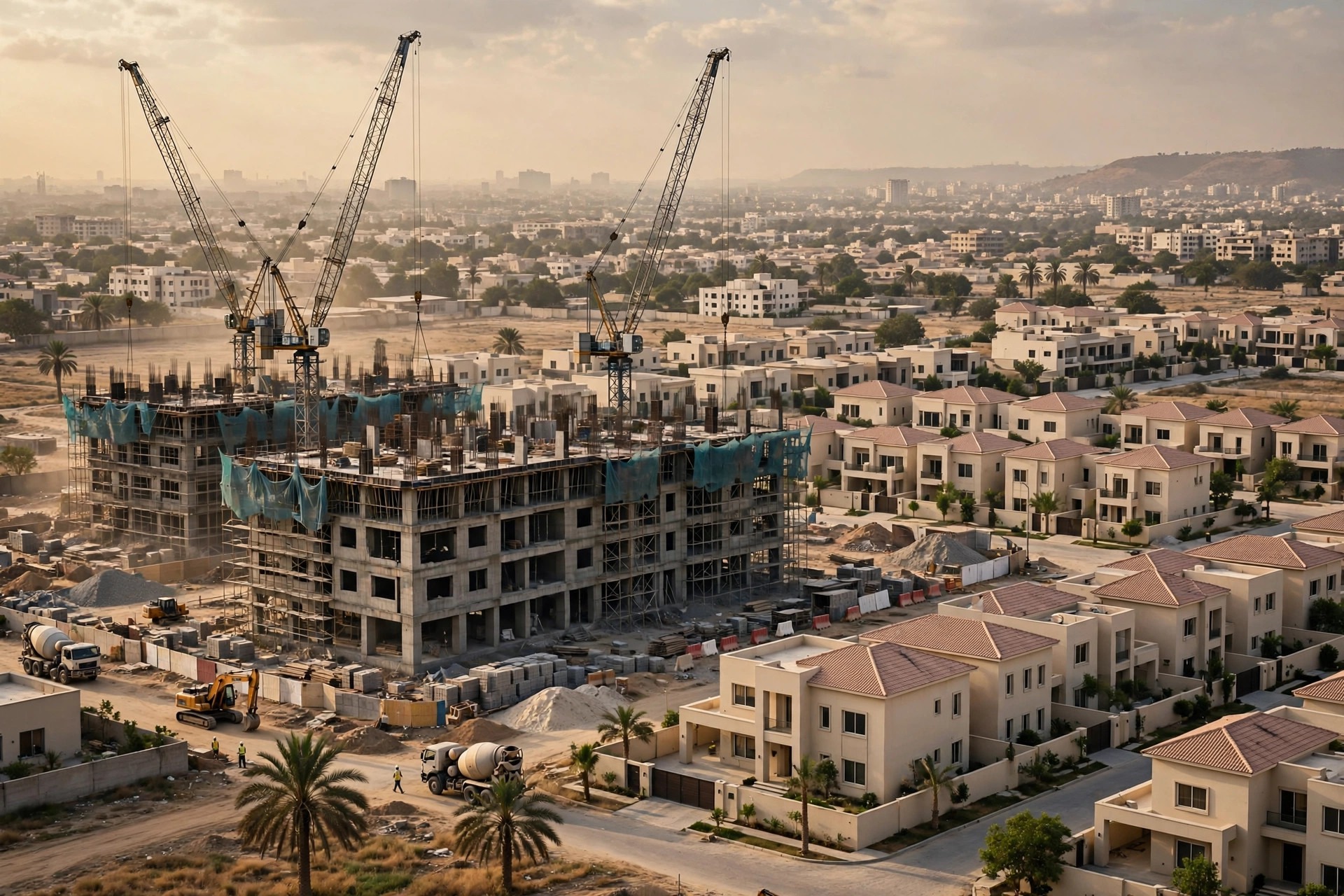
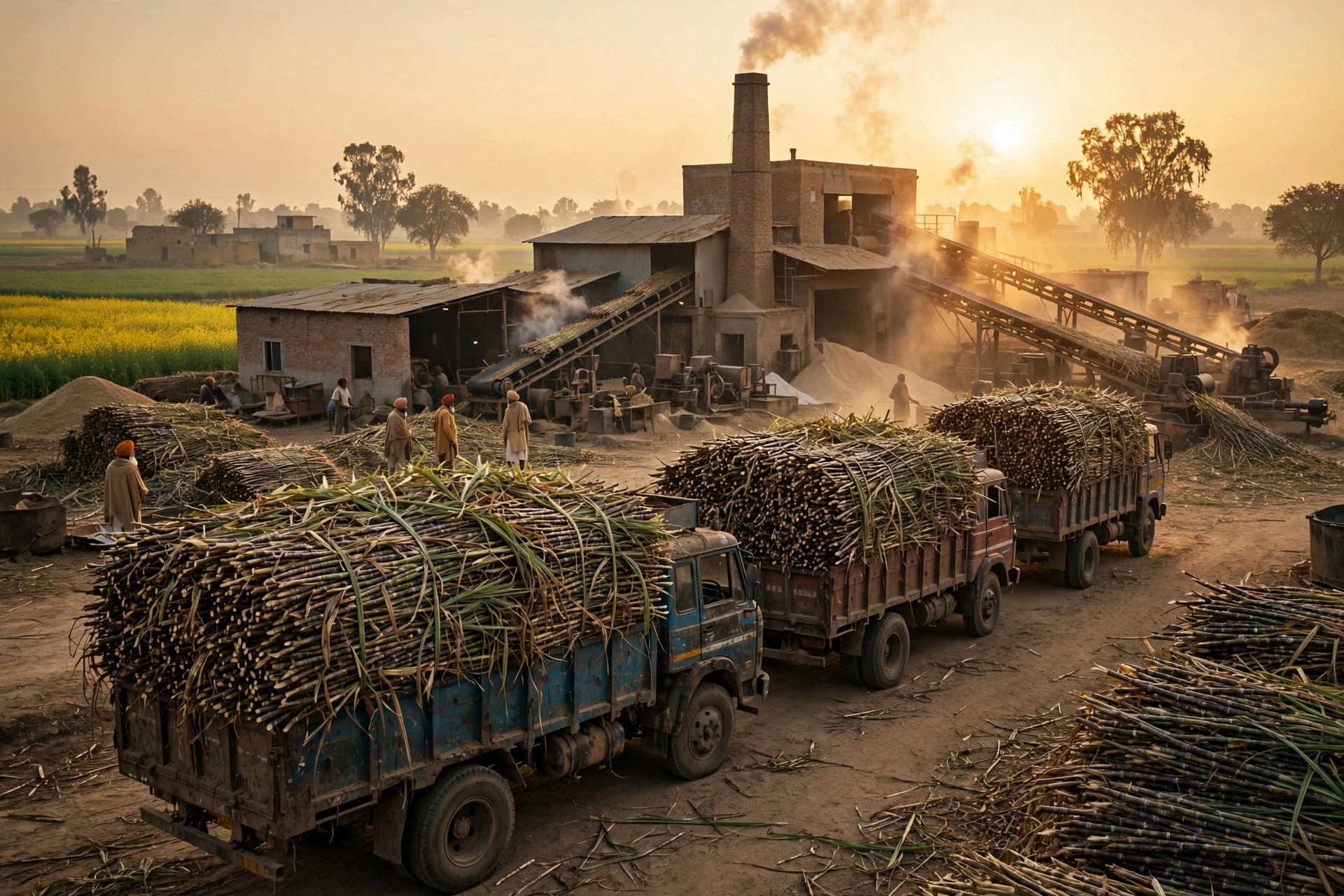
JDW's growth into a group came by combining its original mill with two additions. Unit II, near Sadiqabad in Rahim Yar Khan district, began life as United Sugar Mills Limited — incorporated in 1970 and once listed in its own right. JDW acquired it in November 2005, invested in upgrading its efficiency, and merged it into JDW Sugar Mills with effect from 1 October 2008. Unit III, in District Ghotki in Sindh, began as Ghotki Sugar Mills (Private) Limited, incorporated in 2006 and set up, by the company's account, in a notably short construction period; it started crushing in the 2007–08 season and was likewise folded into the listed company. Company reports in the late 2010s described the three units' combined crushing capacity at around 44,500 tonnes of cane per day — placing JDW among the largest producers in the country, contributing a meaningful share of national sugar output in strong seasons — and later annual reports show individual unit capacities expanded further. Scale in sugar is not vanity: cane must be crushed quickly after harvest before its sugar content fades, so crushing capacity, spread across two provinces' cane zones, is the group's fundamental productive asset.
Beyond sugar: power, ethanol and farms
The mature JDW is deliberately more than a sugar miller, reporting its business in segments that include sugar, co-generation power, corporate farms, ethanol and other projects. Each extension follows the chemistry and logistics of the cane itself.
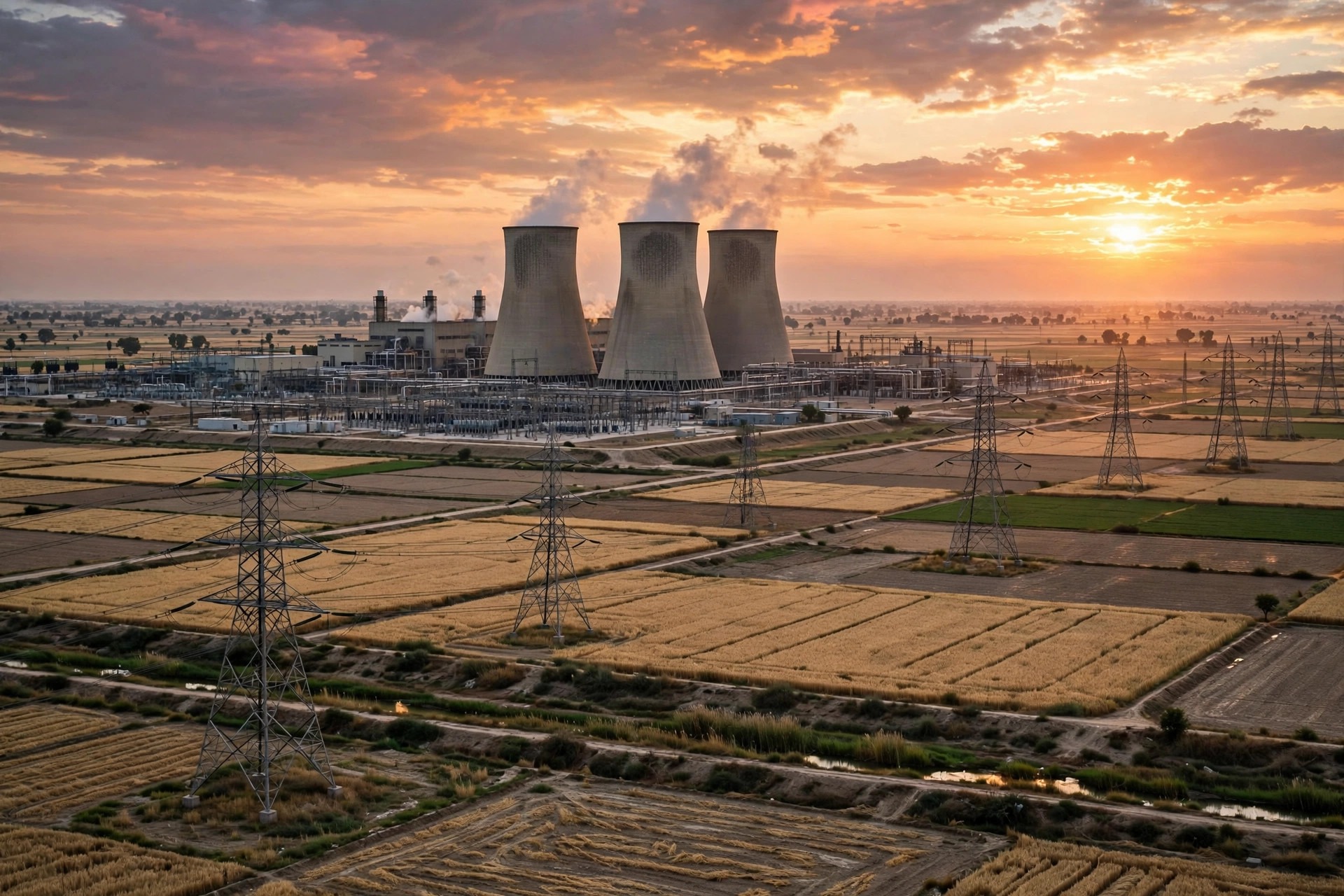
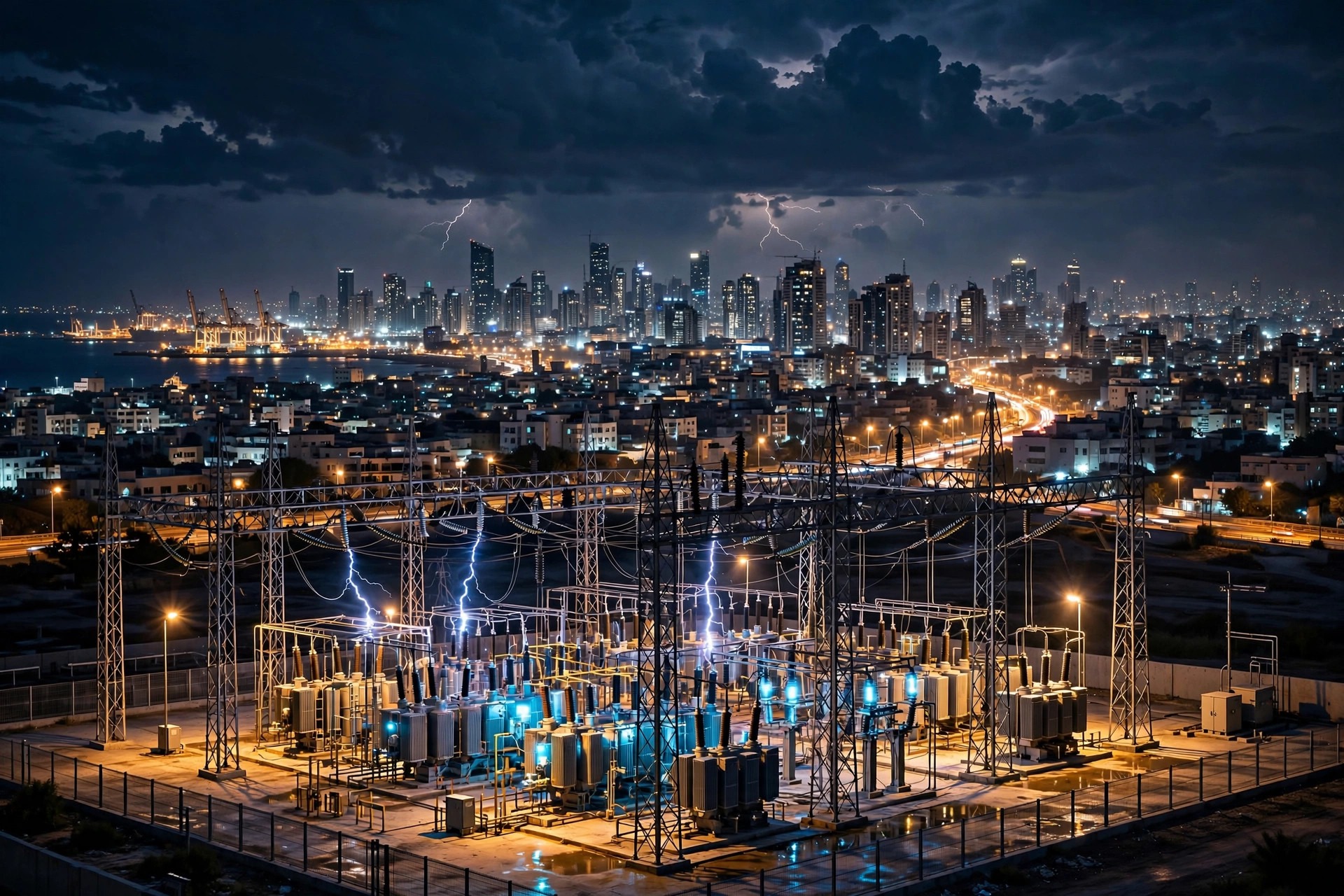
Power. Crushing cane produces bagasse — the fibrous residue left after juice extraction — in enormous quantities. Burned in high-pressure boilers, bagasse generates steam and electricity: enough to run the mill, with a surplus to sell. JDW commissioned high-pressure co-generation plants at Unit II and Unit III in 2014 — the Unit II plant reaching commercial operations in June 2014 and Unit III that October, each of roughly twenty-six to twenty-seven megawatts — selling power to the Central Power Purchasing Agency. The segment turns a waste stream into a contracted, grid-connected revenue line that continues, in modified form, beyond the crushing season's peak.
Ethanol. The other great by-product of sugar-making is molasses, the dark syrup left after crystallisation. Distilled, molasses becomes ethanol — for industrial use, fuel blending and export. An ethanol segment lets the group capture value from a stream once sold cheaply as a commodity, and diversifies earnings toward export markets.
Corporate farms. Unusually for a miller, JDW farms at scale itself: company reports describe corporate farms of around twenty-four thousand acres across Punjab and Sindh, alongside a sugarcane research and farmer-development effort that the group presents as unique in the industry. The logic is supply security — a mill's worst enemy is an empty yard in crushing season — and yield: better cane varieties and agronomy raise both the farmer's income per acre and the mill's sugar recovery per tonne. Around the farms sits a wider group footprint in agribusiness, but within the listed company the farms are best read as vertical integration into the raw material itself.
How a sugar group makes money
The sugar calendar rules everything. Cane is harvested and crushed in a season running roughly from late autumn into spring; the mill must buy its entire year's raw material in those months, at cane prices that are notified by provincial governments, and sell the resulting sugar across the whole year. Revenue per tonne of sugar depends on the recovery rate — how much sugar is extracted from each tonne of cane — and on the wholesale and retail sugar prices the market and, periodically, government policy allow. The arithmetic of a season is therefore brutally simple: cane cost per tonne, multiplied by tonnes crushed, against sugar produced multiplied by price realised, plus the by-product credits from molasses, ethanol and bagasse power that separate efficient groups from marginal mills.
Working capital is the industry's hidden engine. The mill pays farmers promptly during crushing, finances a mountain of sugar inventory through the off-season, and carries heavy seasonal borrowing that peaks mid-season and unwinds as stocks sell down — a pattern visible in any JDW balance sheet read across the year. Politics overlays the economics at every point: export permissions and subsidies in surplus years, import decisions in deficit years, support prices for cane, and periodic official inquiries into the sector — including the high-profile sugar inquiry of 2020, which examined mills across the industry, JDW among them — all shape the environment in which results are earned. Investors comparing listed millers will find the peer set in our guide to PSX sugar stocks.
Its place in Pakistan
Sugar is Pakistan's second great agro-industry after textiles, and JDW sits near its centre: a major buyer of cane from thousands of farming families in southern Punjab and northern Sindh, a significant rural employer, a producer of a politically sensitive food staple, and — through co-generation — a contributor of renewable, biomass-based electricity to the grid. The group's farming research and extension work touches the productivity question on which the whole sector's future depends: Pakistan's cane yields and sugar recovery have long trailed the world's best producers, and closing that gap is worth more than any single season's price movement. Its KSE-100 membership, governed by the free-float rules in how the KSE-100 is calculated, reflects that industrial weight translated into market terms.
Farmers, food prices and the public spotlight
A sugar mill's most important relationship is not with its customers but with its growers. Thousands of farmers within economical hauling distance of each JDW unit decide each year how much land to put under cane, weighing the notified cane price, payment speed and the mill's reputation against competing crops — and against other mills bidding for the same fields. JDW's corporate farms and research operation sit inside that competition as both hedge and demonstration: the group's own acreage guarantees a base supply, while its agronomy work — cane varieties, planting methods, water management — aims to lift yields across its zones, because a mill's cheapest tonne of cane is the one grown closest, with the highest sugar inside it. Recovery rates, the industry's favourite efficiency statistic, are decided as much in those fields as in the factory.
The spotlight is the other permanent condition. Sugar is a kitchen staple whose price appears in every inflation release, and mill owners' political prominence — in JDW's case, a founder who stood at the centre of national politics for two decades — ensures the industry is examined as politics, not just business. Export subsidies in surplus years, support-price decisions, and the 2020 sugar inquiry all drew JDW into national headlines alongside its peers. For the long-term reader, the useful discipline is to separate the structural business — three efficient mills, by-products, farms — from the political weather that periodically surrounds it; the accounts, read across full seasons rather than single quarters, are where the structural story is told.
That seasonality deserves one final emphasis, because it shapes how JDW's shares behave and how its results should be read. The company's financial year straddles the crushing season, borrowing peaks while cane is being bought and sugar stocks are at their highest, and profits are effectively decided by variables locked in months before they are reported — crop size, cane price, recovery, and the sugar price path through the selling year. Experienced followers therefore read JDW the way farmers read weather: in seasons, not in days.
The ethanol and power segments also connect JDW to two national policies larger than sugar. Ethanol earns export dollars and links Pakistani agriculture to global fuel and industrial alcohol markets, while bagasse co-generation is among the cheapest renewable electricity sources available to the grid — generated from a residue that would otherwise be burned in the open or left to rot. A group that farms, mills, distils and generates from a single crop is, in effect, operating a small circular bio-economy at district scale. That integration is the strongest structural answer JDW offers to sugar's critics: the cane economy's economics look very different when every stream of the plant — juice, fibre and syrup alike — has a paying destination.
The group's structure also offers a lesson in how Pakistani agro-industry organises itself. Rather than listing each activity separately, JDW keeps sugar, power, farms and ethanol inside one listed company, so shareholders own the whole cane economy of the group — its synergies and its cross-subsidies alike. That choice favours operational integration over financial transparency-by-separation, and it is the opposite of the holding-company pattern seen elsewhere in this index. Neither structure is inherently superior; but the reader of JDWS should know they are analysing an integrated operator, in which a weak sugar season can be cushioned — or a strong one shared — by power and ethanol earnings under the same roof.
What investors typically watch in JDW Sugar Mills
This profile is educational content, not financial advice. The recurring observation points for JDWS are:
- Cane availability and crushing volumes — the season's crop size in its Punjab and Sindh zones, which caps everything else.
- Recovery rates — sugar extracted per tonne of cane, where JDW has historically emphasised its efficiency.
- Cane and sugar prices — the notified cane support price against realised sugar prices, including any export programme.
- By-product earnings — ethanol realisations and co-generation power sales to the grid.
- Seasonal debt — the peak and unwind of working-capital borrowing across the crushing cycle.
JDW's arc — a 1990 incorporation, a first small mill in Rahim Yar Khan, scale built through the United and Ghotki additions, and diversification into power, ethanol and farming — is the Pakistani sugar industry's modernisation written in one company. It remains, unavoidably, a business conducted in public: every sugar price headline in the country is, in some small part, a headline about JDW. The Aktzien learning library covers the seasonal working-capital and commodity concepts that make its accounts easier to read.
Key takeaway: JDW grew from Jahangir Tareen's single 1990s Rahim Yar Khan mill into a three-unit sugar group spanning two provinces — and hedged sugar's seasonality with bagasse power, ethanol and corporate farming.