KARACHI: Open a kitchen cupboard almost anywhere in Pakistan and there is a fair chance the glasses inside came from one Lahore factory. Tariq Glass Industries Limited — TGL on the Pakistan Stock Exchange — is the company behind the Toyo Nasic, Omroc and Nova tableware brands, the tumblers, jugs, plates and bowls that sit on family tables and restaurant counters across the country and in export markets abroad. Then, in 2013, it made a second bet of a very different size: Tariq Float Glass, a plant producing the vast flat sheets from which windows, facades, mirrors and vehicle glass are cut. One company, two kinds of glass — the glass you drink from, and the glass you look through — and a history that begins with incorporation in 1978.
What Tariq Glass makes
The company's PSX description is compact: it is principally engaged in the manufacture and sale of glass containers, opal glass, tableware and float glass. Unpack that into four product families. Tableware is the historic core — pressed and blown glass for drinking and serving: tumblers, mugs, jugs, goblets, plates, bowls, ice-cream cups, fruit sets and ashtrays, decorated where customers want it with printing, colour and gold or silver banding. Opal glass is the milky-white glass used for dinnerware and similar products. Glass containers are bottles and jars for food, drink and pharmaceutical customers — the segment where its listed peer Ghani Glass (GHGL) also operates, and readers comparing the two will find a useful contrast between a tableware-led maker and a containers-led one. Float glass, the youngest and largest-scale line, is flat glass sold not to households but to processors, builders, glaziers and the construction chain.
The brands tell you which half faces the consumer. Toyo Nasic — a name reflecting the company's long technical collaboration with Toyo Glass of Japan — together with Omroc and Nova, are sold as branded tableware at home and exported to markets the company lists across Europe, the Middle East, Africa, Asia and the Far East. Float glass, by contrast, is a business-to-business commodity: few homeowners know or care whose furnace melted their window, and competition is on quality, thickness range, price and reliable supply to processors.
From a 1978 incorporation to a tableware leader
Tariq Glass was incorporated in Pakistan in 1978 and converted into a public limited company in 1980. Company histories describe commercial glassmaking taking off in the early 1980s — one account dates the kick-start of its operations to 1982 — growing from a small tableware plant, remembered in company material as producing around 15 tonnes a day at the start, into a multi-furnace operation whose combined daily output across float, tableware, container, opal and pharmaceutical glass it now describes in the thousands of tonnes. Treat those endpoints as the company's own telling rather than audited milestones, but the direction is uncontested in every source: over four decades TGL became, in its words and in trade descriptions alike, Pakistan's leading glass-tableware manufacturer, and one of the few industrial companies in the country whose products an ordinary shopper can name.
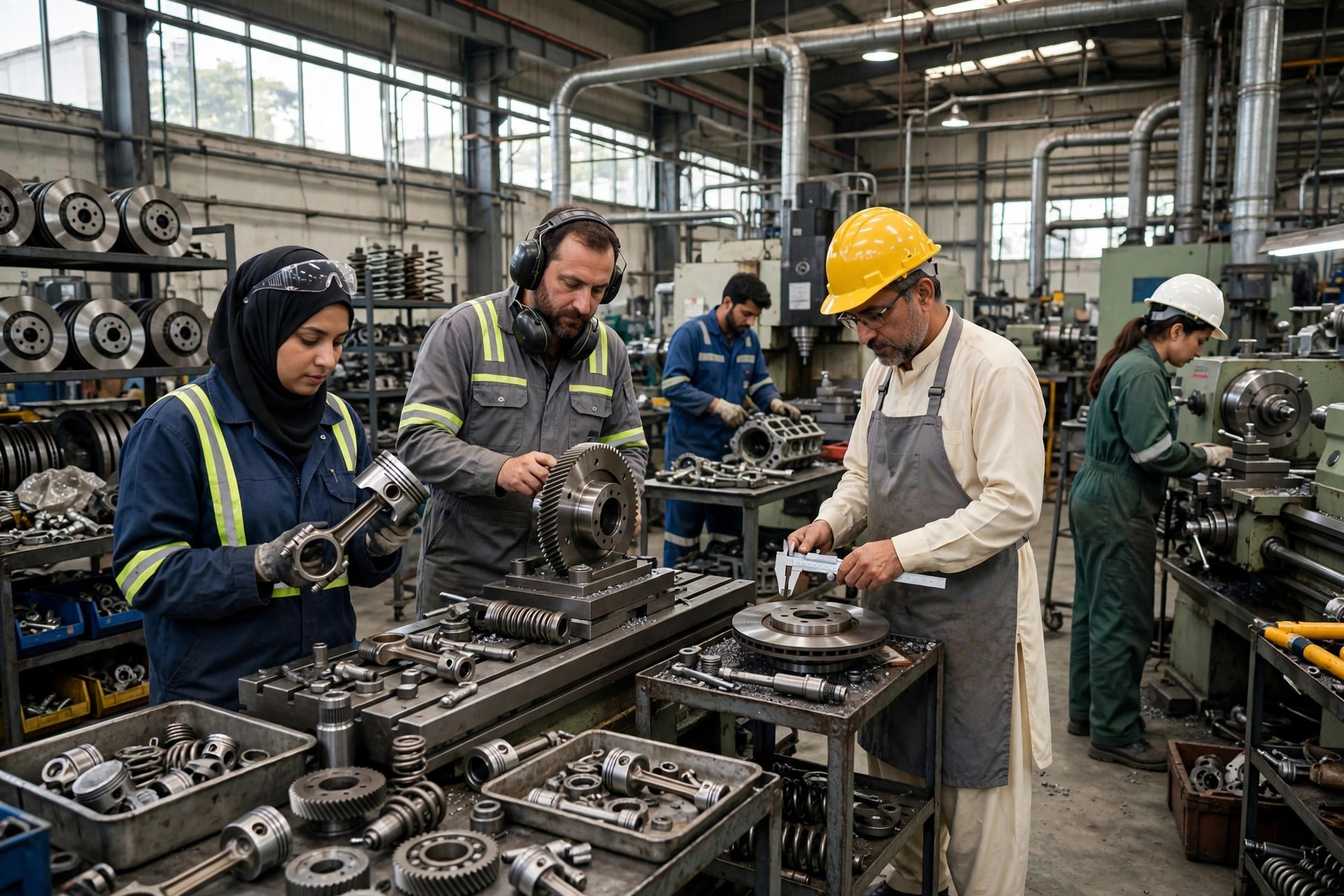
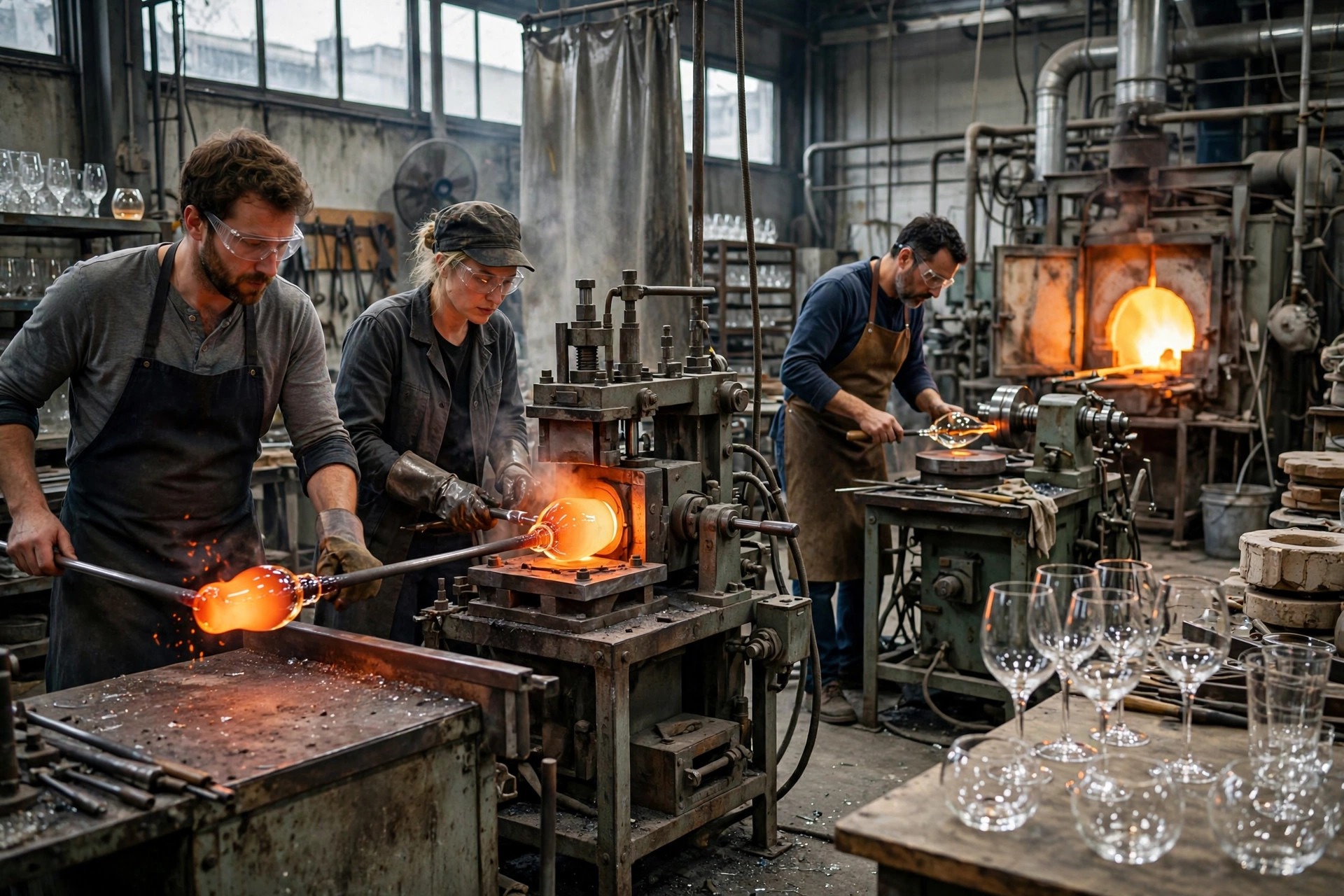
The machinery behind that rise is specialised and worth a sentence, because it explains the moat. Tableware is formed on single and double gob press machines and on press-and-blow and stretch machines, supported by an on-site mould workshop — moulds are the fingerprints of glassware design, and making them in-house shortens the path from a customer's sketch to a shipped product — plus laboratories, decorating machines and warehousing built for a fragile, bulky output. Glass furnaces, once lit, run continuously for years; you cannot switch a furnace off for a quiet month. That single physical fact shapes everything about the industry's economics, from its hunger for uninterrupted gas supply to its need to keep volume moving through warehouses even when demand dips.
2013: the float-glass leap
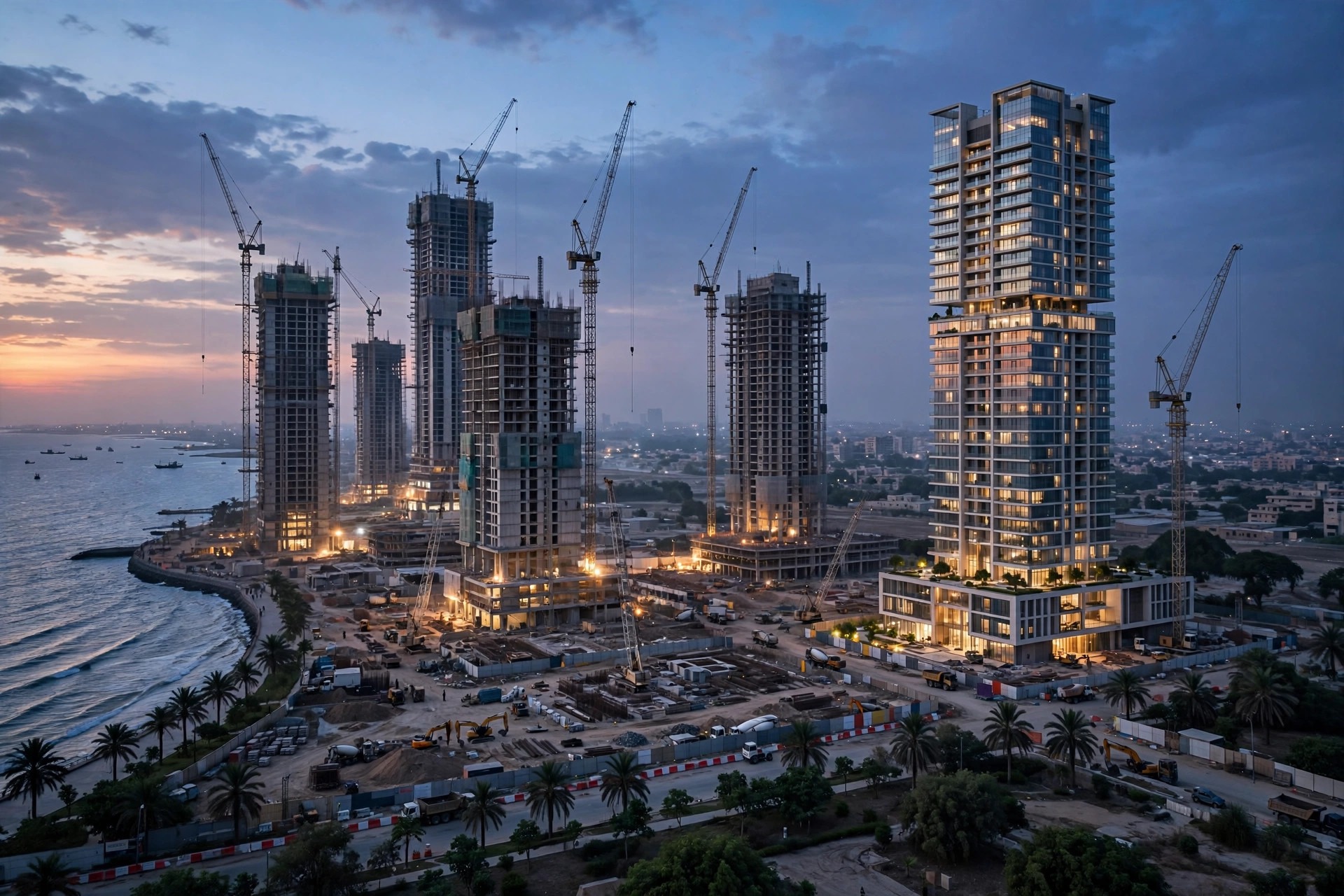
The boldest chapter began in 2013 with the launch of Tariq Float Glass. Float glass is made by floating molten glass on a bath of molten tin, producing the perfectly flat, uniform sheets modern construction takes for granted. The original plant's capacity was described at launch as 550 tonnes per day, producing clear float glass from 2mm to 13mm thick, plus tinted and reflective glass made with an online coating process, sandblasted glass and aluminium-coated mirrors. Company and trade sources record that float capacity was doubled in 2021. Strategically, the move changed what kind of company TGL is. Tableware demand follows households, weddings, restaurants and exports — steady, brand-sensitive, comparatively defensive. Float demand follows construction: housing schemes, commercial towers, renovation cycles and the availability of imported competing glass. Post-2013, Tariq Glass earnings carry both rhythms at once.
It also changed the customer map. Float sheets leave the plant for processors who temper, laminate, mirror and double-glaze them, and for architects and builders who specify them. The company's material emphasises that its float glass became a first choice of processors for tempering and glazing work — trade language, but consistent with the product's role as an intermediate good whose quality is judged by professionals rather than advertised to consumers.
How a glassmaker makes money
Glass is melted sand, soda ash and limestone, plus energy — a great deal of energy. The furnace is the cost centre around which the whole business orbits: natural gas (or alternative fuels where gas is scarce) burned day and night to keep glass molten at well over a thousand degrees. Revenue, on the other side, is tonnes shipped multiplied by price per tonne or per piece, across hundreds of tableware designs and a range of float thicknesses. Profit lives in the gap between those two, and the gap is managed through a handful of practical levers:
- Furnace utilisation. A furnace producing saleable glass near its capacity spreads its enormous fixed energy and maintenance costs over more output. Idle capacity is doubly expensive because the furnace burns fuel regardless.
- Energy price and availability. Gas tariffs and winter gas curtailment are existential variables for Pakistani glassmakers; the same is true for their cement and fertiliser cousins elsewhere in this series.
- Product mix. Decorated, branded tableware and coated or mirrored float glass earn more per tonne than plain commodity output. Exports add hard-currency revenue but also freight costs on a heavy, breakable product.
- Import competition. Cheap imported float glass — a pressure the company has publicly faced in weak construction years — can cap local prices even when local costs rise.
Working capital has its own glass-specific flavour: finished tableware is fragile and bulky to store, raw materials like soda ash are substantially imported and therefore exchange-rate sensitive, and construction-linked float sales often run on trade credit to processors and dealers. A reader of TGL's results learns to look at volumes, energy costs and the construction cycle before anything else.
Tariq Glass in Pakistan's glass landscape
Pakistan's glass industry is small enough that its listed members can be counted on one hand, which gives TGL an outsized role as the sector's tableware-and-float representative in the KSE-100. Its presence there — alongside its sibling profile in this series, Ghani Glass — means index investors hold glass exposure whether they chose it or not, one of the quiet consequences of how the KSE-100 is calculated with sector representation in mind. When the index is reviewed, as our guide to KSE-100 rebalancing explains, membership turns on market capitalisation and trading activity rather than on any official judgement about the industry — yet the effect is real: the furnaces of Lahore end up in pension-style portfolios across the country.
In daily life the footprint is simpler to describe. Tariq Glass tableware is part of the material culture of Pakistani hospitality — the glasses brought out for guests, the jug on the office desk, the dinner set given at weddings — while its float glass is quite literally the transparent skin of new buildings, shopfronts and vehicles. Few manufacturers touch both the dining table and the skyline.
What investors typically watch
The watch list follows the physics. Construction activity and housing demand, for float volumes. Gas prices and supply, for costs. The rupee, for imported inputs and for the competitiveness of imports themselves. Export demand for tableware, where branded goods travel surprisingly far for such a fragile product. And furnace events — rebuilds and repairs are periodic, expensive and disruptive, and expansion announcements (the 2021 float doubling is the model) signal management's reading of future demand. Readers building their own framework can start from the Aktzien learning library, which explains capacity, utilisation and commodity margins in plain language.
Tariq Glass is, in the end, a study in industrial patience: furnaces lit in the early 1980s, a brand built piece by piece of pressed glass, and one very large diversification into flat glass four decades in. This article is educational content, not financial advice — the company's furnaces will keep burning through construction booms and slumps alike, and understanding why they cannot simply be switched off is most of what there is to understand about the economics of glass.
The craft and chemistry behind the brands
It helps to understand what actually happens inside the Lahore works, because glassmaking rewards a particular kind of industrial discipline. The raw batch — sand, soda ash, limestone and recycled cullet — is melted in furnaces that run continuously for campaigns lasting years, and the molten glass is then formed while it is still workable: pressed into tumblers and plates in moulds, blown and stretched into hollow ware, or, in the float plant, floated across molten tin until it sets into a flawless ribbon that is cut to size. Quality is decided in seconds and degrees. Too cool, and the glass will not form cleanly; too hot, and energy is wasted and defects multiply. The company's investment in its own mould workshop, laboratories and decorating lines reflects that reality: in tableware, design variety is a commercial weapon — a retailer who wants an exclusive pattern for a season can be served quickly — while in float glass, optical quality and flatness are the entire argument.
Exports deserve a further word, because shipping glass is shipping mostly air and fragility. That TGL's tableware brands are documented in markets across Europe, the Middle East, Africa, Asia and the Far East says something about packaging, consistency and price discipline as much as about the glass itself: breakage rates and carton engineering are unglamorous variables that decide whether a Lahore tumbler can land in a foreign warehouse profitably. The technical collaboration with Toyo Glass of Japan, referenced in trade profiles of the company, belongs to the same story — Japanese forming technology and quality systems transferred into a Pakistani plant, then gradually indigenised as local engineers accumulated furnace campaigns of experience. Industries like this are built from such transfers, compounded over decades.
Set against its listed peer Ghani Glass, which leans toward containers and pharmaceutical glass, Tariq's centre of gravity in branded tableware and float gives it a different risk signature: more consumer and construction exposure, less dependence on beverage and pharma bottlers. Two glass companies, two quite different businesses — a comparison the sibling profiles in this series are designed to make easy.
One final structural point completes the picture. Glass is an industry of campaigns and rebuilds: a furnace, once its lining wears after years of continuous operation, must be cooled, rebuilt and relit — a planned, expensive interruption that management schedules like a refinery turnaround. Announcements of furnace rebuilds in TGL's exchange filings are therefore not bad news in themselves; they are the industry's normal capital rhythm, and the periods after a rebuild, when the furnace runs at its most efficient, often show in the cost line. Readers who learn to interpret that rhythm — expansion, rebuild, harvest — have learned the basic grammar of every process industry in this series, from cement kilns to fertiliser plants.
Key takeaway: Tariq Glass grew from a 1978 Lahore incorporation into Pakistan's tableware leader under Toyo Nasic, Omroc and Nova, then added scale and cyclicality with Tariq Float Glass from 2013 — a business whose profits hinge on furnace utilisation, energy costs and the construction cycle.