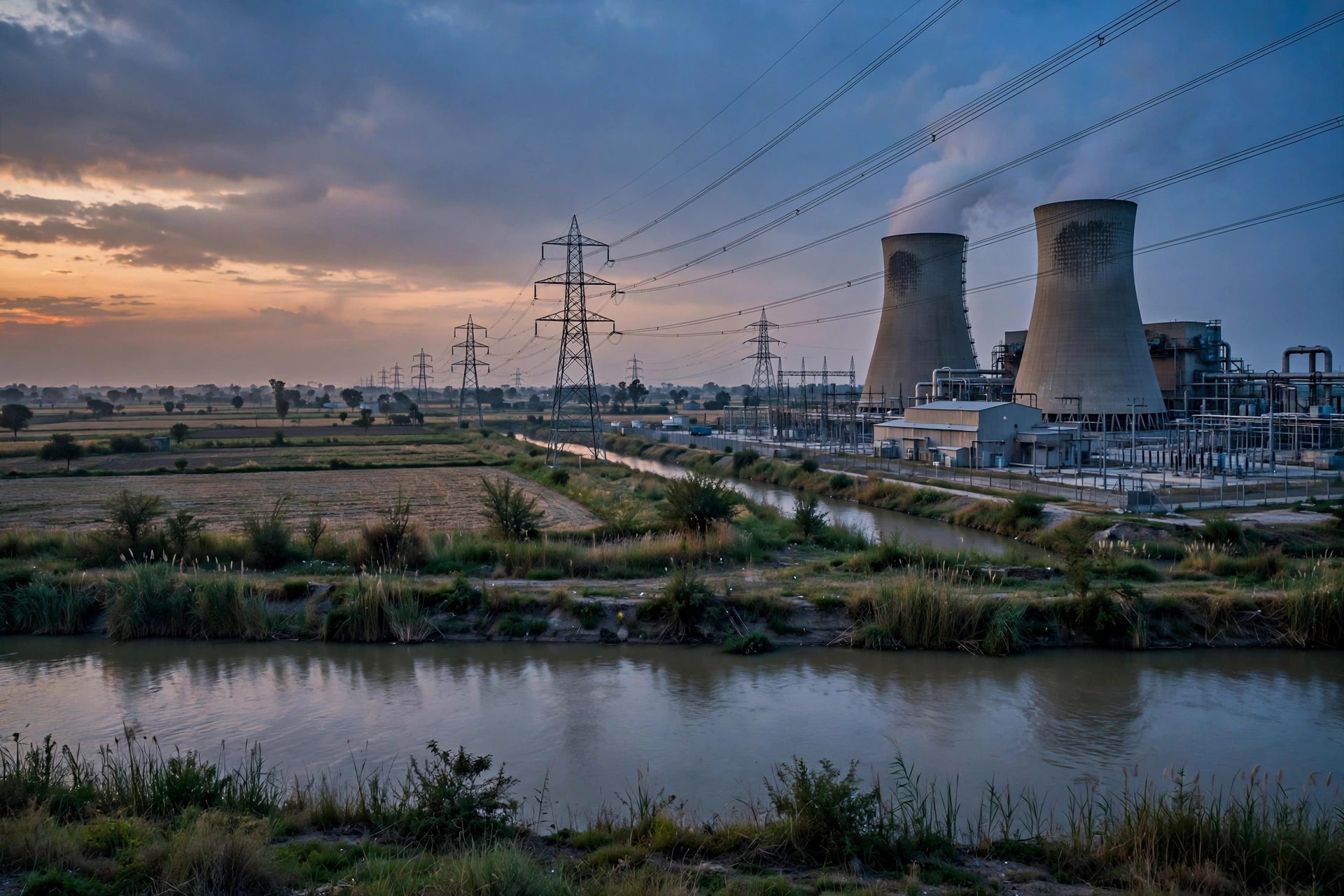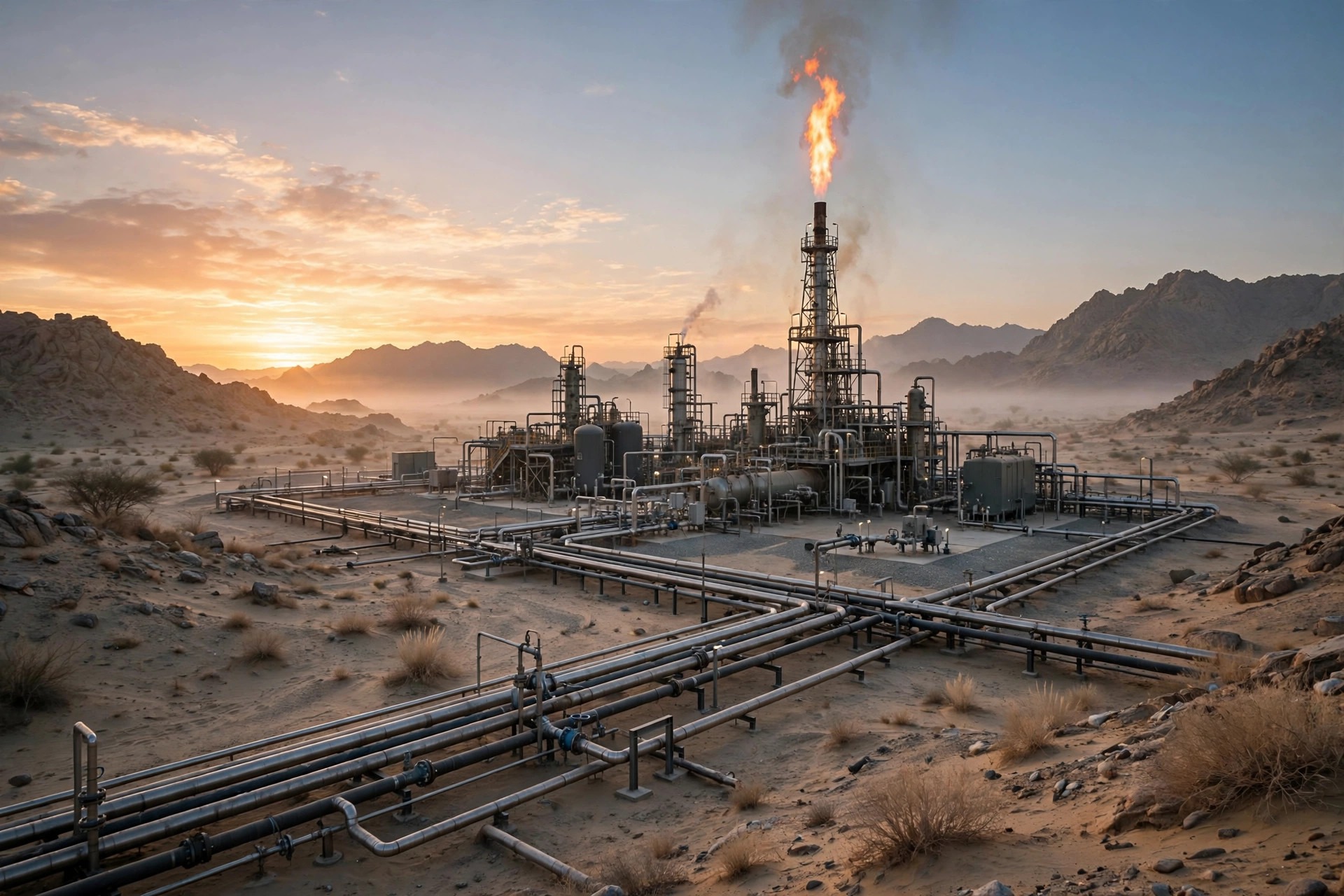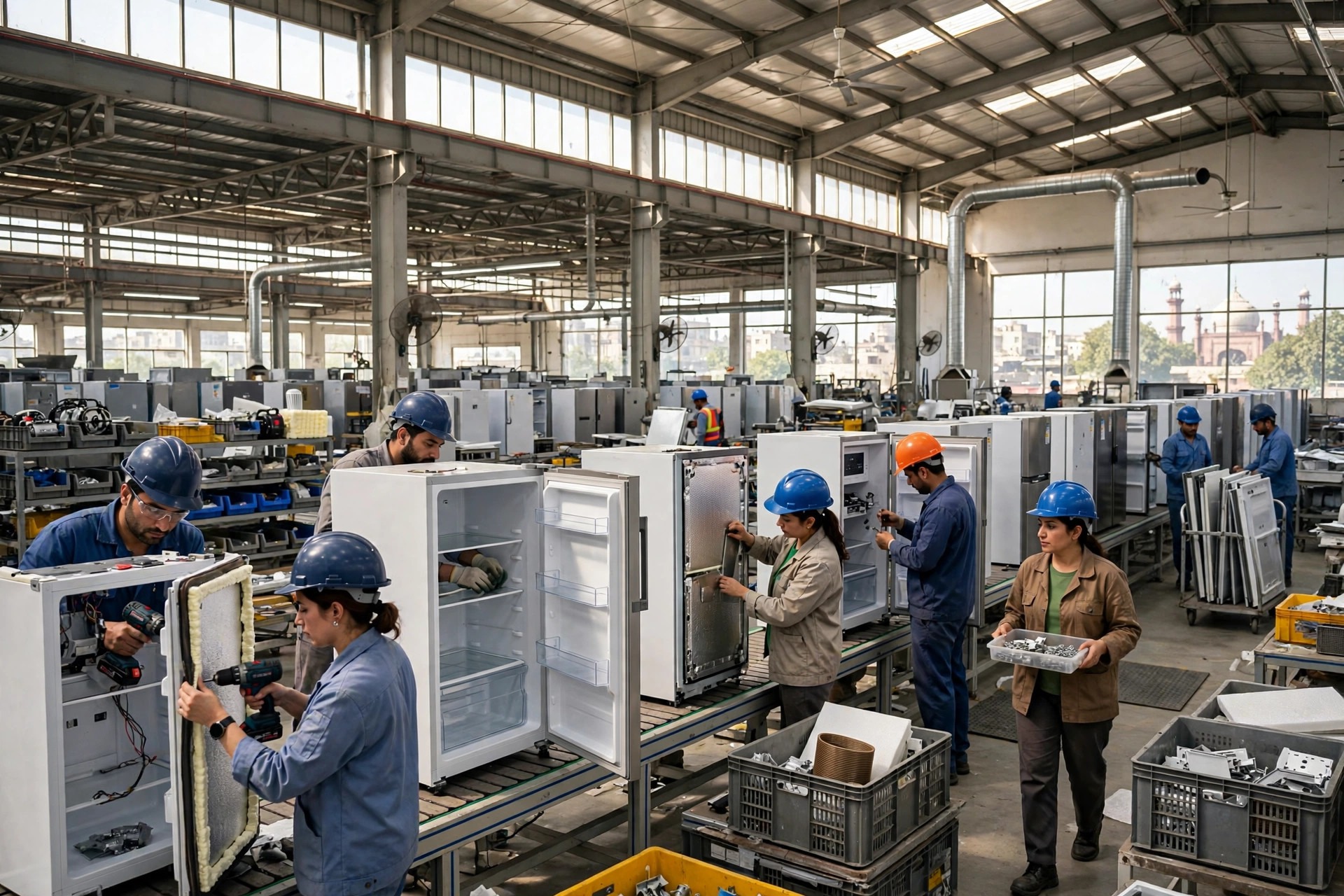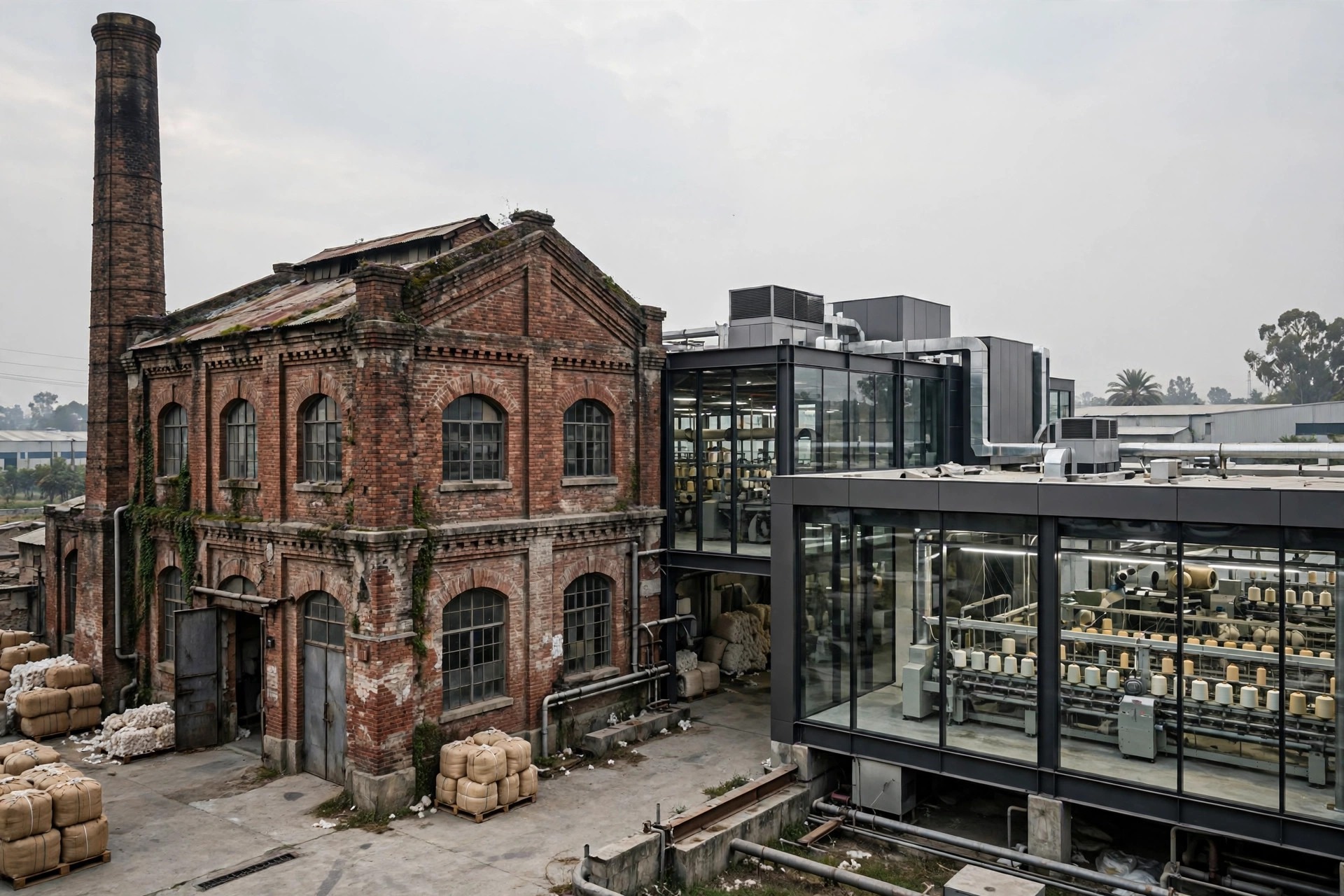
KARACHI: Every large business group has a first company — the one that made the money, earned the banking relationships and taught the family how industry works. For the Nishat Group, that company is Nishat Mills Limited. It commenced business in 1951 as a partnership, founded by Mian Muhammad Yahya and his brothers, who had migrated from Calcutta at Partition after running a leather business there. It began as a weaving unit, added spinning, and grew into a composite textile giant at Faisalabad — spinning, weaving, processing, stitching and its own power generation under one organisational roof. Nishat Mills went public and listed on the Karachi Stock Exchange in 1961, when Karachi's was the only exchange in the country. Under Mian Muhammad Mansha, who joined the family business in the late 1960s after his father's death and came to lead the western wing of the family's interests, the mill's cash flows and credibility became the platform for the Nishat Group's expansion into cement, banking, insurance and power. Read Nishat Mills' history carefully and you are reading the seed capital — financial and reputational — of one of Pakistan's largest private business empires.
1951: a Partition family starts a mill
The founder was Mian Muhammad Yahya, born in Chiniot in 1918. In 1947 he was running a leather business in Calcutta when Partition swept the subcontinent; like many Muslim business families of Bengal, he migrated to the new Pakistan to help build its industrial base. He began with a cotton export house and branched into ginning, cotton and jute textiles, chemicals and insurance. With his three brothers — Mian Hameed, Mian Rafiq and Mian Ayub — he founded Nishat Mills in Pakistan in 1951. A detail preserved in group histories captures the improvisation of the era: the name Nishat was not chosen by the founders; it came pre-assigned with the textile licence they acquired. The brand that would one day sit on banks and power plants began as someone else's word on a government form.
Nishat Mills commenced business in 1951 as a partnership concern, converted into a private limited company in 1959, and went public in 1961 with a listing on the Karachi Stock Exchange. It started as a weaving unit with 500 semi-automatic looms; 10,000 spindles were added, laying the foundation of a composite project at Faisalabad — a site described in company histories as covering some 98 acres, with spinning, weaving, processing, stitching and power generation in one complex. Composite, in textile language, means the mill carries cloth from raw cotton to finished fabric through every stage itself, capturing each step's margin and controlling quality end to end. That integration, unfashionable in some eras and prized in others, became the Nishat way across businesses: own the chain, do not rent it.
Yahya did not live to see the empire. Elected chairman of the All Pakistan Textile Mills Association, the industry's prime body, he died in 1969, aged 51. His son Mian Muhammad Mansha, who had returned from studies in London in 1968 and joined the business around his father's death, stepped into a family firm at the moment Pakistan itself was about to break apart.
Division, survival and the Mansha build-out
In 1969 the family's assets were divided among its members. Mansha received the assets in West Pakistan; the eastern assets passed to other family members and were largely lost when East Pakistan became Bangladesh in 1971. The group that history calls Nishat is, in its modern form, the western inheritance rebuilt — a fact worth remembering when the group's story is told as uninterrupted ascent. It was, in part, a reconstruction.
Through the 1970s nationalisation era and the decades after, Nishat Mills expanded its textile capacity and its export book, becoming one of Pakistan's largest fabric producers, supplying international apparel brands with the denim, workwear and home textiles that are the backbone of Pakistan's exports. Textiles did for Nishat what textiles did for Pakistan: earned the foreign exchange, built the factories and created the industrial workforce. But Mansha's distinctive move was to treat the mill as a platform rather than a destination. Cement followed — the group built and acquired cement capacity, most prominently D.G. Khan Cement, whose profile sits alongside this one as D.G. Khan Cement. Banking followed in the privatisation era, when the group won control of Muslim Commercial Bank — MCB — in a famous and contested privatisation, giving Nishat a financial arm of national scale. Insurance, leasing and, in the 2000s, power generation through subsidiaries such as Nishat Power completed the four core businesses group histories describe: textiles, cement, banking and power.
That expansion is why Nishat Mills matters beyond the textile sector. It is the parent and ancestor of listed companies across the exchange, and its shareholder register, dividends and investments connect it to much of the modern PSX. Our explainer on Pakistan's conglomerates uses groups of Nishat's kind to show how such structures concentrate opportunity and complexity at once.
What Nishat Mills does today
Strip away the group and the company itself is a textile composite manufacturer and exporter, headquartered in Lahore with its great production base at Faisalabad and operations built around the full chain: spinning yarn from cotton and other fibres; weaving yarn into greige fabric; processing — dyeing, printing and finishing — that turns greige cloth into saleable fabric; and stitching and made-ups, including home textiles, that carry the product closest to the final consumer. It generates part of its own power, as large mills must in a country where grid reliability cannot be assumed. Alongside manufacturing, the modern Nishat Mills is also an investment holder: its balance sheet carries significant investments in group companies, so its reported results blend mill economics with the dividend and value movements of the empire the mill created. Readers who miss that blend misread the company — in some years the looms explain the result; in others, the portfolio does.
Its customers are principally overseas apparel and home-textile buyers and the international brands behind them, which makes Nishat Mills a dollar earner on much of its output. That export character defines its risk map: global clothing demand, the policies of competing supplier countries, Pakistan's energy and cotton costs relative to Bangladesh, Vietnam and India, and the exchange rate. Our guide to textile stocks on the PSX lays out that map for the sector as a whole, and our explainer on Pakistan's exports shows why textiles still dominate the country's trade story.
How the mill makes money
The textile chain earns at each transformation. Spinning converts cotton — priced off domestic crops and international markets — into yarn. Weaving converts yarn into cloth. Processing adds the highest craft value: colour, hand-feel, finish, consistency at scale. Stitching converts fabric into garments and made-ups at labour-intensive margins. A composite mill keeps all four margins in-house and gains flexibility — it can sell yarn when yarn prices are strong, push fabric when fabric is, and favour made-ups when buyers pay for finished goods — but it also carries all four stages' fixed costs and capital needs.
Three variables dominate the outcome in any year. Cotton: the size and quality of Pakistan's crop, and the price of imported cotton when the local crop falls short, set the raw-material floor. Energy: gas and electricity for spinning, processing and captive generation are among the largest costs, and regionally competitive energy pricing for exporters is a perennial industry demand. Demand and currency abroad: orders from Western retail chains, and the rupee rate at which dollar invoices convert, decide the top line's translation into profit. Add investment income from group holdings, and you have the full, two-engine picture: an industrial engine and a portfolio engine under one ticker.
Nishat Mills in Pakistan's life
It is difficult to overstate the textile mill's place in Pakistani economic life, and Nishat is among its archetypes. Faisalabad — the Manchester of Pakistan in the local phrase — grew around mills like this one; generations of workers, technicians, dyers, exporters and transporters built livelihoods in their orbit. Export textiles remain Pakistan's largest source of export earnings, which means a company of Nishat Mills' scale is not merely a private business: its order book is a small macroeconomic indicator, read by bankers and policymakers as a sign of how the country's external account will fare.
There is also a dynastic thread Pakistanis follow with genuine interest. Mansha — chairman of the group and of MCB, decorated with the country's highest civil award, and routinely described as among Pakistan's wealthiest individuals — built from this mill a group whose name now fronts hotels, retail and ventures beyond the four core sectors. The mill remains the root: the oldest listed company of the group, and the legal parent of its power business.
What investors typically watch
Watchers separate the two engines. For the mill: export order trends, cotton prices and crop reports, energy tariffs for export industry, capacity utilisation and any modernisation spending, since textile machinery vintages show up directly in quality and cost. For the portfolio: the performance and dividends of the group's listed companies in which Nishat Mills holds stakes — cement, power, banking and insurance names — and any restructuring that moves assets within the group. For both: the group's capital allocation, because a holding-minded parent constantly chooses between reinvesting in looms, buying assets, and paying cash out. KSE-100 membership, for a company of this size and history, follows the standard index calculation rules.
Students of business history could do worse than start here: a licence with someone else's name on it, a weaving shed of 500 looms, and seventy years of compounding into a group. The frameworks for analysing such groups are collected on our Learn page. This profile is educational content, not financial advice.
Denim, terry and workwear: the divisions in detail
The company's own presentation of its business divisions gives a fuller map than the word textiles suggests. Alongside spinning, weaving and dyeing, Nishat Mills lists dedicated denim and workwear operations, a home-textile division, a terry division making towels and bath robes, a garments operation with its own stitching capacity, and its power division. The product detail behind those headings runs from cotton carded and combed yarns, poly-cotton and core-spun yarns, through fabrics in twills, drills and satins, Bedford cords, herringbones, pique and rib cords, to finished home products such as table linen, quilt covers, flat and fitted sheets, pillowcases, cushions, curtains and baby sets. Workwear and denim matter because they are specification businesses: a uniform fabric or a denim must meet a buyer's wash, strength and colour standards batch after batch, which rewards exactly the integrated control — own spinning, own weaving, own processing — that a composite mill provides.
Two dates in the wider group story also belong in this profile, because company and group histories record them plainly and they frame the mill's platform role. The Nishat Group moved into banking in 1991, when it acquired Muslim Commercial Bank in the privatisation programme, and into cement at scale in 1992, when it acquired D.G. Khan Cement Company from the government of Pakistan. Seen in that order, the sequence is instructive: the mill's export earnings and standing came first, and the two regulated, capital-heavy acquisitions that transformed the group followed within two years of each other, funded and justified by the credibility the textile business had built over four decades.
Succession and the second empire question
A company founded in 1951 and led for over half a century by one dominant figure eventually faces the question every family empire faces: what does the structure look like when the builder's generation passes? Nishat's answer, so far, has been institutional rather than personal — professional managers inside listed companies with their own boards, a next generation of the family present across the group, and the holding pattern of stakes that lets the centre coordinate without merging everything into one conglomerate. For Nishat Mills itself, that means its future is likely to remain dual: a working textile exporter whose mills must earn their place against regional rivals every season, and a shareholder in the wider group whose fortunes it helped create. The mill that began with a borrowed name on a licence has become, in effect, the family office with factories attached — and its shareholders own both. This profile is educational content, not financial advice.
Key takeaway: Nishat Mills, begun in 1951 by Mian Muhammad Yahya and his brothers and listed in 1961, grew from a Faisalabad weaving unit into Pakistan's archetypal composite textile exporter — and, under Mian Muhammad Mansha, into the parent and platform of the Nishat Group's cement, banking and power businesses.