KARACHI: Almost everything on a Pakistani supermarket shelf arrives in something Packages made. The carton around the tea, the film around the soap, the board in the cigarette pack, the tissue box by the till — for nearly seventy years, the Lahore company founded by Syed Babar Ali in 1956 has been the quiet manufacturer behind the country's consumer economy. Packages Limited — PKGS — began as a small converting plant making cartons from imported board. It became Pakistan's most complete packaging house, then something larger: a group whose joint ventures with Tetra Pak, Nestlé, Mitsubishi and others seeded industries from liquid-food packaging to insurance, and whose founder went on to build LUMS, Pakistan's leading business school. Since a restructuring in 2020, the listed company is a holding company — a fact that changes how its accounts must be read, and makes its profile a useful lesson in how Pakistani business empires organise themselves.
What Packages is today
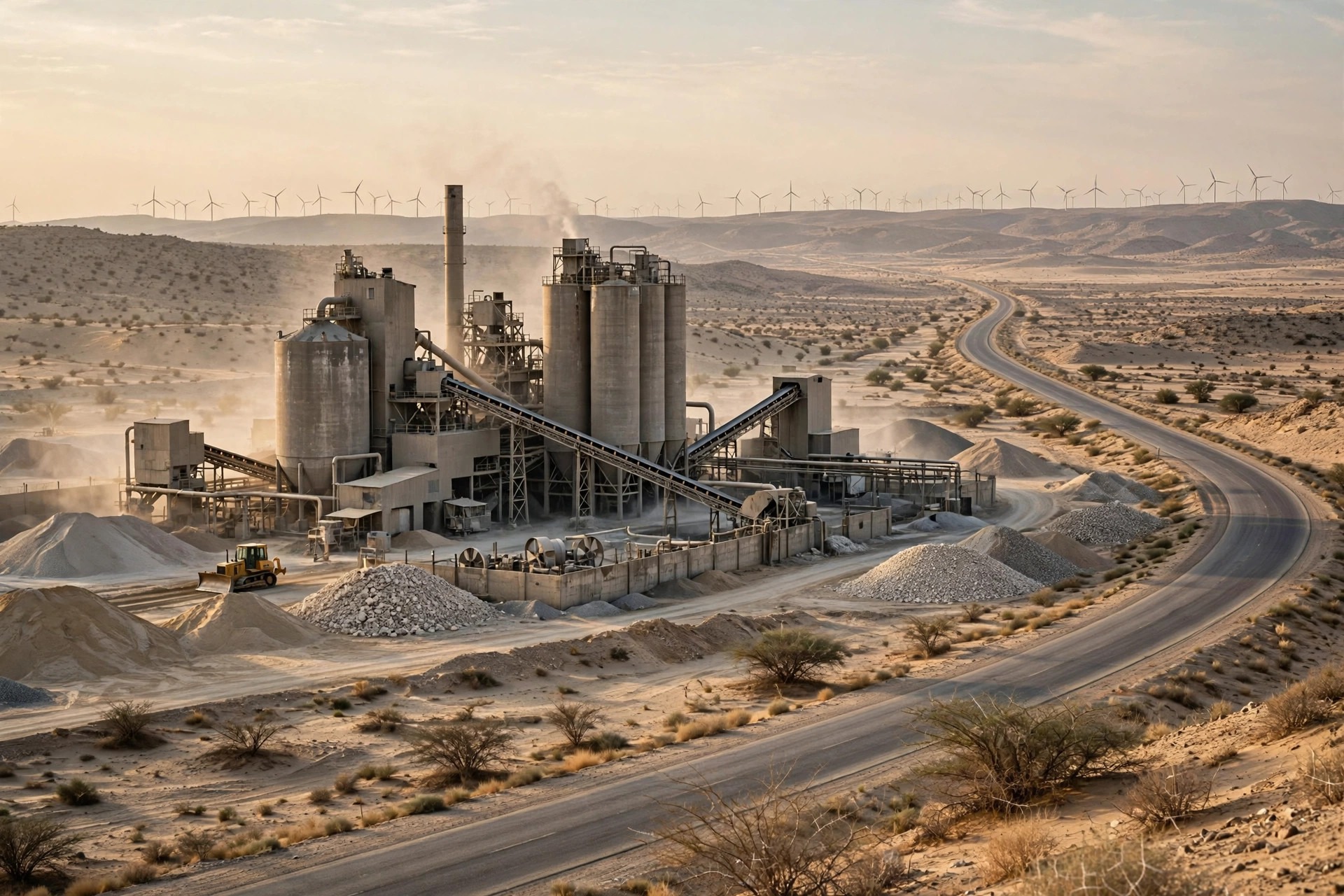
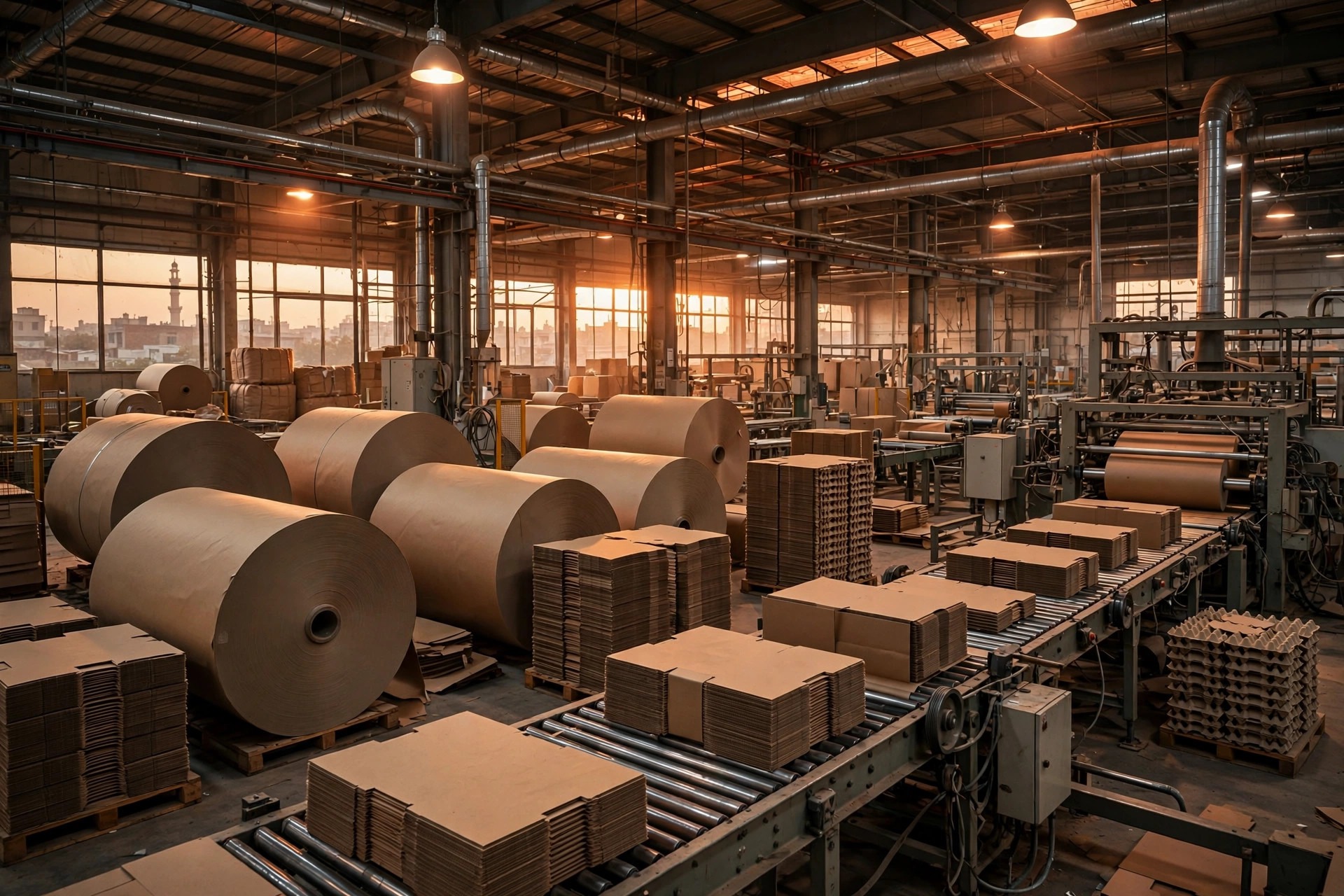
Packages Limited's own description of its principal activity is the management of investments — in subsidiaries, associated companies and joint ventures. The operating businesses sit below it. Packages Convertors Limited, a wholly owned subsidiary, runs the core converting operations the group is famous for: folding cartons, flexible packaging, consumer products including tissue, and related machinery and materials work. Bulleh Shah Packaging operates the group's paper and board mills, producing the duplex board, kraft and corrugated medium that feed both Packages' own converting lines and outside customers. DIC Pakistan makes industrial inks — the colours on everyone else's packaging. Around these sit film businesses making BOPP and CPP packaging films, a real-estate arm best known for Packages Mall in Lahore, and a portfolio of associates and joint ventures accumulated over decades.
The customer list explains the business better than any product catalogue: the great consumer companies of Pakistan — Unilever, Nestlé, Pakistan Tobacco and their peers, some of them customers for over fifty years — buy their packaging from Packages because packaging is not a commodity purchase for them. A carton must run at speed on a filling line, protect the product, carry printing of exact colour, and arrive in the right quantity every week. That reliability, built over decades, is Packages' real asset, and it is why the company describes itself as offering a complete range of packaging solutions rather than selling board by the tonne. The pattern — a listed parent whose value lives in the ventures beneath it — is one our explainer on Pakistan's conglomerates examines across several of the country's great groups.
1956: a cotton exporter's packaging problem
The founding story begins with cotton. Syed Babar Ali, a son of Syed Maratib Ali — a prominent Lahore businessman of the colonial era — was working in the family's cotton export business after partition when he ran into a practical problem: Pakistani goods were held back by poor packaging, and the country had no modern packaging industry of its own. His solution was to build one. Packages Limited was established in 1956 as a joint venture between the Ali Group of Pakistan and Akerlund & Rausing of Sweden, then among Europe's leading paper converters, which brought machinery, technicians and know-how while the Ali family provided capital, land and management. Operations began in 1957 in Lahore — chosen for its workforce, raw materials and rail links to the whole country.
The new plant's first products were folding cartons for the consumer industries of the day: cigarettes, tea, confectionery, soap and pharmaceuticals. But board supply was a bottleneck — the paper and board available from mills in East Pakistan and the frontier was inadequate in quality and quantity — so Packages integrated backwards. In 1968 it commissioned its own paper and board mill on site, making paper from waste paper and agricultural residues including wheat straw and river grass, pioneering the use of wheat straw as a papermaking raw material in Pakistan. The mill's capacity grew steadily over the following decades, and the board business it founded eventually became the Bulleh Shah Packaging operation. Additional capital along the way came from the sponsors, the International Finance Corporation and the public, as the company listed and expanded.
The joint-venture method: how one company seeded many
Packages' growth strategy, repeated for forty years, was the joint venture with a world leader entering Pakistan. The landmark was Tetra Pak: since 1982, Packages has been the Pakistani partner in Tetra Pak Pakistan, the venture that manufactures board for liquid-food packaging and markets the aseptic carton systems that put milk and juice into the country's shops — the technology behind the transformation of Pakistan's dairy market through brands such as Milkpak, the venture Babar Ali built with Nestlé. The films business followed the same template — and then showed how the template can end. Tri-Pack Films, incorporated in 1993 as a joint venture between Packages and Mitsubishi Corporation of Japan and in production from 1995 at Port Qasim in Karachi, makes the BOPP and CPP plastic films that wrap everything from biscuit packs to cigarette cartons — the transparent skin around the board Packages itself converts. For nearly three decades Mitsubishi was the foreign partner; then, in a transaction completed in February 2022 after a mandatory tender offer under the takeover laws, Packages bought out Mitsubishi's remaining shareholding and raised its stake to just over two-thirds, converting a joint venture into a controlled subsidiary. The joint-venture method, in other words, sometimes finishes with the Pakistani partner owning the business outright — the student becoming the proprietor. Further ventures followed the same template across printing and packaging in the region — including a flexible-packaging venture in Sri Lanka in the 1990s — and joint ventures and partnerships with companies including Coca-Cola and Unilever in bottling and consumer goods.
The wider Ali/Packages constellation grew to span insurance (the IGI companies), cooking oil and consumer brands (Treet Corporation and Tullo have sat within the broader family's orbit), pharmaceuticals, and eventually retail real estate. Not everything survived — the nationalisations of the 1970s took several group companies, a loss Babar Ali absorbed while, by choice, chairing the National Fertilizer Corporation in the mid-1970s without pay. The method, however, compounded: each venture brought foreign technology and governance standards into a Pakistani business, trained a generation of managers, and — as Harvard Business School's Creating Emerging Markets project recorded in its interview with him — built Babar Ali's reputation as an institution-builder rather than merely an industrialist. The institution that crowns that reputation, LUMS, founded in 1984 on the Harvard case-method model, is separate from Packages but inseparable from its story: the packaging company's profits and its founder's standing helped create Pakistan's most influential university.
2020: the holding-company restructuring
In 2020, Packages completed an internal restructuring that every reader of its accounts must understand. The listed company transferred its manufacturing operations — folding cartons, flexible packaging, consumer goods and related assets and liabilities — into its wholly owned subsidiary Packages Convertors, and became a pure holding company. The stated purpose was to develop synergies across businesses, manage operations centrally and simplify the ownership structure: each line of business now sits in its own company beneath the listed parent, which owns them and reports their combined results.
The practical consequences for investors are two. First, Packages' consolidated profit now blends very different economics — board and paper milling, converting, inks, films, real estate and investment income from associates — so segment reporting matters more than the headline. Second, the listed company's standalone result depends heavily on dividends flowing up from subsidiaries and associates, a structure our guides to market capitalisation and conglomerate discounts discuss in general terms: holding companies often trade at values below the sum of their visible parts, for reasons of tax leakage, complexity and minority interests that analysts debate company by company. Interestingly, one of Packages Convertors' longest-standing customers is the subject of our profile of Pakistan Tobacco Company (PAKT) — the carton buyer and the carton maker have grown up together since the 1950s.
How Packages makes money
At the operating level, the group's engine is converting and board. Bulleh Shah Packaging sells paper and board — priced off pulp, waste paper, energy and chemical costs — to Packages Convertors and to the market. Convertors adds the value: printing, cutting, creasing and finishing that turns board and film into branded packaging, priced per thousand cartons or per kilogram of film, on contracts with consumer companies whose volumes follow the growth of Pakistan's packaged-goods market. DIC sells inks into the same ecosystem. Films, real estate — Packages Mall earns retail rents — and dividends and share-of-profit from associates and joint ventures, Tetra Pak Pakistan among them, complete the picture. The group's earnings therefore rise and fall with the consumer economy: when households buy more tea, soap, milk and tissues, Packages' customers order more packaging. Energy costs, imported pulp and chemicals, and the rupee's exchange rate are the standing cost pressures, as they are for all of Pakistani manufacturing.
Board from straw: the Bulleh Shah engine
The least glamorous and arguably most important business under the Packages umbrella is the one that makes the raw material. Bulleh Shah Packaging operates the group's paper and board mills — the descendant of the 1968 mill Packages built when outside board proved inadequate — producing duplex board, kraft liner and corrugating medium from a furnish that leans on Pakistan's own resources: recycled waste paper and agricultural residues, wheat straw above all. The economics are industrial, not artisanal. Board is priced off its inputs — waste paper and pulp markets, chemicals, and the gas and power to run vast machines — and sold both to Packages Convertors, which turns it into cartons, and to outside converters and printers across the country. When consumer demand is strong, the mill runs full and the converting lines queue for board; when it weakens, board is the first place the slowdown shows.
The vertical integration this creates is the group's founding insight, still operating nearly seventy years on: the carton maker that owns its board supply cannot be held up by a board market, and the board maker that owns a carton plant has a guaranteed first customer. It also concentrates risk in one direction — a fire, a gas curtailment or a machinery failure at the mill echoes through every business downstream — which is why the mill's investments in capacity, energy and environmental systems recur in the group's capital spending across the decades, and why analysts who follow PKGS read the board segment's margins as the group's industrial thermometer.
Packages Mall and the second life of industrial land
The group's most visible modern asset is not a factory at all. Packages Mall, developed by Packages Real Estate on the group's land in Lahore, is one of the city's major shopping centres — a retail property of international-brand tenants, cinemas and restaurants, earning rent from the same consumer economy the factories supply with packaging. Its presence in the portfolio is a lesson in how old industrial groups evolve: land bought for industry in a smaller city becomes, as the city grows around it, worth more in retail and commercial use, and a group with patient capital converts it. For the reader of PKGS, the mall matters out of proportion to a single asset because it changes the character of part of the earnings — property rents behave differently from packaging margins, steadier through manufacturing downturns — and because it is the asset Lahoris who have never heard of folding cartons know the group by.
What investors typically watch
Followers of PKGS tend to look through the holding structure to the operating dials: volumes and margins in board and converting; the performance of Bulleh Shah Packaging, historically among the largest contributors to group sales; the dividend and profit stream from associates, Tetra Pak Pakistan above all; developments at Packages Mall and the real-estate arm; and management's capital allocation — which ventures receive investment, and which are exited. Governance and the sponsor family's stewardship are also part of the story with a company of this age and structure. None of this is a recommendation — this profile is educational content, not financial advice, and the Aktzien learning library explains holding companies, segments and dividends for readers who want the groundwork.
Key takeaway: Packages began in 1956 as Syed Babar Ali's Swedish-partnered carton plant, integrated into paper and board, seeded industries through joint ventures from Tetra Pak to Milkpak, and since 2020 has sat above them all as a listed holding company.