KARACHI: Of all the companies inside the Unilever empire, Unilever Pakistan Foods Limited — UPFL — is the one that still carries another company's name in its cupboard. Its shelves of brands read like a history of the Pakistani kitchen: Knorr noodles, chicken cubes and soups; Rafhan custards, jellies, cornflour and desserts; Energile and Glaxose-D, the glucose drinks of school sports days. Yet UPFL is not the original Unilever Pakistan — that company was delisted in 2013 — but a separately listed foods business with its own board and its own share register, created when Unilever's global acquisition of Bestfoods in 2000 delivered it a Pakistani company called Rafhan Best Foods. Understanding UPFL means understanding why a multinational keeps one small foods company listed while everything around it went private.
What UPFL sells
UPFL manufactures and markets consumer food products in Pakistan, and sells to commercial kitchens as well through Unilever's food-solutions channel. Its portfolio, as the company's own brand histories and reports describe it, groups into three families. Knorr is the giant: instant noodles, bouillon and chicken stock cubes, soups, meal makers, sauces, ketchup and yakhni products — the savoury engine of the company. Rafhan is the heritage dessert and ingredients brand: custard, jelly, pudding mixes, cornflour and corn oil, carrying decades of presence in Pakistani home baking. Energile and Glaxose-D cover instant energy and dextrose-based drinks. The company is headquartered in Karachi and is part of the global Unilever group — held through Unilever's corporate chain (its immediate parent is recorded as Conopco Inc., a Unilever group company) — while operating with the distribution muscle of Unilever Pakistan, a point its own executives have made in interviews: the brands are bought for their own sake, the Rafhan name carrying its own values in shoppers' minds, but the reach behind them is the group's national sales and distribution network.
That structure explains a curiosity shoppers never see. Unilever Pakistan Limited, the main operating company, was bought out by its parent and delisted from the stock exchanges in September 2013. UPFL was not: it remains listed on the Pakistan Stock Exchange, with a separate board — a living fossil of the merger mechanics that created it, and for years one of the very few ways a PSX investor could own any piece of the Unilever business in Pakistan. Our guide to food and personal-care stocks on the PSX places it among the listed food companies it now keeps company with.
Before Unilever: the Rafhan story
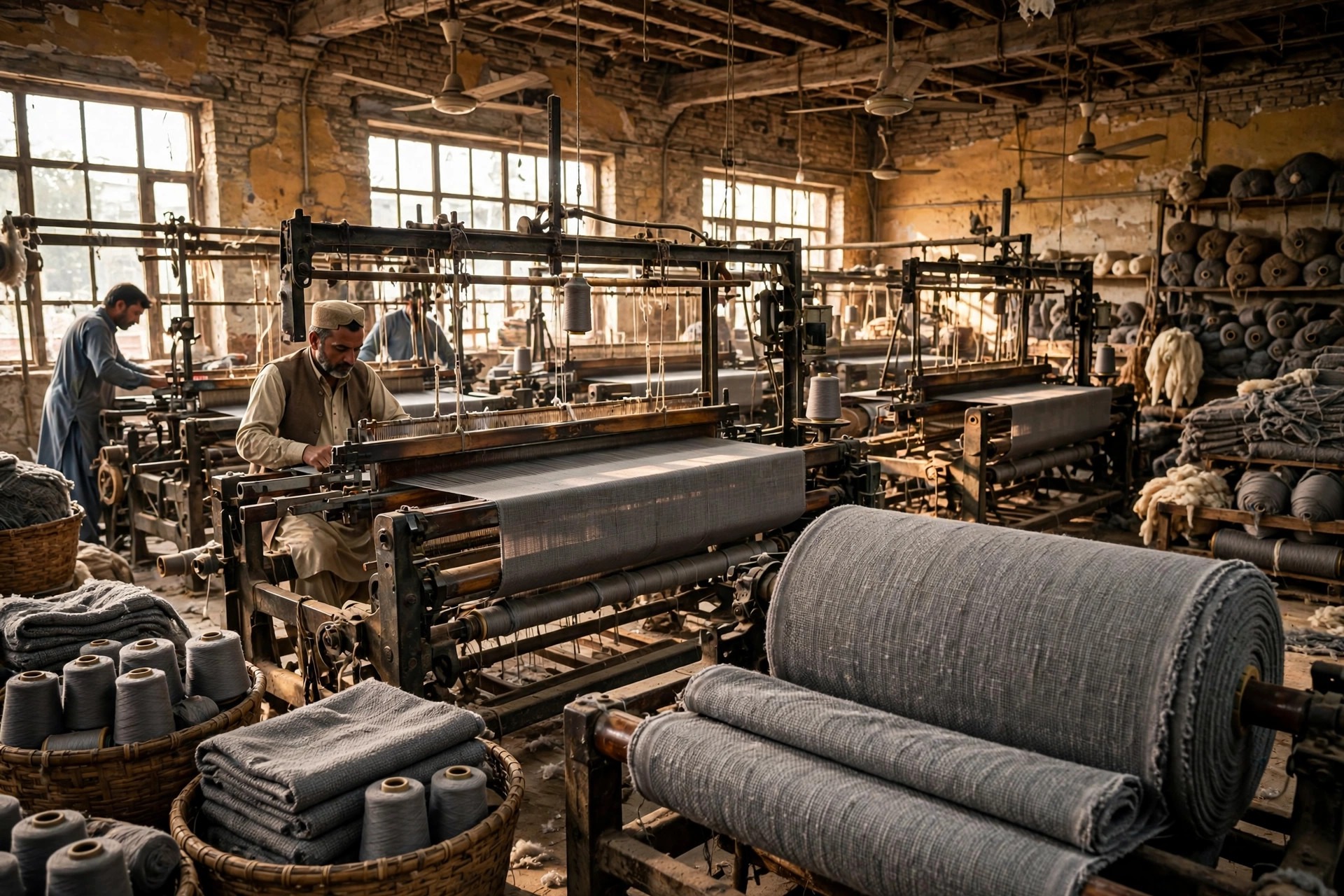
The Rafhan name is older than the company that now carries it. Rafhan began as a local venture founded by three brothers, in the telling preserved in Unilever's own executive interviews, and later entered a partnership with CPC International's foods business — the lineage that became Bestfoods. The sister enterprise, Rafhan Maize Products, had begun operating at Lyallpur (today's Faisalabad) in 1953 as a maize refiner; the brands business and the maize business eventually travelled separate corporate roads, a distinction that matters because Rafhan Maize — itself listed until its own recent history took it out of this index — is a different company from the Rafhan in UPFL's story.
The foods company took its modern shape in 1997, when it was incorporated as Rafhan Best Foods Limited, an affiliate of the American food company Bestfoods, and listed on the stock exchange. The fit was natural: Bestfoods owned Knorr globally, and Rafhan gave it a Pakistani manufacturing and brand base through which Knorr's cubes, soups and noodles could be built into local habits. When you read that UPFL was "founded in 1948" in some commercial databases, treat it as the lineage of the wider Rafhan enterprise rather than the incorporation of this listed vehicle — the dated milestones that can be verified are 1997 for Rafhan Best Foods, 2000 for the change of ultimate ownership, and 2007 for the name on the door today.
2000–2007: how a global takeover renamed a Karachi company
In 2000, Unilever acquired Bestfoods worldwide — a takeover its Pakistani executives have explained in one line: mainly for Knorr, then a brand measured in billions of dollars and still described by the group as among its largest. Overnight, without a single Pakistani factory changing hands locally, Rafhan Best Foods' ultimate parent became Unilever. What followed was a phased merger of the kind large groups run after acquisitions: management, sales and functions integrated step by step with Unilever Pakistan, while the legal company and its accounts remained separate — "we have merged everything except the books," as UPFL's chief executive put it in an Aurora interview, which is precisely why the company remains separately listed with its own board to this day. On 24 April 2007, Rafhan Best Foods Limited was renamed Unilever Pakistan Foods Limited, aligning the register with the reality.
The decades since have been a story of brand-building inside that settled structure. Company reports through the 2010s record Knorr as the growth engine — noodles building a children's snacking category, cubes and soups riding the everyday cooking occasion — and Rafhan consolidating its packaged-desserts leadership. The parent group's wider decisions washed through occasionally: Unilever's global portfolio moves, its Pakistani investment programmes in factories in the late 2010s, and the 2013 delisting of the sister company that left UPFL as the group's listed remnant. None of it changed the essential machine: strong brands, national distribution, and a foods-only P&L.
How UPFL makes money
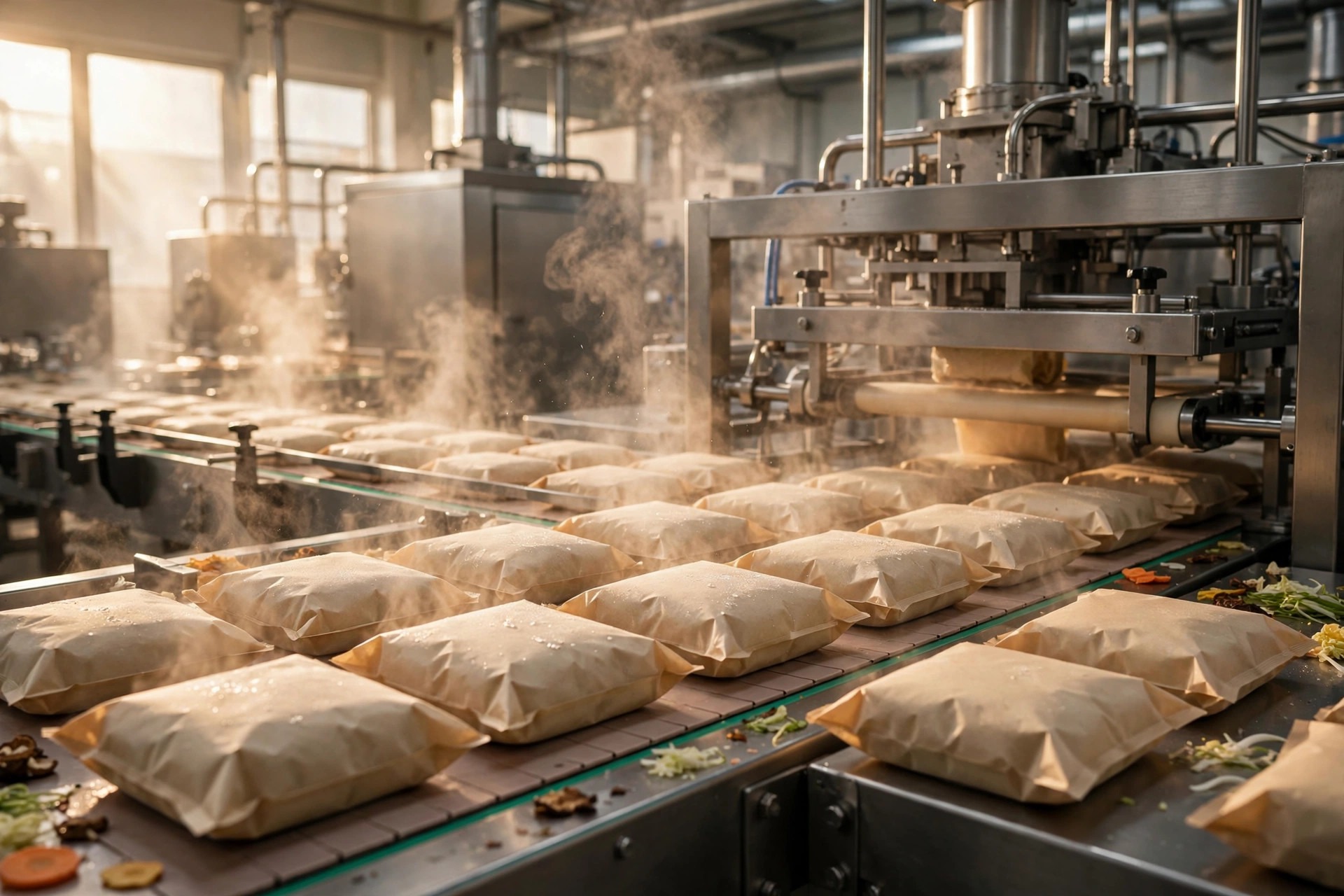
The model is branded consumer goods in its textbook form. Buy agricultural and processed inputs — wheat flour and noodles inputs, chicken and flavourings for cubes, sugar and gelling agents for desserts, packaging film and cartons in vast quantity — manufacture at scale, and sell small, frequently purchased packs through one of Pakistan's deepest distribution systems, from Karachi hypermarkets to the smallest rural kiryana. Profit is made in the space between commodity input costs and brand-supported prices: a recognised brand can charge for trust, taste consistency and convenience in a way an unbranded staple cannot, and can push new occasions — a noodle as an after-school snack, a cube as the base of daily cooking — that widen the whole category.
The pressures are equally textbook. Wheat, sugar, palm-derived inputs and packaging carry inflation and exchange-rate exposure; energy costs sit inside every factory; and the consumer's wallet sets the ceiling, because foods at these price points compete with the loose, unbranded alternative in the same bazaar. Brand investment — advertising, promotions, trade margins — is not discretionary decoration but the maintenance cost of the pricing power itself. Food-solutions sales to restaurants, caterers and institutions add a professional channel with different rhythms from the retail shelf. A reader of UPFL's results watches, in order: volume growth (are households buying more packs?), price and mix (are they buying dearer ones?), gross margin (did input inflation outrun pricing?), and the advertising line that connects the two.
A small listing with a heavyweight's habits
UPFL's presence in the KSE-100 gives the index something it otherwise lacks: a pure, high-quality consumer-foods exposure whose brands sit in daily use. Its market capitalisation relative to the tiny number of shares in public hands — the parent group holds the overwhelming majority — makes it one of the exchange's curiosities: a small float attached to a large enterprise value, with the index arithmetic of KSE-100 calculation (free-float adjusted) and rebalancing determining how that translates into index weight. Thin floats can mean infrequent trading and prices that move in steps; for students of the market, UPFL is the standing example of why float, not just size, shapes a share's behaviour.
For the group's part, the separate listing is a legacy it has chosen to keep: it preserves a listed foods vehicle with its own governance and minority shareholders, a structure outsiders periodically speculate about and the company periodically declines to change. Either way, the operational reality stays constant — the brands are run as part of Unilever Pakistan's foods business, whatever the register says.
What investors typically watch
Category growth in noodles, bouillon and desserts, and UPFL's share momentum against local and multinational rivals. Input-cost cycles — wheat, sugar and packaging — and how quickly pricing follows. Distribution reach, the quiet superpower of the Unilever system. New product launches, because in foods the pipeline is the future revenue line. And, given the share structure, corporate actions and any word from the parent about the listing itself, which historically move this stock more than any quarter does. The Aktzien learning library explains branded-goods economics — pricing power, mix and volume — for readers building their framework, and profiles like this one are the raw material that learning is meant to organise.
UPFL is, in the end, two inheritances in one company: Rafhan's local name and trust, built by a Pakistani family enterprise and its American partner, and Knorr's global brand machinery, delivered by a takeover signed on another continent. This article is educational content, not financial advice — but as a lesson in how global mergers quietly rewrite local share registers, few PSX companies teach it better.
Two brands, two kinds of loyalty
Knorr and Rafhan reward a closer look, because they illustrate opposite ways a food brand earns its place. Knorr is a global system: product formats developed across Unilever's worldwide foods business — bouillon, noodles, soups, meal-makers — localised for Pakistani palates and price points, and supported by advertising weight no local rival can match. Its cubes ride the daily cooking occasion, the most defensible position in food: a small, habitual, taste-defining purchase repeated weekly in millions of kitchens. Its noodles built something rarer, a new habit — the instant-noodle snack for children — in a market where wheat-based snacking had meant something else entirely. Company reports in the early 2010s already described Knorr growing at multiples of the company's average and noodles reaching the top of children's minds; the category-building continued from there.
Rafhan's loyalty is of the other kind: inherited. A housewife who reaches for Rafhan custard or jelly is often reproducing a taste her own mother's kitchen established — desserts at Eid, custard with jelly at family dinners, cornflour in a hundred unnamed recipes. The brand's decades in Pakistani homes, stretching back through the Rafhan enterprise's earlier corporate lives, are a form of capital no advertising budget can quickly buy, and Unilever's handling of it reflects that: the Rafhan name stays prominent on the pack, the Unilever mark discreet, because — as the company's own leadership has explained — consumers buy brands, and Rafhan's values are its own. Energile and Glaxose-D occupy a third niche, the functional drink, sold on energy and recovery occasions from school sports to convalescence.
Together the portfolio explains UPFL's resilience across managements and owners. Companies can be renamed, merged and delisted around it; the contents of the kitchen cupboard change far more slowly. For an investor reading the sector, that is the essential consumer-goods insight — distribution can be built and brands can be bought, but a forty-year place in the national dessert bowl is an asset that appears nowhere on the balance sheet and underlies most of what is on it.
A word, finally, about what UPFL is not. It is not Unilever's whole Pakistani business: detergents, soaps, shampoos, tea and the rest of the group's famous portfolio sit in the unlisted Unilever Pakistan, whose shares the public cannot buy. Investors who reach for UPFL as "the Unilever stock" own the foods shelf only — noodles, cubes, desserts and drinks — and should read its results accordingly, as a pure foods business with foods economics: agricultural inputs, brand advertising and high-frequency, low-ticket sales. That purity is precisely its analytical charm. In a market where most large consumer companies bundle a dozen categories together, UPFL lets a reader watch one category's engine — Knorr's savoury growth — with unusual clarity, quarter after quarter.
Key takeaway: Unilever Pakistan Foods began as Rafhan Best Foods in 1997, passed to Unilever through the 2000 Bestfoods takeover and took its present name in 2007 — a separately listed, foods-only company whose Knorr and Rafhan brands remain on Pakistan's shelves and in the KSE-100.