KARACHI: Every insurance policy sold in Pakistan rests, invisibly, on another policy most policyholders will never see. When a factory insures its plant, a shipping line insures its cargo or an airline insures its hull, the insurer facing the customer quietly passes part of that risk upward — to a reinsurer, the insurer of insurers. In Pakistan, one company has occupied that top seat for the whole modern history of the industry: Pakistan Reinsurance Company Limited, PAKRI on the Pakistan Stock Exchange. It is the country's sole reinsurer, a state-controlled company headquartered in Karachi, and the direct heir of the Pakistan Insurance Corporation of 1952. To understand Pakistani insurance, you eventually have to understand PAKRI, because almost every large risk in the country touches it somewhere.
From the Pakistan Insurance Corporation of 1952
The company's roots reach back to the first decade of the state itself. The Pakistan Insurance Corporation (PIC) was established in 1952 under the PIC Act 1952, in an era when the young country was building its financial plumbing from scratch — a central bank, development finance institutions, and a mechanism to stop insurance premiums flowing straight out to foreign reinsurers. PIC's purpose was exactly that retention logic: give Pakistan's growing insurance market a national reinsurance home, so that a share of the risk, and the premium, stayed in the country and the foreign exchange stayed with it.
For nearly five decades PIC operated in that statutory form, working under the Ministry of Commerce. The reorganisation came with the new century. Pakistan Reinsurance Company Limited was incorporated as a public limited company on 30 March 2000, and in 2001 — under the Pakistan Insurance Corporation (Re-organization) Ordinance, 2000 — it took over all the assets and liabilities of the former PIC, which was dissolved. The business, the people and the mandate continued; the legal clothes changed from a statutory corporation to a listed company. That is why sources differ on PAKRI's age: the company in its present form dates from 2000–01, but the institution it carries forward dates from 1952, only five years after independence.
What a reinsurer actually does
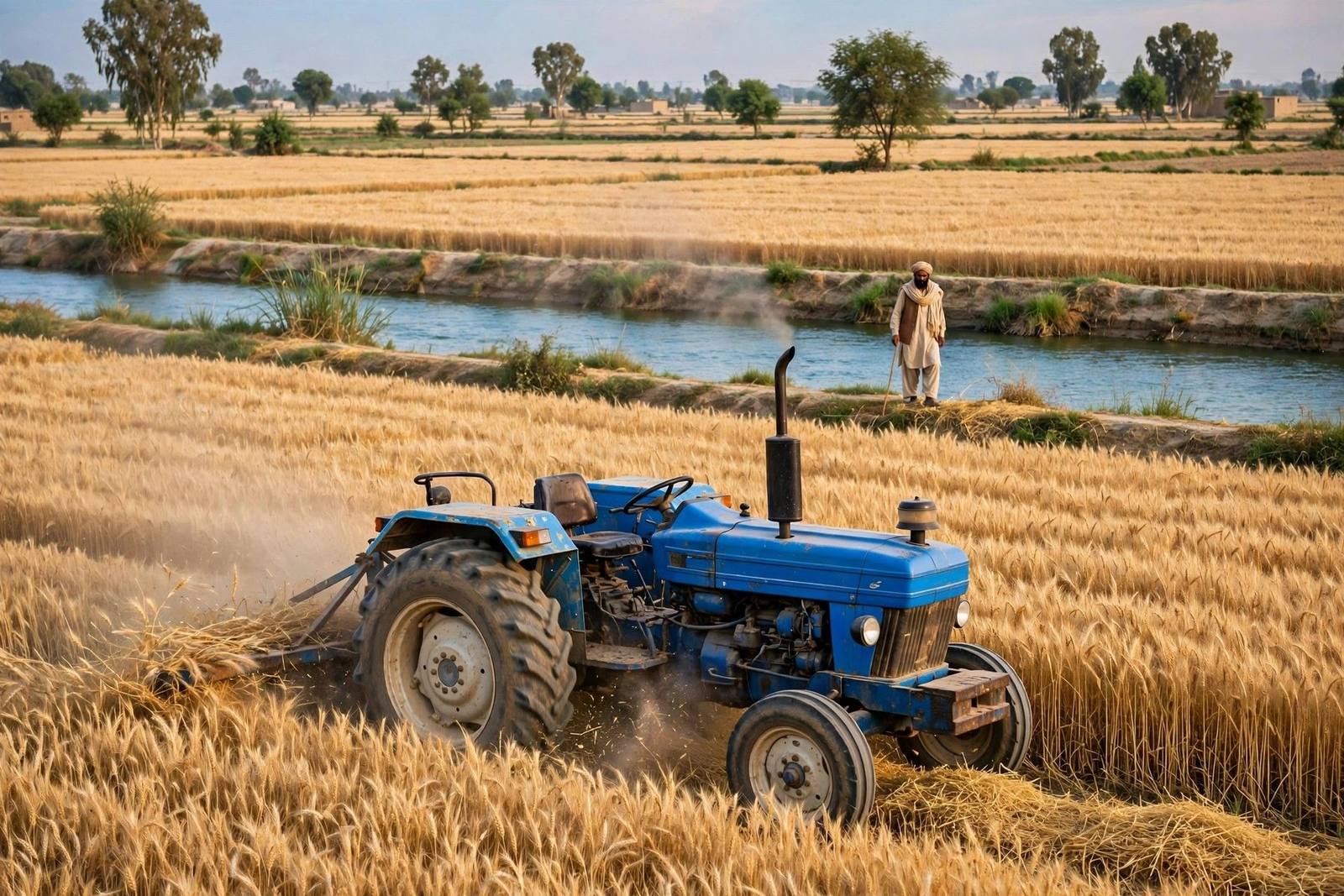
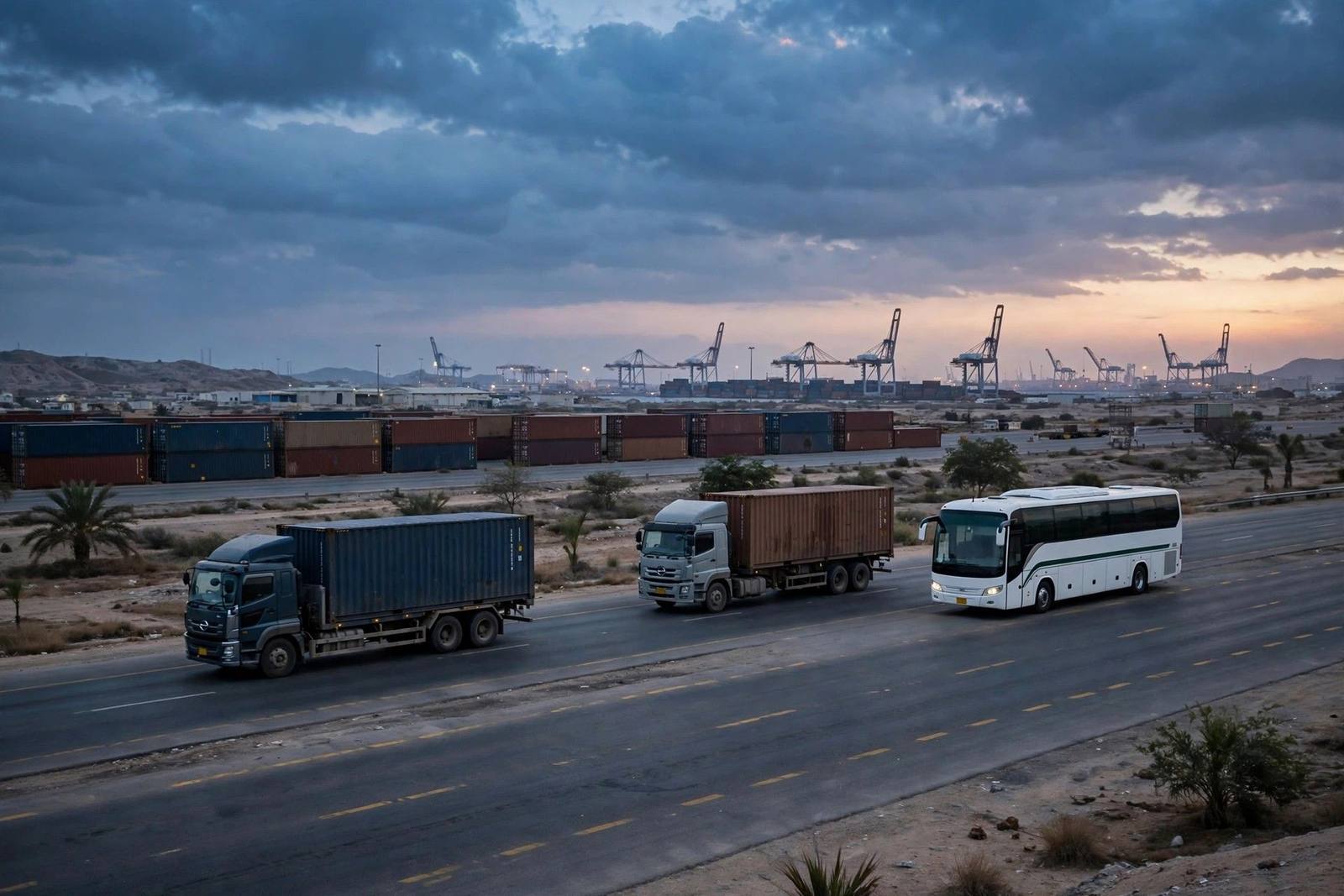
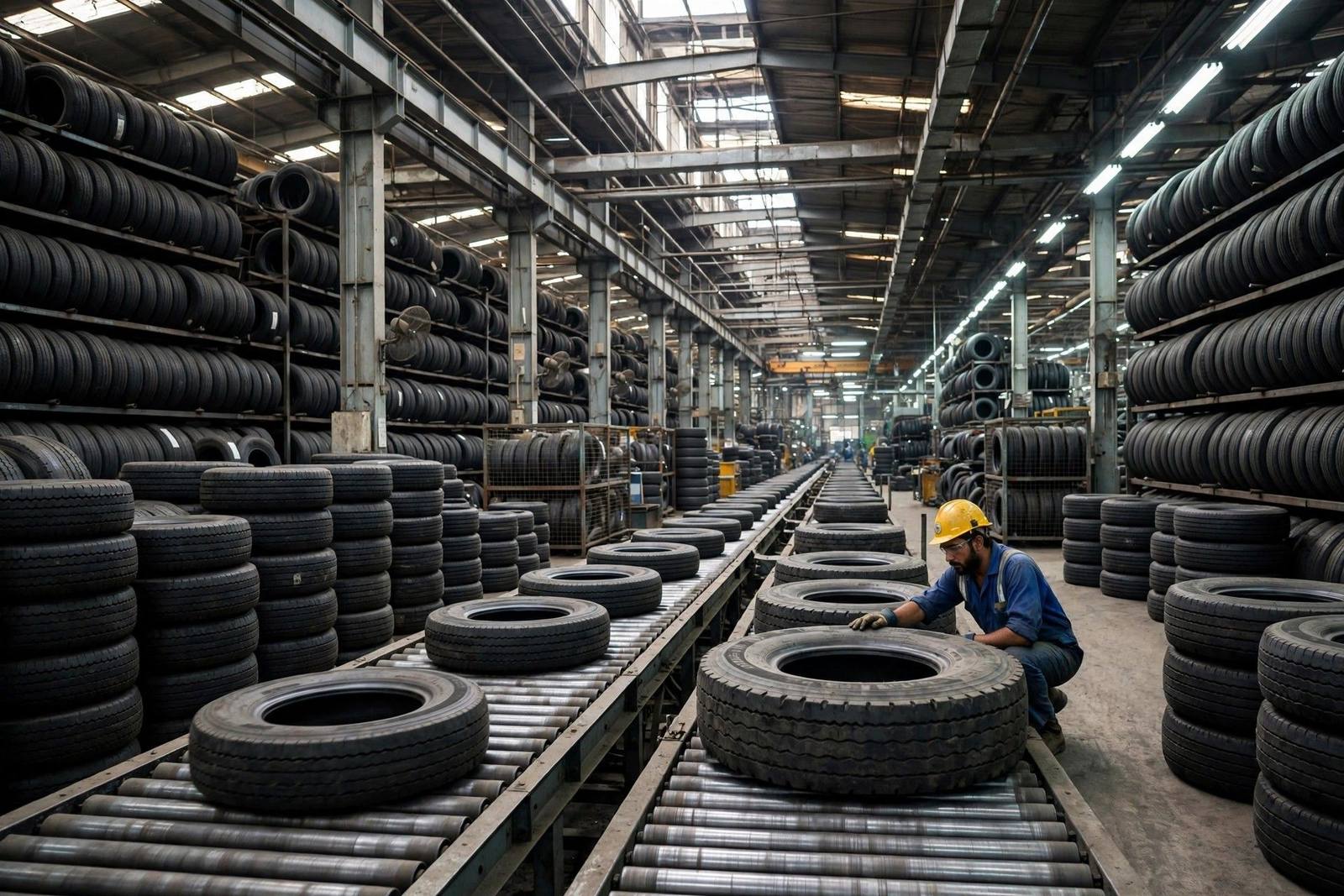
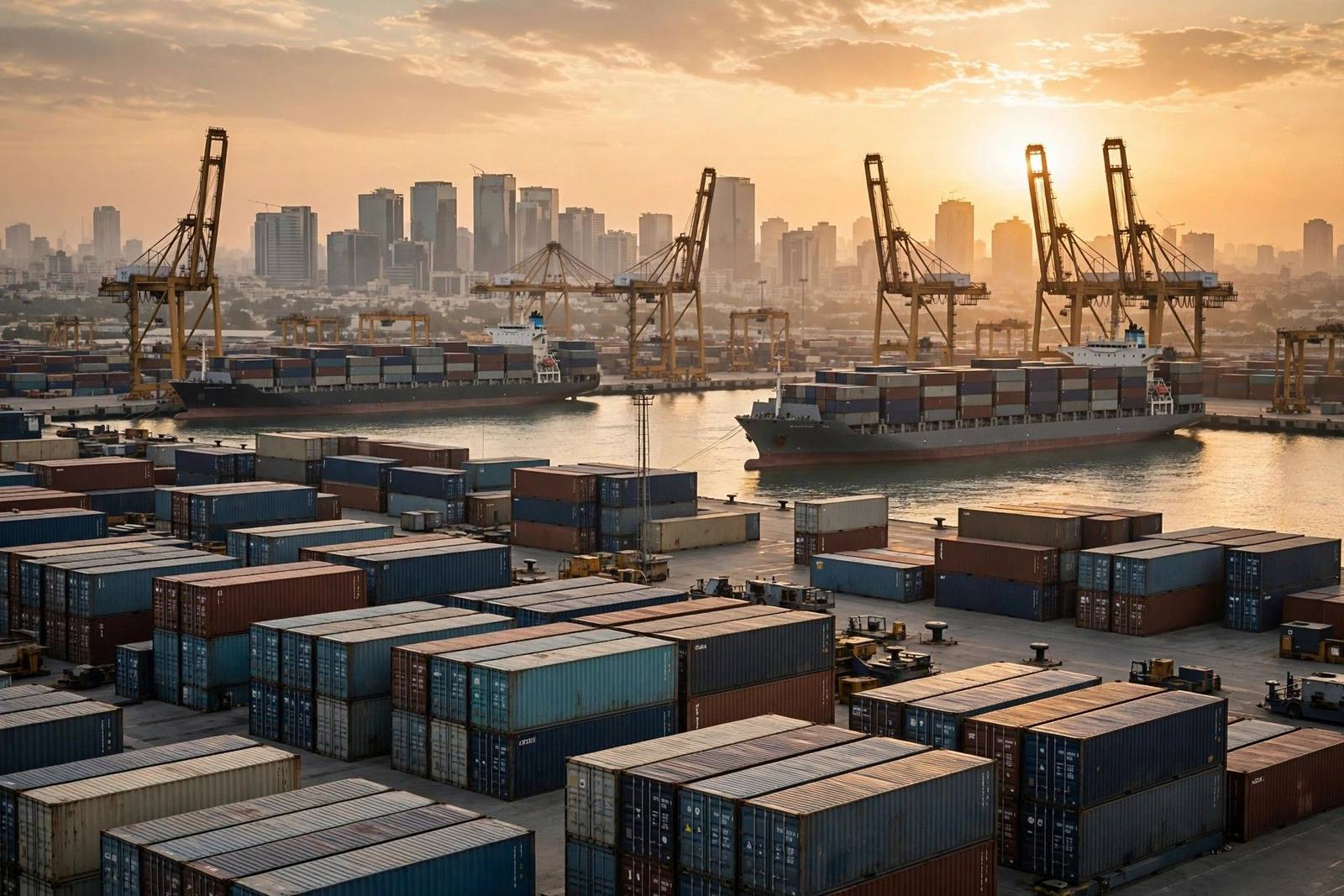
Reinsurance comes in two basic shapes, and PAKRI works in both. Under treaty reinsurance, a local insurer cedes a defined share of an entire class of business — say, a percentage of all its fire policies — to the reinsurer automatically, under a standing agreement. Under facultative reinsurance, a single large or unusual risk — a power plant, a refinery unit, a major infrastructure project — is offered and priced case by case. PAKRI's own reporting segments show the map of risks it stands behind: fire, marine cargo, marine hull, accident and others, aviation, engineering, and treaty business. Read that list slowly and you have a cross-section of Pakistan's formal economy: its ports and shipping, its airlines, its factories and its construction sites.
The company's stated role goes beyond commerce. As the national reinsurer it exists to develop insurance and reinsurance business in Pakistan, to provide local reinsurance protection to domestic insurers, and to enhance the country's foreign-exchange retention capacity — every risk reinsured in Karachi is premium that does not have to be bought in London, Singapore or Dubai. It also works with international counterparts, including through the Economic Cooperation Organization's reinsurance cooperation and as a founder member of the Federation of Afro-Asian Insurers and Reinsurers (FAIR), the body that promotes cooperation among insurers across Africa and Asia.
Ownership: a state company on a public register
PAKRI is a public-sector company working as an autonomous body under the administrative control of the Ministry of Commerce, and the Government of Pakistan, through that ministry, is its largest shareholder. Around that state core sits a mixed register — state-linked institutions, an employees' trust and public shareholders who bought in through the stock market, where the company's shares have been quoted for decades. Government divestment has been a recurring theme rather than a settled event: in August 2020 the Cabinet Committee on Privatization approved divestment of government stakes in the company through public offerings, and offer documents prepared for that process remain the fullest public telling of the company's own history. Whether any given tranche is sold in any given year is a policy decision; the structural fact for a student of the stock is simpler — this is a state-controlled reinsurer with a public float, and both halves of that description matter.
In September 2018 the company added a Shariah-compliant string to its bow, receiving SECP authorisation to undertake Window Retakaful Operations — the Islamic counterpart of its conventional business — so that takaful operators, too, could cede risks to the national reinsurer without leaving the country or the Shariah framework.
How PAKRI makes money
The revenue logic mirrors a direct insurer's, one level up. PAKRI receives ceded premiums from local insurers under its treaties and facultative placements, earns those premiums over the cover period, and pays its share of claims when the underlying losses occur — a refinery fire or a flooded industrial estate can therefore appear in PAKRI's results even though PAKRI never met the original policyholder. On top of underwriting, it earns investment income on the reserves and float its business generates, held substantially in the instruments Pakistani financial institutions conventionally hold. Its head office at PRC Towers in Karachi's Lalazar district, with a zonal office in Lahore, runs a surprisingly lean operation for the scale of risk it touches: reinsurance is a wholesale business of contracts and counterparties, not a branch-and-agent business like the retail insurers profiled in our overview of insurance stocks on the PSX.
Two features make its economics distinctive. First, retention is policy as much as profit: for much of its history, Pakistani insurers were required to cede a portion of their business to the national reinsurer, a compulsory-cession architecture common in developing insurance markets, designed to build local capacity and keep premium at home. The degree of compulsion has been debated and adjusted over the years as the market liberalised, but the principle explains PAKRI's permanence: it was built into the market's plumbing, not merely competing in it. Second, its book is concentrated in Pakistan's largest risks by design. A direct insurer like Askari General Insurance or Asia Insurance spreads risk across thousands of motor and fire policies; PAKRI accumulates slices of the biggest single exposures in the country, which makes its underwriting results lumpier and its reserving discipline — how honestly it estimates claims still to come — the number that matters most.
Strengths, risks and controversies
The strengths are structural. PAKRI is the sole domestic reinsurer, the default counterparty of an entire industry, with seven decades of institutional memory in pricing Pakistani risk, relationships with global reinsurers for the risks too large even for it, and a mandate that aligns its existence with a permanent policy goal — retaining premium and foreign exchange. Its Karachi headquarters sits in the same few streets as the industry it serves.
The risks follow from the same design. Concentration cuts both ways: a catastrophic flood year, a major aviation or engineering loss, or a cluster of large fire claims lands disproportionately on the national reinsurer's book. State ownership brings the familiar trade-offs of Pakistan's listed state enterprises — strategic patience and public purpose on one side; board turnover, bureaucratic pace and periodic privatisation uncertainty on the other, a pattern our guide to privatisation in Pakistan traces across sectors. There is also a competitive horizon to watch: liberalisation arguments recur in Pakistani insurance debates, and any future licensing of private reinsurers, or a reduced role for compulsory cessions, would change the sheltered position PAKRI has always known. Finally, like all insurers, its investment book ties its results to interest rates and government securities — in soft underwriting years, the investment line carries the result; in hard ones, it is asked to.
Operationally, the institution is compact for its responsibilities. The Karachi head office carries the treaty and facultative underwriting, the accounts and the relationships with the direct insurers whose cessions are its raw material; the Lahore zonal office keeps it present in the northern market where much of the ceding industry also sits. Its specialist staff — reinsurance underwriters and actuaries are scarce skills in Pakistan — are a meaningful part of the national industry's human capital, one reason the company's training and development role has historically extended beyond its own payroll. When Pakistani insurance professionals speak of the market's memory — of how the last great fire, flood or aviation loss was priced and settled — a disproportionate share of that memory works, or once worked, in PRC Towers.
The name on the PSX
PAKRI trades on the Pakistan Stock Exchange under exactly that ticker, in the insurance sector, with a December year-end. It is one of the more historically resonant tickers on the board — a 1952 institution in listed form — and its trading character reflects its register: a meaningful state holding, institutional holders, and a public float that can be quiet for stretches and busy around results, dividend announcements and any revival of divestment news. Students comparing it with direct insurers should remember they are looking at a different animal: wholesale, concentrated and policy-shaped, rather than retail and diversified. The payout mechanics for any dividend it declares are the standard market ones described in how PSX dividends work.
Why Pakistan built a national reinsurer — and what could change it
The logic that created PIC in 1952 deserves a moment's respect, because it still frames the policy debate. A developing country with a thin insurance market faces a leakage problem: local insurers collect premiums in rupees, but the large risks they write exceed their capacity, so they reinsure abroad and the premium — scarce foreign exchange — leaves. A national reinsurer interrupts that flow twice over. It gives local insurers a domestic counterparty for their cessions, and its own retrocession programme — the reinsurance a reinsurer itself buys from global markets — can be arranged at a scale and price no single local insurer could negotiate. The foreign exchange retained is not a slogan; it is the arithmetic difference between premium kept in Karachi and premium wired to London.
What could change PAKRI's position is equally structural. If Pakistan's insurance market deepens — more insured factories, more insured homes, a motor-insurance regime with real enforcement — the national reinsurer's book deepens with it, because it stands behind the market as a whole. If regulators license private reinsurers, or if large local insurers increasingly place cessions directly with global reinsurers and brokers, the shelter thins and PAKRI must compete on service and capacity rather than position. And climate is rewriting the underlying risk table: the flood losses Pakistan has suffered in recent decades are the kind of correlated, country-wide events that test any national risk-carrier's reserving and retrocession. Reading PAKRI well means holding all three futures in mind at once — deeper market, livelier competition, heavier weather — because its accounts will register each of them before most companies' do.
That wholesale character also explains the company's public profile: it announces little, advertises nothing to consumers, and yet appears in the fine print of an entire industry's annual reports, where ceding companies name their reinsurers. Few listed companies are so important and so invisible at the same time.
What kind of investor studies PAKRI
PAKRI rewards the investor who likes infrastructure in the financial sense — the unglamorous institution a whole market quietly depends on. Studying it teaches how reinsurance treaties work, why developing countries build national reinsurers, how compulsory cessions shape a market, and how state ownership changes a listed company's rhythm. It is also, unavoidably, a study in Pakistan itself: its results aggregate the fire, flood, marine and engineering experience of the entire formal economy, summarised in one company's accounts. This profile is educational content, not financial advice; the Aktzien learning library covers the insurance and market basics behind it for readers starting from the beginning.
Key takeaway: PAKRI is Pakistan's sole reinsurer and the listed heir of the 1952 Pakistan Insurance Corporation: state-controlled, Karachi-based, it stands behind local insurers' largest risks through treaty and facultative reinsurance, conventional and retakaful alike.