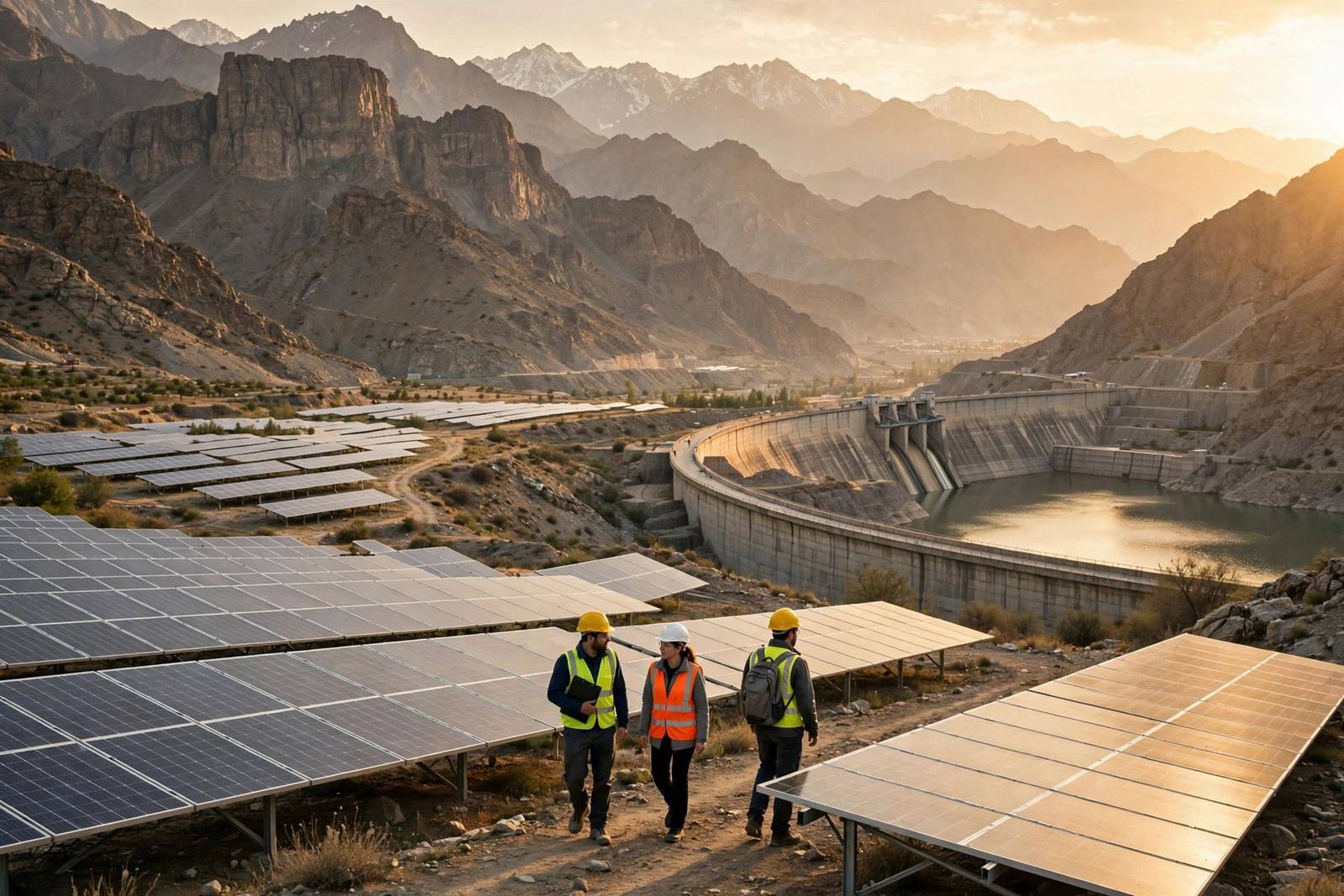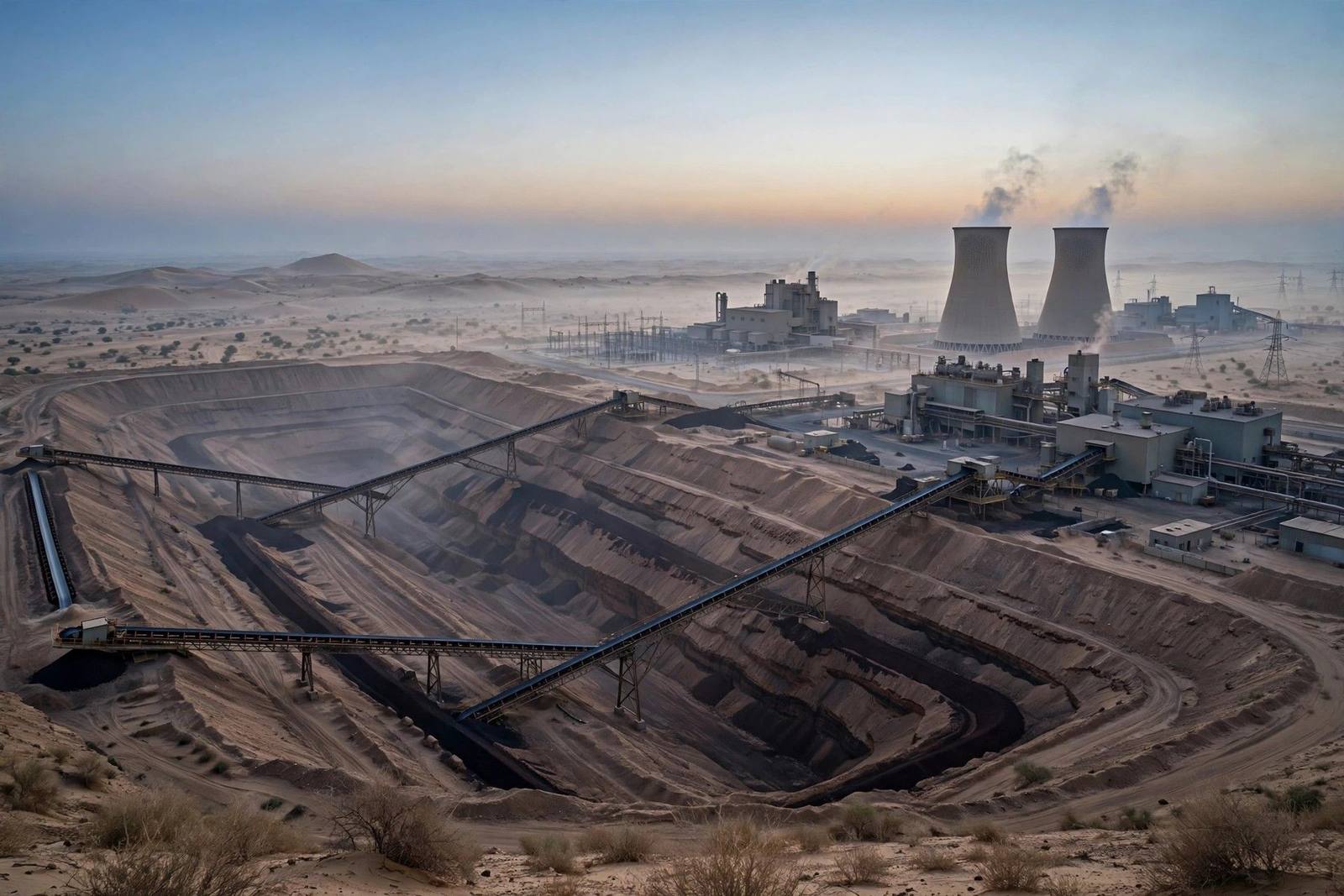
Thar coal explained: the desert energy bet under Sindh
Open pits, mine-mouth power stations and a transformed district: how Sindh's lignite became real electricity, and the water and carbon bills that came with it.
New in-depth guides: Pakistan's regulators and clearing house, credit ratings, green sukuk, prize bonds, National Savings, IPS accounts, TFCs and how IPO book building works. Educational content only, not financial advice. Continue with the previous page, the first market guides or the 44 Learn guides.
Open pits, mine-mouth power stations and a transformed district: how Sindh's lignite became real electricity, and the water and carbon bills that came with it.
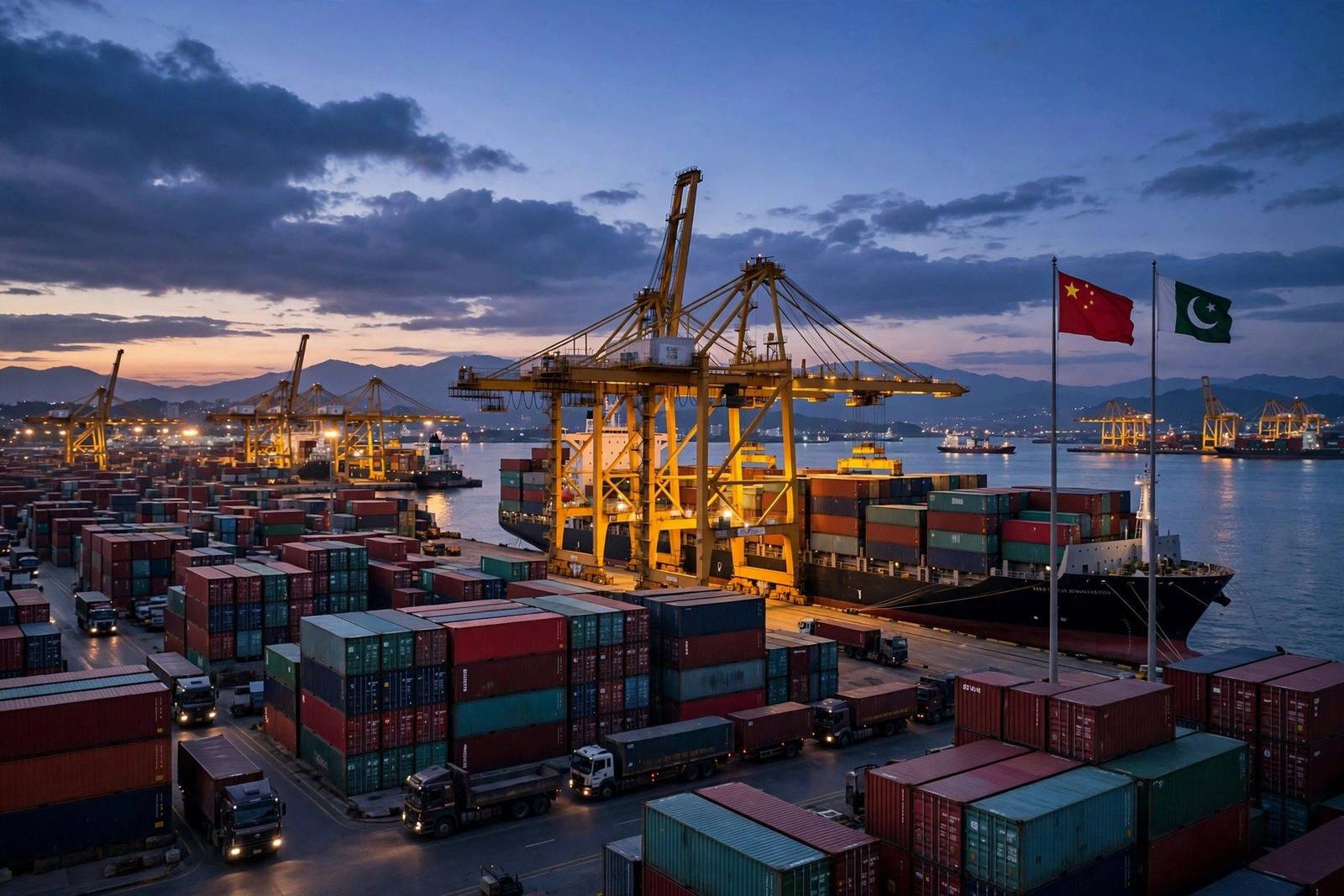
Machinery in, yarn and rice out: how the two-phase China FTA was built, why the bilateral gap stays so wide, and what could realistically narrow it over time.
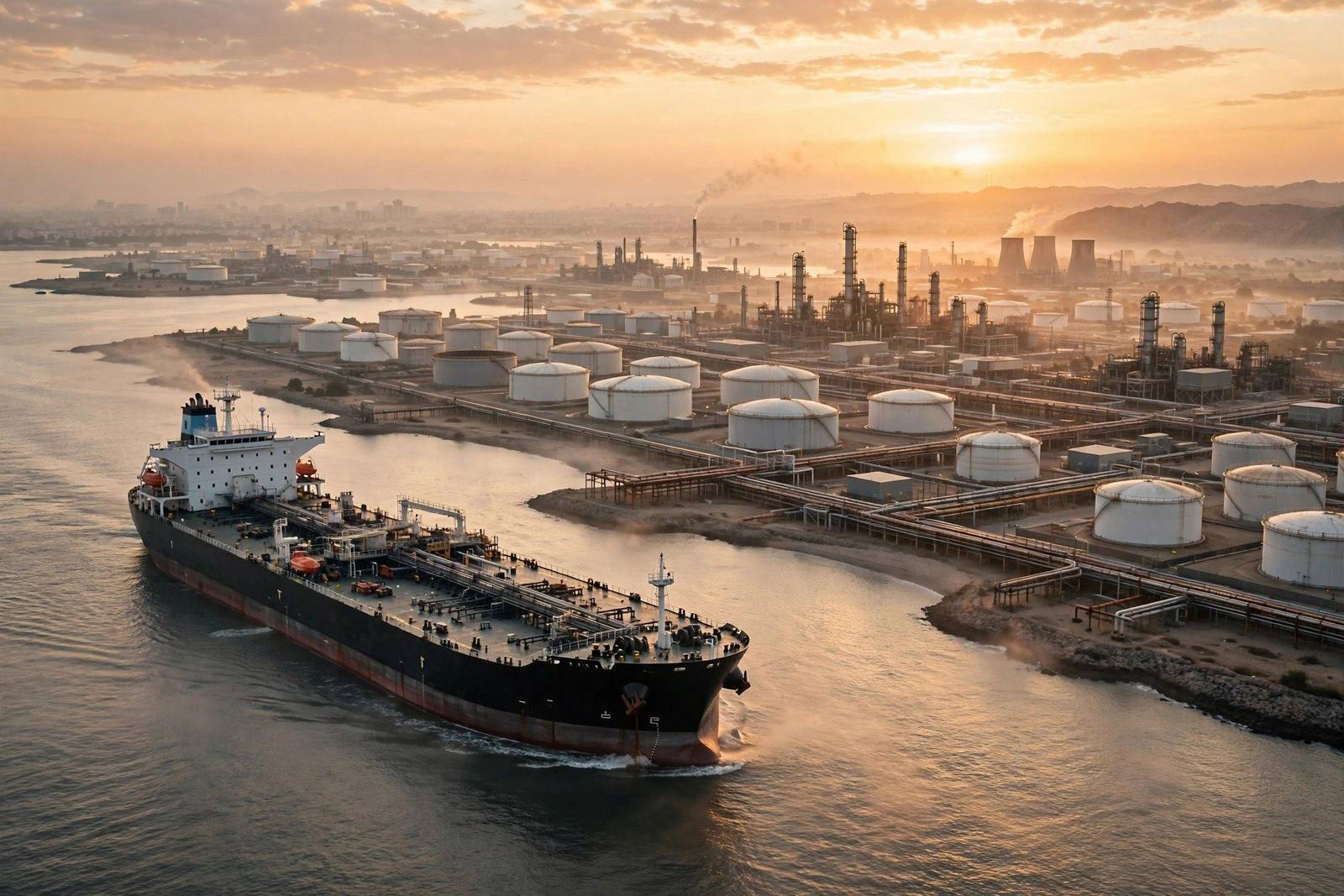
Crude in, products in, dollars out: what Pakistan imports, how pump prices are set, and why one commodity line dominates the country's external accounts.
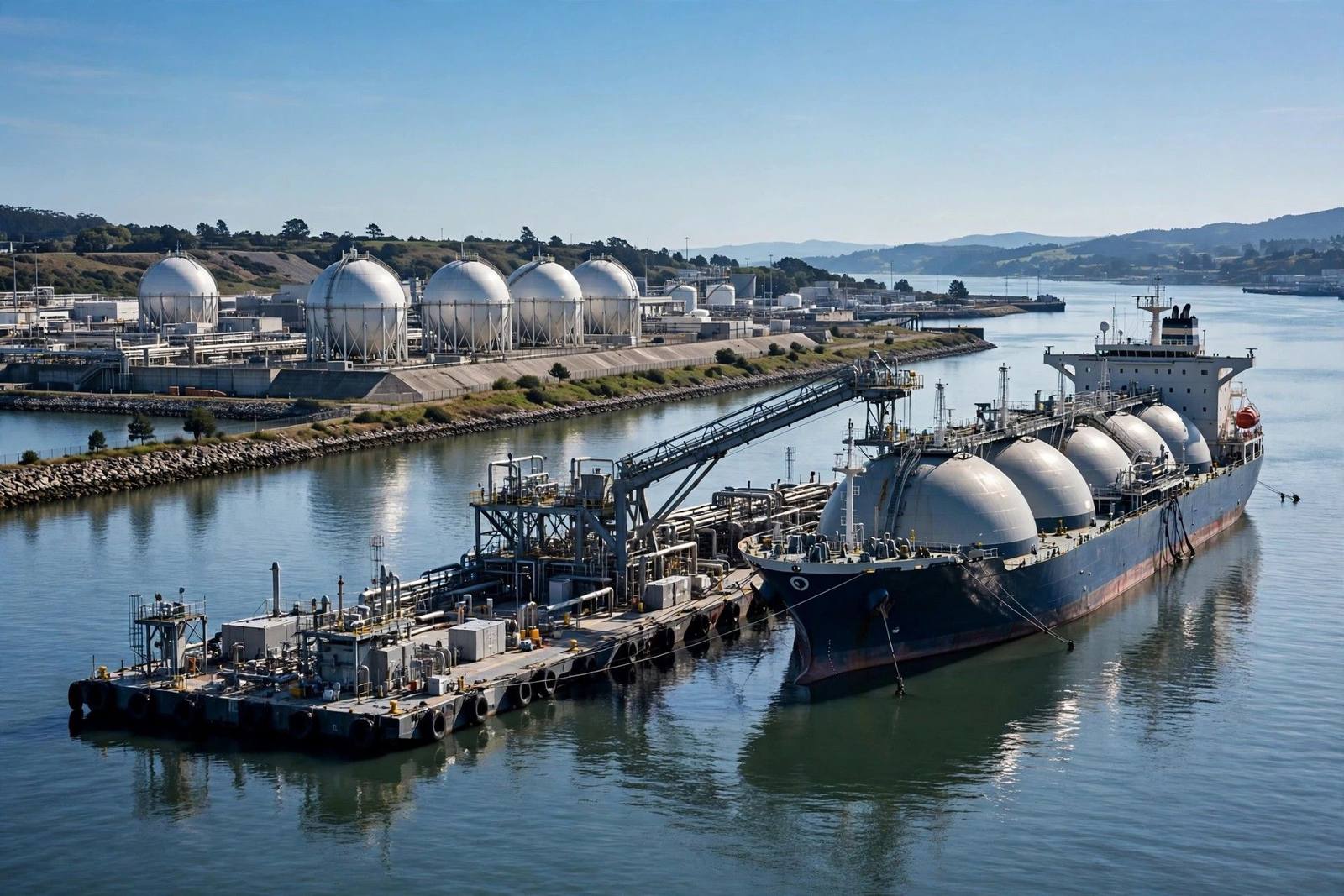
From minus-162-degree cargoes to your winter stove: how LNG imports work, what the Qatar contracts and terminals charge, and why the pricing never stops arguing.
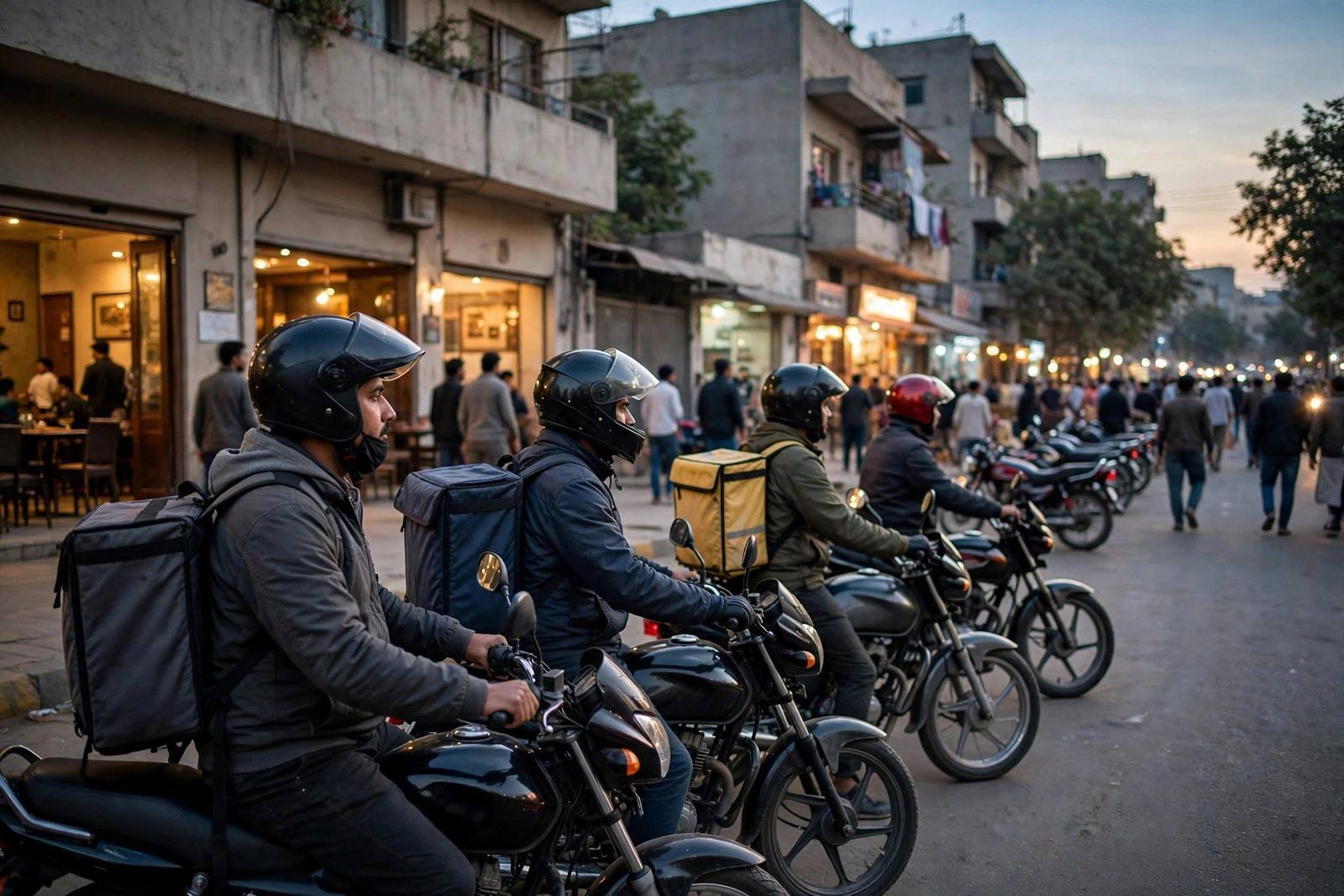
Per-drop pay, algorithmic bosses and no safety net at all: how Careem drivers, food riders and bike couriers actually earn, and what the model costs them.
CKD kits, tariff walls and own-money premiums: how auto policy shapes what Pakistan drives, what it costs, and why new entrants changed choice more than prices.
Companies, brokers, funds and insurers under one roof in Islamabad: what the SECP licenses, polices and enforces — and how an investor actually uses it.
Policy rates, reserves, bank supervision and Raast: the daily work of Pakistan's central bank, its statutory powers, and the limits it cannot cross today.
Every share you buy passes through one clearing house first. How the NCCPL nets trades, collects margins, gathers capital gains tax and guarantees settlement.
Two agencies grade almost every bank, company and bond in Pakistan. How PACRA and VIS build a rating, what the letters mean and where their limits lie.
Pakistan now borrows for dams, solar and clean transport through Shariah-compliant green sukuk. How the label is earned, checked and bought by ordinary savers.
No profit, no interest — just a draw ticket backed by the state. How prize bonds work, why the big bearer bonds were withdrawn and what replaced them.
Defence certificates, Behbood, monthly income schemes and Sarwa Islamic accounts: the full National Savings shelf, who each scheme serves and what to check.
Skip the mutual fund and buy the government's own paper directly. How an IPS account holds your T-bills, PIBs and sukuk at the State Bank, in your own name.
Built for Pakistanis abroad, bought through a Roshan Digital Account and fully repatriable. How Naya Pakistan Certificates work, in dollars, rupees and more.
A TFC is you lending to a company, with a trustee, a rating and a coupon. How Pakistan's corporate bonds are issued, traded, taxed and — sometimes — defaulted on.
Paid before ordinary shareholders, capped like a lender, voting rarely: preference shares sit between equity and debt. How Pakistan's versions are built.
A fund you buy like a share, at a price the market chooses — often below the value of what it owns. Closed-end funds, their discounts and Pakistan's shrinking list.
Pakistan's committees rotate a monthly pot through a circle of savers with no bank, no interest and no regulator. How the ROSCA works, its hidden costs and risks.
Foreign currency accounts let Pakistanis hold dollars with local banks under State Bank rules. What may go in, what may come out, and the 1998 freeze that shapes trust.
One email now. A clearer investing experience later.