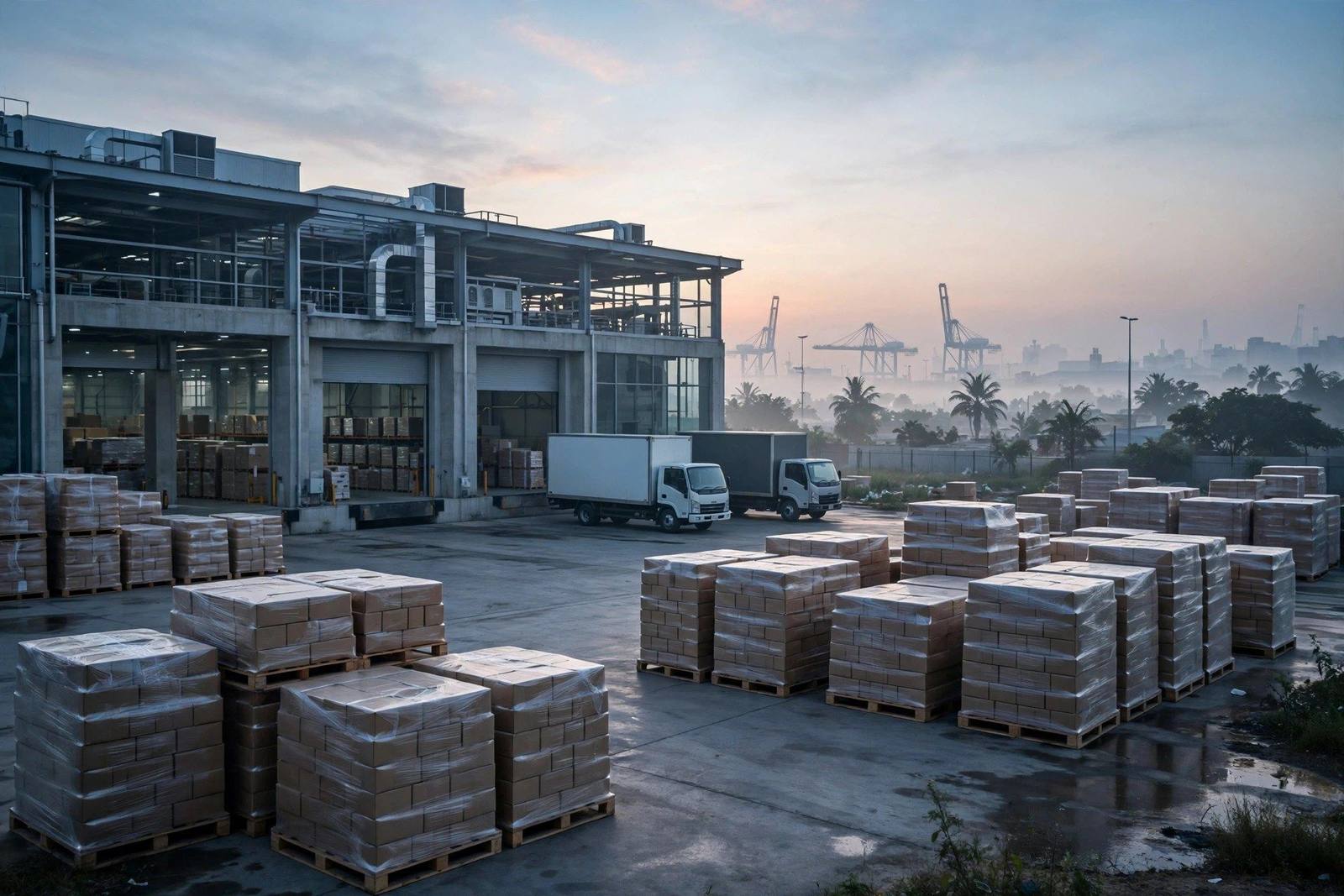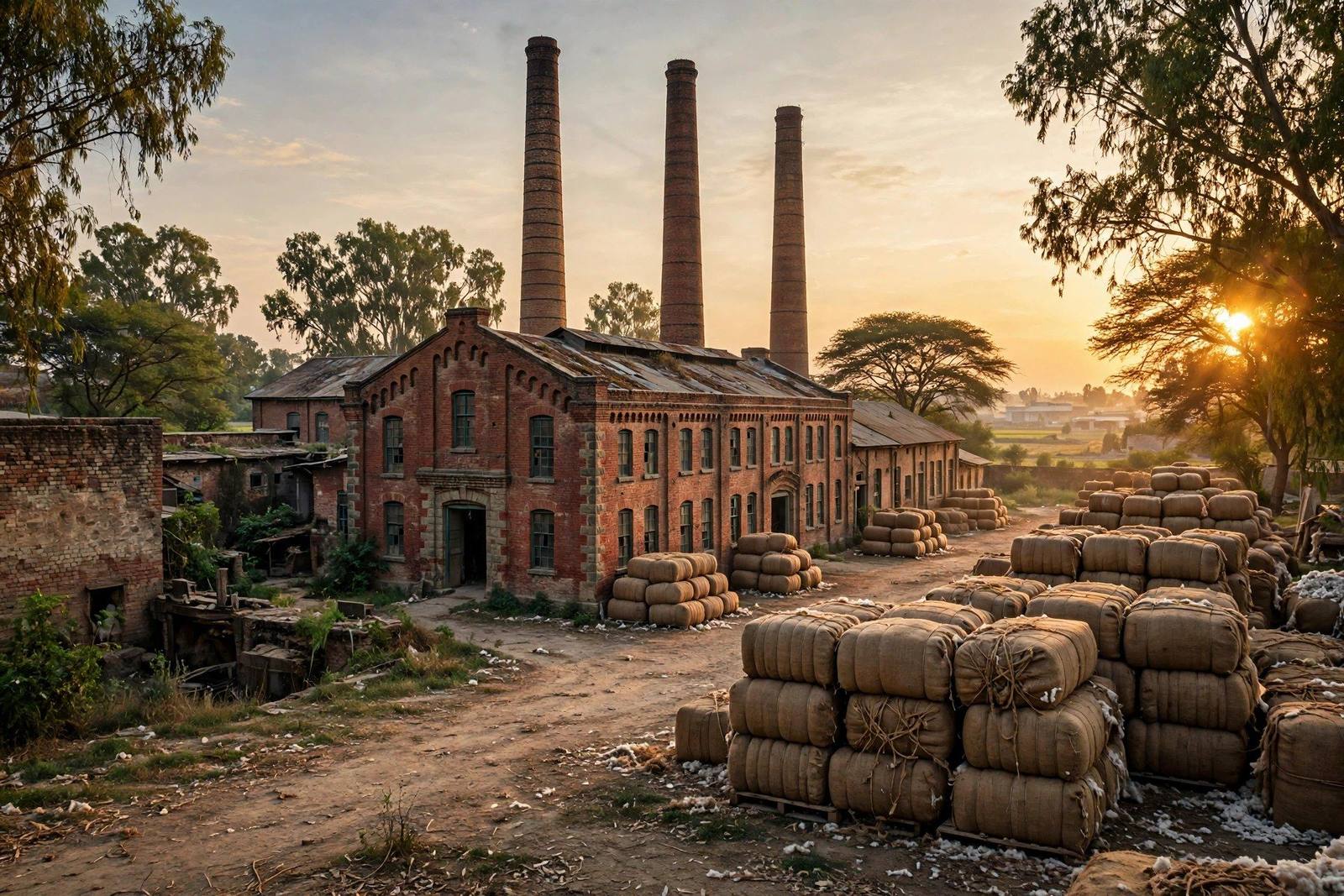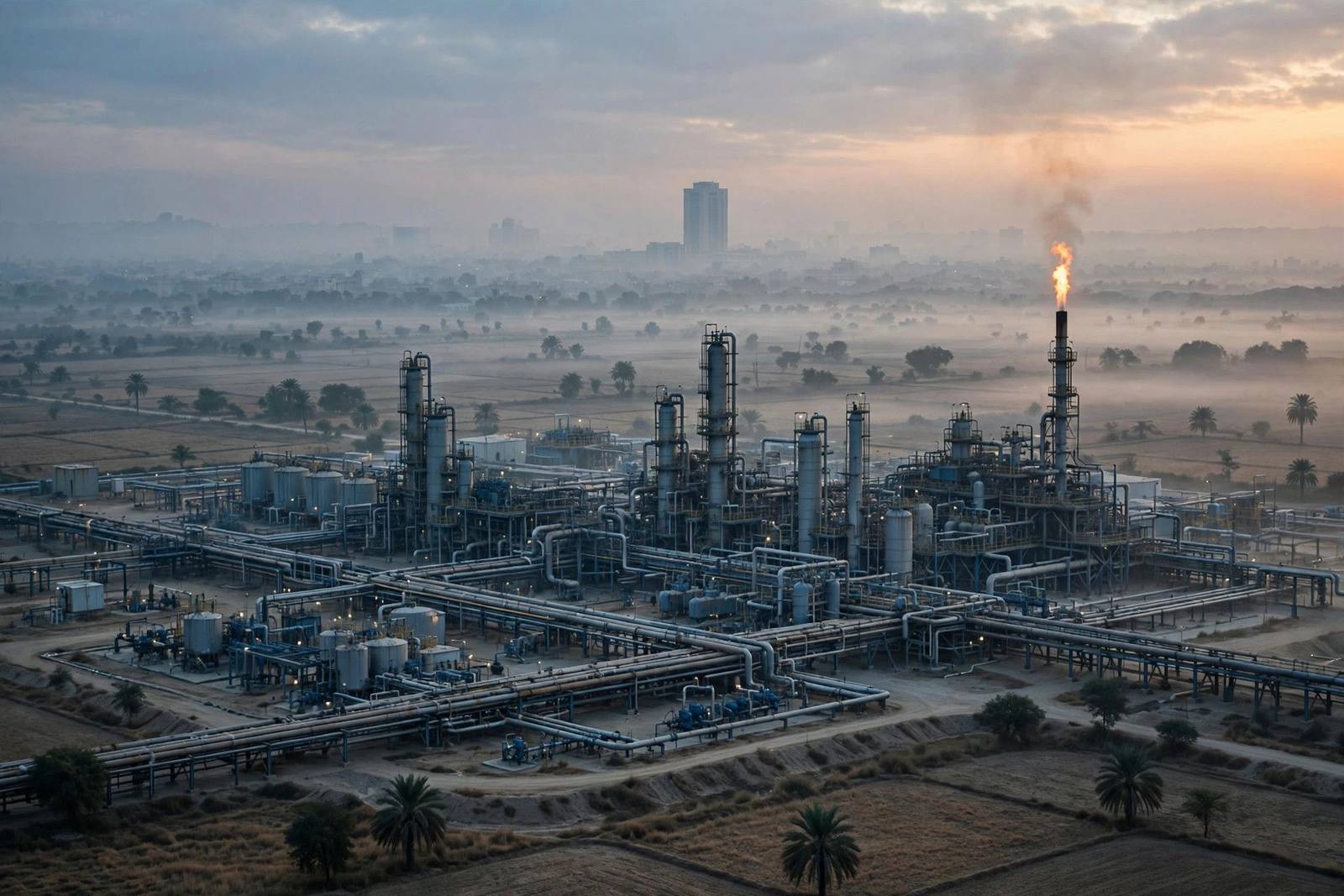
KARACHI: The largest shareholder on the Pakistan Stock Exchange is not a fund, a family or a foreign investor. It is the Government of Pakistan. Through ministries, state funds and holding structures, the state controls a listed empire spanning oil and gas exploration, power generation, banking, insurance, gas distribution, shipping and manufacturing — companies whose shares any investor can buy, whose dividends flow substantially to the exchequer, and whose boardrooms sit at the exact intersection where public policy meets minority shareholders' money. These state-owned enterprises, SOEs, are simultaneously the PSX's bluest chips and its most complicated stories: profitable cash machines in one decade, circular-debt casualties in the next, perennial privatisation candidates throughout. This guide maps the empire, explains how state ownership changes the way these companies earn, spend and pay, and sets out what an investor is really buying when they buy a piece of the government.
Mapping the listed empire
The empire's commanding heights are energy. Oil & Gas Development Company and Pakistan Petroleum Limited — the exploration giants profiled in our company pages for OGDC and PPL — sit at the top of the market by weight and history, majority state-held, earning dollar-linked revenue from the country's gas fields. Around them stand the gas utilities Sui Northern and Sui Southern, the listed monopolies piping gas across Punjab, Khyber Pakhtunkhwa and Sindh and Balochistan respectively; Pakistan State Oil, the largest oil marketing company; power names such as KAPCO in the listed fleet; the refineries with state shareholdings; and beyond energy, National Bank of Pakistan among the big listed banks, State Life's unlisted dominance aside, the state general insurers and reinsurer, Pakistan National Shipping Corporation, and industrial holdings inherited from earlier decades. Many reached the market through the partial listings of the 1990s and 2000s, when governments sold minority stakes while retaining control — listing without privatising, in the phrase that defines the sector.
That origin story matters, because it explains the empire's defining ratio: the state typically holds a controlling or near-controlling stake, a free float of shares trades publicly, and the companies are governed formally as commercial listed entities — boards, audits, PSX disclosure, SECP oversight — while their controlling shareholder pursues objectives no ordinary sponsor would: supplying gas below cost for social reasons, absorbing the fuel of national development, holding tariffs for political calm, employing beyond commercial need. An investor in these names is therefore never buying a pure business. They are buying a business with a policy passenger on board — sometimes a generous one, as when state backing steadies a company through crisis, sometimes an expensive one, as when the same company is directed to carry the sector's losses. Pricing that passenger, in either direction, is the core skill of reading SOEs.
How SOEs earn: the state on both sides of the counter
Look at the revenue mechanics and the state's fingerprints multiply. The E&P giants sell gas and crude at prices set by government policy formulas — dollar-linked, in the mechanism our guide to how OGDC makes money unpacks — which makes their earnings look commercial until one notices the seller of the concession, the setter of the price and the majority owner are the same counterparty. The gas utilities earn regulated returns on their asset bases while the state, as tariff-setter, chronically delays the increases their cost base requires, converting a utility model into an exercise in managed arrears. PSO sells fuel at regulated margins in a market the state's policies shape. National Bank lends as a commercial bank while carrying the historical role of banker to the government itself. In each case, profitability is real but administered: the numbers emerge from formulas, notifications and decisions made in ministries, which means the investor's true research subject is not only the company but the policy process around it.
The mirror image is the balance sheet, where the state's slowness as a customer lands. Energy SOEs sit at the centre of Pakistan's circular debt — the chain of unpaid obligations running from distribution companies through generators and fuel suppliers to the gas utilities and E&P companies — so that profitable SOEs accumulate enormous receivables from other state entities, report healthy earnings, and wait quarters or years for cash. Periodic government settlements, often financed by fresh borrowing or IMF-programme restructuring, release these arrears in floods that transform a company's liquidity overnight. For the dividend-focused investor this is the sector's central rhythm: earnings are an opinion formed in the accounts; cash arrives by negotiation with the sovereign. Watching an SOE means watching its receivables balance and the state's payment behaviour as intently as its production or sales volumes.
Dividends: the exchequer's harvest and yours
The state's hunger as shareholder has one investor-friendly consequence: SOEs have historically been among the PSX's most generous dividend payers, because the federal budget itself depends on their payouts. A finance ministry facing a deficit target does not leave cash idling in a profitable state company; it calls the dividend up, and minority shareholders receive the same rupees per share as the treasury. This alignment — you are paid because the state wants paying — has made names like the E&P giants fixtures of income portfolios, and their yields in weak-currency years, earned on dollar-linked revenue, have at times been the market's most compelling arithmetic. But the same channel runs in reverse: cash can be retained for state-directed capital spending, dividends trimmed when the company's receivables balloon, and payout decisions announced in the slipstream of budget politics rather than boardroom logic. Nothing obliges an SOE to maintain any payout, and the dividend history of every name in this sector contains interruptions that earnings alone would not explain. Sophisticated holders therefore track the payout the way they track production: not as a promise but as a policy variable with its own calendar — budget season, settlement news, the company's cash conversion — and they size positions so that a skipped year is a disappointment rather than a disaster for the household income the dividends were meant to fund.
Governance is the second standing discount, and honesty requires naming it. SOE boards are substantially appointed through government processes; chief executives arrive and depart with political cycles; procurement, hiring and investment decisions operate under public-sector scrutiny that protects against some abuses while slowing everything it touches. Reforms have repeatedly tried to professionalise this layer — the SOE governance legislation enacted in recent years aims to hard-wire commercial boards, independent directors and performance frameworks, and its implementation is watched by the IMF and investors alike — while the lived reality remains mixed, company by company. The investor's practical response is the one our guide to Pakistan's privatisation history teaches: treat governance quality as a per-company variable, read the annual report's board and related-party sections as primary documents, and never let a famous ticker substitute for that reading.
Privatisation: the story that never quite ends
No account of listed SOEs is complete without the process that periodically promises to end their statehood. Pakistan has run privatisation programmes since the early 1990s — the successful bank and telecom sales of earlier decades stand as proof the machinery can work — and the listed empire's largest names recur on privatisation lists with metronomic regularity: the E&P giants considered for strategic stake sales, the national airline's restructuring and attempted sale dominating recent cycles, the power distribution companies endlessly prepared. For share prices, privatisation talk is a recurring event risk in both directions: a credible process can re-rate a company on expectations of commercial governance, while a collapsed process, or a sale structured over minorities' heads, does the opposite. The structural lesson of the history is patience: transactions take years, outlive the governments that announce them, and depend on commodity prices, IMF programme timing and political weather in combinations no investor can forecast — so the professional treats privatisation as an option embedded in the price, never as the thesis itself.
The state's restraint also deserves its due. Governments have repeatedly chosen listing without losing control — selling minority stakes, harvesting dividends, keeping strategic direction — because these companies are instruments as well as assets: gas pricing, national banking reach and energy security run through them. Reading an SOE investment therefore means accepting the permanence of the arrangement rather than betting on its imminent transformation. Even the holding structures evolve within that permanence — the creation of central monitoring and holding vehicles for SOEs in recent reform rounds has reorganised how the state exercises ownership without diluting it. The empire endures; only its management fashion changes.
When SOEs lose: the budget's other door
The listed giants are, on the whole, the empire's profitable face; behind them stands a wider population of unlisted state companies whose losses the budget absorbs year after year — the electricity distribution companies with their theft and recovery shortfalls, the national airline through its long restructuring, steel and utility names in various stages of distress. These losses matter to the listed investor even though the loss-makers never appear in their portfolio, for three reasons. First, they consume the fiscal space from which circular-debt settlements and SOE dividends' reinvestment would otherwise come, so the sector's arrears are settled late partly because the state's money is busy elsewhere. Second, they shape policy toward the profitable listed names: a government short of cash leans harder on the dividends, taxes and administered prices of its successful companies, making the profitable SOE the shock-absorber of the system. Third, they drive the recurring reform cycles — governance legislation, holding-company restructurings, privatisation pushes under IMF programmes — whose announcements move listed SOE prices long before any transaction does. Reading the annual fiscal reporting on the SOE sector's aggregate losses, published by the finance ministry, is therefore part of reading any single listed SOE: it tells you how hungry your senior partner is this year, and a hungry state is the most predictable force in these companies' lives.
What kind of investor studies SOEs — and how
The natural holder of listed SOEs is the long-horizon income investor who can tolerate policy weather: someone who values the sector's typical combination of large scale, essential products, real asset backing and budget-driven dividends, and who accepts that earnings quality must be audited through receivables, that tariffs and prices are political variables, and that returns will arrive lumpily — long quiet stretches punctuated by settlement windfalls and re-ratings when the state pays its bills or a reform lands. Traders study a different register of the same facts: SOE names are heavyweights of the KSE-100, so index flows, budget announcements and circular-debt news move them in ways that dominate the whole market's day, a weight our guide to the KSE-100 index explains the mechanics of. Both readers share one indispensable habit: the sovereign overlay. Before analysing the company, ask what the state needs from it this year — revenue, restraint, cheap energy, a headline sale — because the answer predicts boardroom behaviour better than any ratio.
Compare, finally, across the ownership spectrum to keep the analysis honest. A multinational subsidiary answers to a foreign parent with its own extraction logic; a family group answers to sponsors; an SOE answers to a ministry that is regulator, customer, taxer and owner in one body — a conflict no other PSX category carries in this concentration, and the source of both the sector's famous discounts and its periodic, generous cash returns. Portfolios that hold SOEs beside private champions such as the big private banks — National Bank's own profile sits instructively beside its private peers — are diversified not just by sector but by whose interests the boardroom serves, a dimension of diversification Pakistani investors ignore at their cost. This article is educational content, not financial advice; shareholdings, payout policies and privatisation plans change with governments and budgets, so verify the current state ownership and dividend record of any company from its latest PSX disclosures before acting.
Key takeaway: Listed SOEs make you the state's junior partner — sharing its dividends and its dollar-linked energy earnings, but also its arrears, tariff politics and governance cycles — so read the receivables and the policy weather before you read the profits.