KARACHI: Every month, Pakistan's trade figures are published, and every month one line does more than any other to decide whether the country can pay its bills: petroleum. Oil — crude for the refineries, refined petrol and diesel for the pumps, liquefied petroleum gas for the cylinders — is the largest single block of the import bill, and its price is set in a world market Pakistan does not influence, in a currency it struggles to earn. When oil rises or the rupee falls, the bill swells, reserves drain, and the machinery of adjustment — interest rates, import controls, IMF programmes — starts to turn. This guide explains what the oil import bill is made of, how it is priced and paid, and why a single commodity line has such an outsized grip on an economy of 240 million people.
What is actually imported
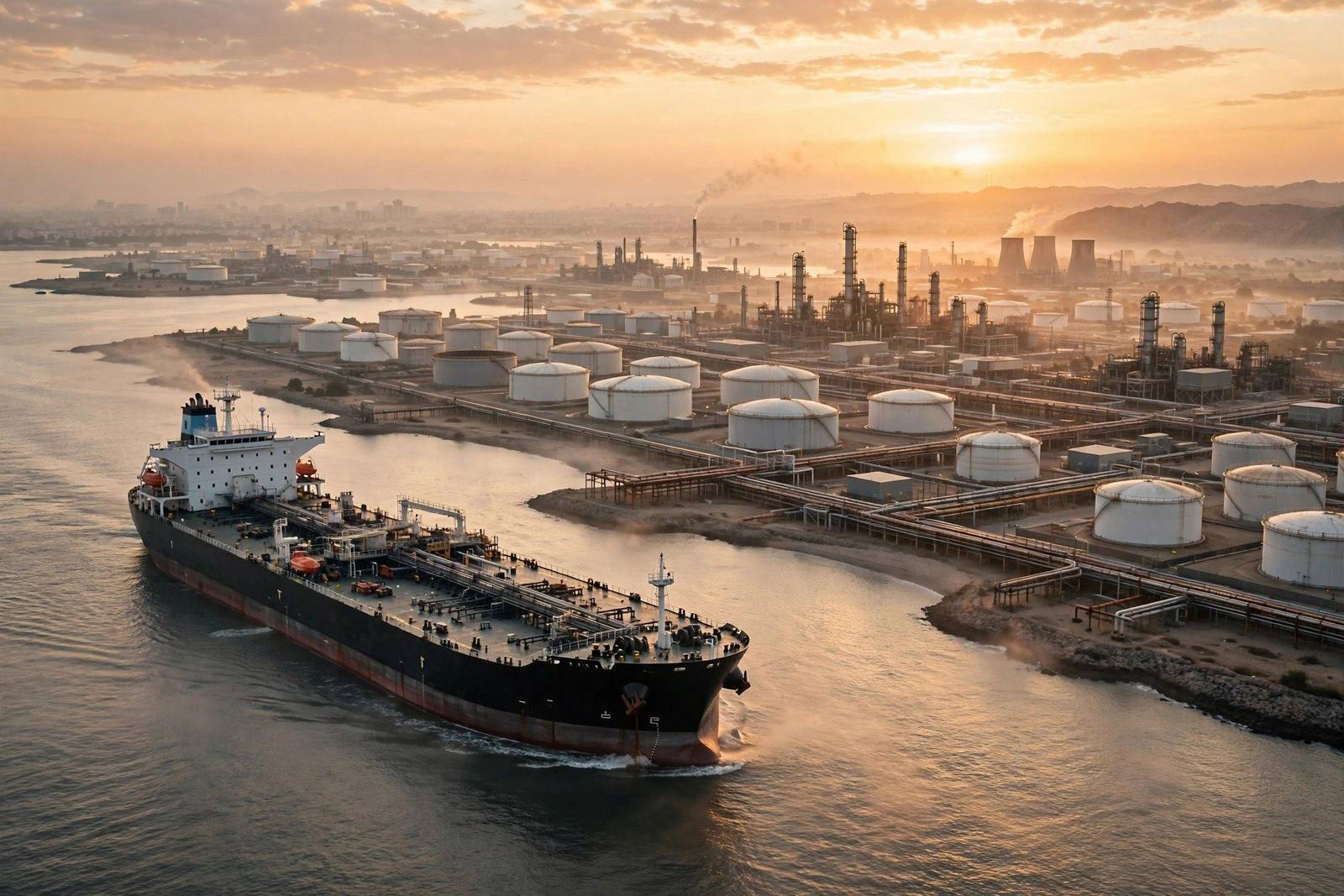
The petroleum group in Pakistan's official trade statistics has two great halves. Crude oil arrives by tanker, mainly from the Gulf, to feed Pakistan's coastal refineries — the Karachi and upper-country plants surveyed in our guide to PSX refinery stocks. Refined products — motor gasoline, high-speed diesel, furnace oil in declining quantities, aviation fuel and LPG — arrive ready to burn, bought by oil marketing companies and importers because domestic refining capacity cannot meet demand in either volume or specification. That second half is the quiet structural fact of the bill: Pakistan does not merely import energy, it imports other countries' refining, paying the refining margin abroad because its own plants are old, small relative to demand and configured for a fuel slate the market has moved beyond — the upgrade story that has been promised to investors for as long as the refineries have been listed.
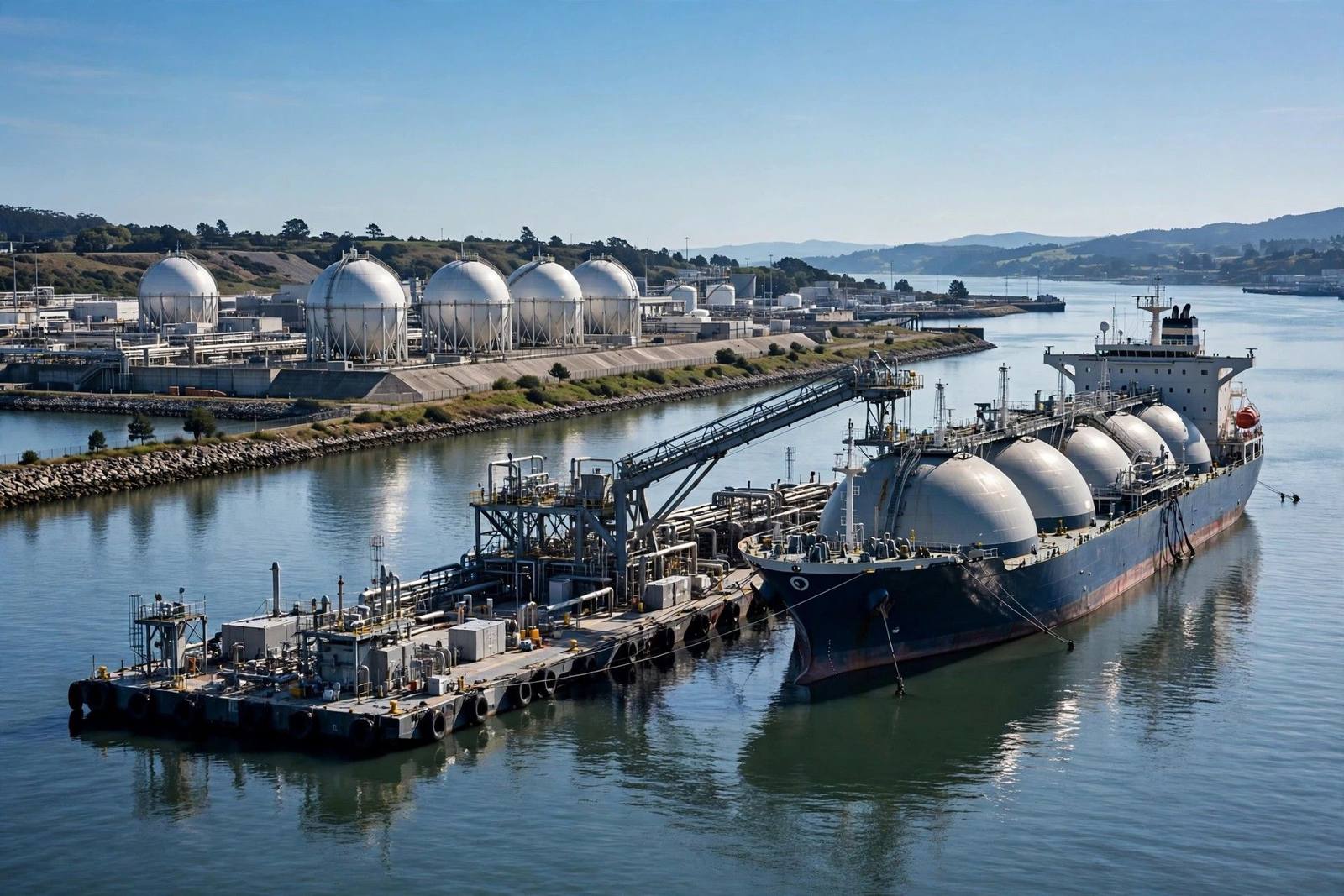
Liquefied natural gas, the other giant energy import, is accounted and argued separately — it has its own guide in LNG in Pakistan explained — but the two bills are cousins: both are dollar-denominated, both respond to global benchmarks, and in months of high prices they compete for the same reserves.
How the bill becomes a number that moves the rupee
The transmission is mechanical. Oil is priced off international benchmarks and paid for in dollars on short commercial credit cycles. The State Bank's reserves must ultimately stand behind the country's ability to keep those payments flowing, because tankers do not unload against promises in a crisis. A sustained rise in crude prices therefore does three things at once: it widens the trade deficit recorded in Pakistan's current account; it increases the monthly dollar demand in the interbank market, pressuring the exchange rate through the channels in the rupee exchange rate explained; and it raises the domestic cost of every litre, which the government must either pass to consumers — feeding the inflation in Pakistan's inflation explained — or absorb in the budget and in the energy sector's arrears. There is no fourth option, and every Pakistani government of the last two decades has, at some point, tried to invent one.
Petrol and diesel prices at Pakistani pumps are set by a federal pricing process, conventionally revised fortnightly, in which the regulator OGRA works out a price from the import cost of products, the exchange rate, inland freight equalisation and taxes — principally the petroleum levy and sales tax — and the government notifies the result, occasionally holding a calculated increase back or passing a decrease late for political comfort. Those decisions matter beyond the forecourt: the petroleum levy has grown into a major federal revenue line, so the pump price is simultaneously an energy price, a tax instrument and an inflation signal, which is why its announcement leads the news.
Why demand does not simply fall when prices rise
Textbook economics says expensive fuel means less fuel used. Pakistan's demand bends, but slowly and painfully, because so much of it is structural. Diesel moves the trucks that move everything — food, exports, construction material — in a country with a minimal freight railway. Petrol moves the motorcycles and small cars of a vast commuting population with thin public transport alternatives in most cities. Agriculture runs on diesel for tube-wells and tractors in areas where grid power is unreliable. Furnace oil and gas for power generation have declined as a share, displaced partly by coal, hydro, nuclear and renewables in Pakistan's energy mix, but transport demand — the bill's core — grows with population, vehicle fleets and economic activity itself. Recessions cut the bill, as import and demand compression showed in recent adjustment episodes; they do so by making the country poorer, which is why policymakers dream instead of efficiency, rail freight and electrification — the subjects of Pakistan's EV policy.
The domestic supply side: fields, refineries and stocks
Pakistan does produce crude — the northern and southern fields of OGDC, PPL, Mari and their partners supply a meaningful minority of refinery intake, paid for in rupees against dollar-linked formulas — and every domestic barrel is a barrel whose dollars stay home even though its price is benchmarked abroad. Domestic production has, however, been in long decline from mature fields, and exploration success sufficient to reverse it has been scarce — the arithmetic that gives strategic weight to everything from new licensing rounds to Reko Diq-era hopes of a broader extractive revival. Downstream, the system's resilience is thin by design: product storage covers a limited number of days by regulation and practice, there are no giant strategic reserves of the kind major importers hold, and a shipping disruption, a refinery outage or a payment scare in Karachi can become a pump shortage anywhere in the country within weeks — episodes of which live in most motorists' memories.
Informal supply complicates the official picture. Smuggled Iranian fuel, moved across the Balochistan border in volumes that fluctuate with enforcement and the price gap, undercuts formal retailers in the west, depresses recorded demand, evades the levy entirely and periodically becomes a federal enforcement campaign. Any month's official bill is therefore partly a measure of the border as well as of consumption.
Reading the monthly release like an analyst
When the Pakistan Bureau of Statistics and the State Bank publish trade data, the oil line rewards a decomposed reading. Separate price from volume: a bill that rises because Brent rose is a different problem from one that rises because import volumes surged. Separate crude from products: a rising product share signals refining falling further behind demand. Watch the petroleum levy's budget performance alongside imports — Islamabad increasingly taxes what it laments importing. And watch what the bill implies for the following quarter's reserves under the financing available, which is the logic of the external accounts framework in Pakistan's external financing. Journalists compress all of this into the headline that the bill 'moved the rupee'; the mechanism above is what the headline means.
The long exits
No serious strategy abolishes the oil bill; the credible ones shrink its share of national income over a decade. Domestic exploration that actually finds hydrocarbons. A refinery upgrade policy that finally converts crude imports into product self-sufficiency — debated for years, with incentive packages announced and revised as investors test the state's credibility. Thar coal and renewables displacing fuel in power, already partly achieved. Rail freight, urban transit and electric two-wheelers bending transport demand, the segment where Pakistan's oil dependence is most primitive. Each is slow, capital-hungry and institutionally demanding — which is precisely why the bill, published monthly to general indifference, remains the single most honest diary of Pakistan's economic constraints.
This article is educational content, not financial advice — and, deliberately, it states no current oil price or monthly bill as fact, because both are published officially each month and date within days.
Who buys the oil, and on what terms
The bill is not paid by a single national oil company at a single desk. Crude is bought by the refineries, products by Pakistan State Oil — the largest importer and the state's traditional supplier of last resort — and by private oil marketing companies and direct importers, each arranging cargoes, letters of credit and shipping through the banking system. In calm times this is routine commerce on standard Gulf supply terms. In stressed times the plumbing becomes the story: banks grow cautious about confirming letters of credit for a sovereign under reserve pressure, suppliers shorten tenors or demand stronger payment security, cargoes are deferred, and the gap between what the country consumes and what its credit can lift narrows to the width of a few delayed ships. Governments then reach for deferred-payment arrangements and friendly-country oil facilities — negotiated state-to-state credit lines that let cargoes flow while payment follows months later. Such facilities have repeatedly bridged Pakistan's worst external squeezes; they are financing, however, not supply, and the bill they defer still lands in the external accounts with interest in another form.
The bill inside the household budget
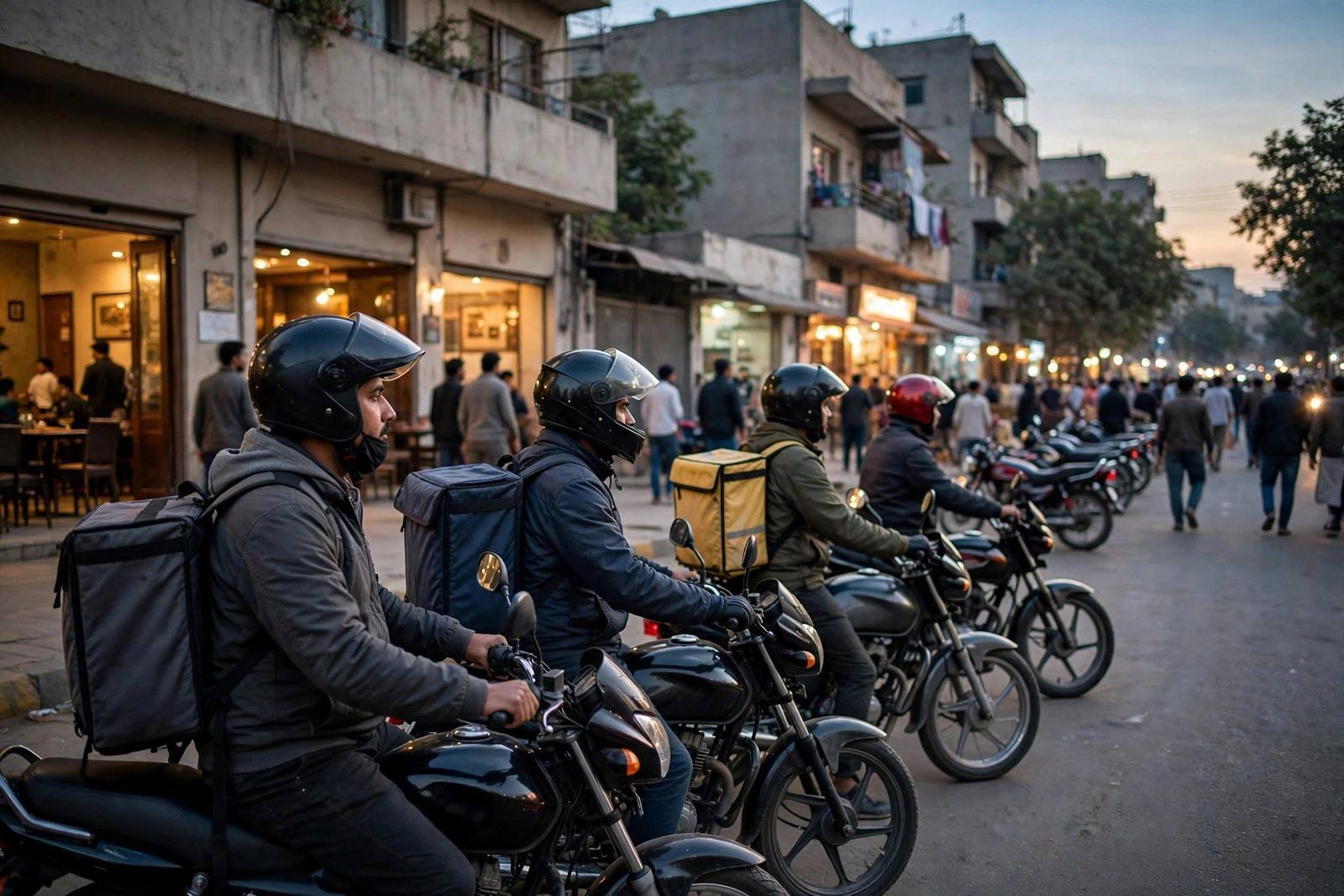
It is easy to discuss petroleum as macroeconomics and miss that it is also the price of getting to work. Pakistan's vehicle fleet is dominated by motorcycles and small cars owned by people for whom fuel is among the largest monthly expenses after food and rent; diesel prices set the freight rates inside the price of every vegetable in every city market; and the fortnightly price notification is followed in tea shops with the attention other countries give election results. This is why governments fear the pass-through they know is necessary, why subsidies and levy adjustments arrive dressed as relief packages, and why the inflation that follows an oil spike is felt as a personal accusation against whoever holds office. Any durable reform — targeted support for the poorest commuters instead of universal cheap fuel, public transport worth switching to, freight moved to rail — is an attempt to loosen this knot between the import bill and the household budget without pretending the bill itself can be wished away.
What would show up first if the bill were shrinking.
Because the monthly release is public, progress has public fingerprints. A falling share of refined products in the petroleum group would mean the refineries are finally modernising. Rising domestic crude production would appear in the exploration companies' output reports before it moves the trade line. A transport-demand bend would show in diesel volumes growing more slowly than the vehicle fleet. And a structural fall in the bill's share of total imports — through some oil price cycles, not one lucky quarter — would tell you the economy's energy metabolism is genuinely changing, the single most consequential economic trend Pakistan could produce this decade.
Key takeaway: Pakistan's oil import bill is the country's largest and least flexible dollar obligation — crude and products priced abroad, demanded by a transport-heavy economy — so its monthly size quietly sets the limits for the rupee, inflation and reserves.