KARACHI: Some Pakistani companies announce themselves. Sapphire Textile Mills Limited, traded on the Pakistan Stock Exchange as SAPT, mostly does not. It has no high-street advertising of its own under the mill's name, no celebrity campaigns and little appetite for publicity, yet the cloth it spins, weaves, finishes and stitches leaves Pakistan in very large quantities — as yarn, as fabric, as home textiles and as garments sold by retailers in Europe and North America whose customers have never heard of the mill that made them. That contrast is the starting point for understanding SAPT: it is the listed flagship of the Sapphire Group, one of Pakistan's largest vertically integrated textile businesses, and its character — family-controlled, export-led and deliberately low-profile — shapes everything from its product range to the way its shares trade.
Roots before the name: from Calcutta trading to a Lahore mill
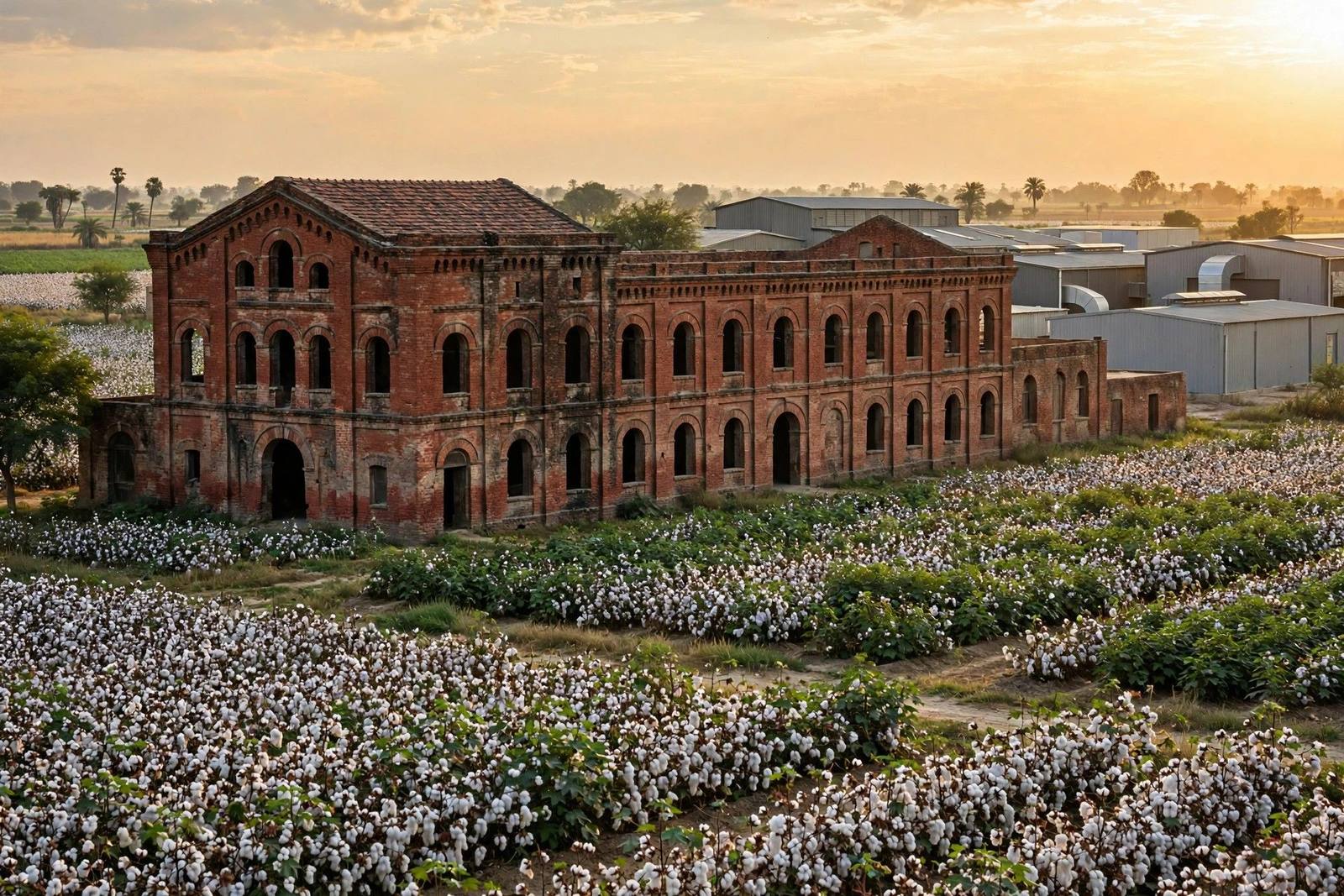
The Sapphire story is usually told in two chapters. The family's business roots reach back to 1940 in Calcutta, where Haji Muhammad Din, the founder named in the group's own history, was engaged in trade before Partition reshaped the subcontinent's commercial map. Like many Muslim trading families of that era, the family rebuilt its business in the new Pakistan, and the thread of that older enterprise runs into what became the modern Sapphire Group.
The second chapter begins around 1969–1970, when Mian Mohammad Abdullah — the chairman and founder of the modern group, and a figure long regarded as one of the elders of Pakistan's textile industry — established the first Sapphire spinning mill. Contemporary accounts of the group describe that first mill, set up in 1970, as the foundation stone: a yarn business, built in a country whose great natural advantage was cotton, and whose great industrial opportunity was to stop exporting that cotton raw and start processing it at home. Mian Abdullah was twice honoured with the Sitara-e-Imtiaz, Pakistan's high civilian award, in recognition of his contribution to business, and he remained the group's chairman while his sons took charge of its operating businesses.
From spinning, Sapphire integrated step by step. Weaving followed yarn, dyeing and finishing followed weaving, and stitching and garments followed fabric, until the group could take in cotton and man-made fibre at one end and ship finished home textiles and apparel at the other. That vertical integration is the single most important fact about the company: SAPT is classified on the PSX as a textile composite, not a pure spinner, because it operates across the chain rather than at one point in it.
What Sapphire Textile Mills actually makes
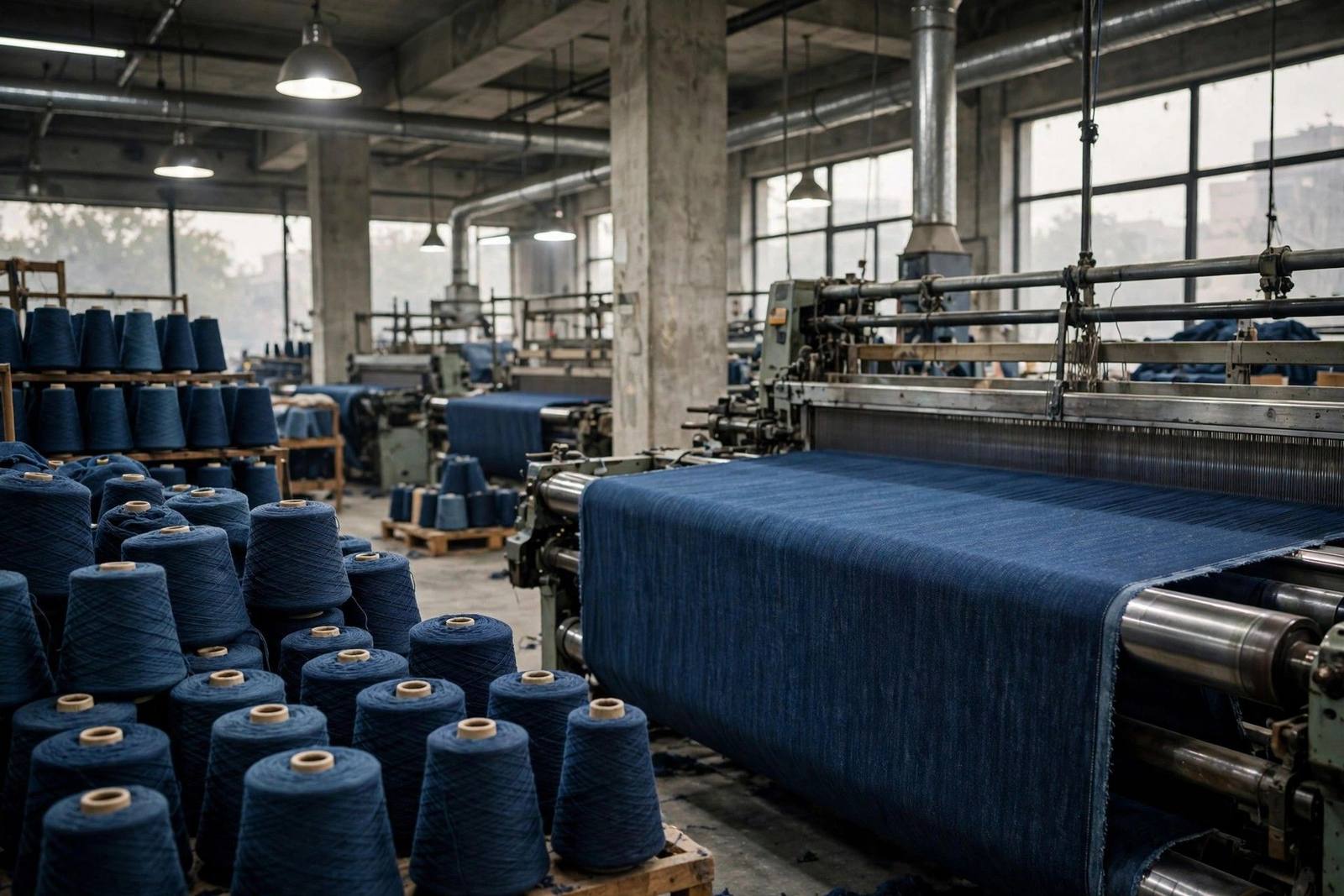
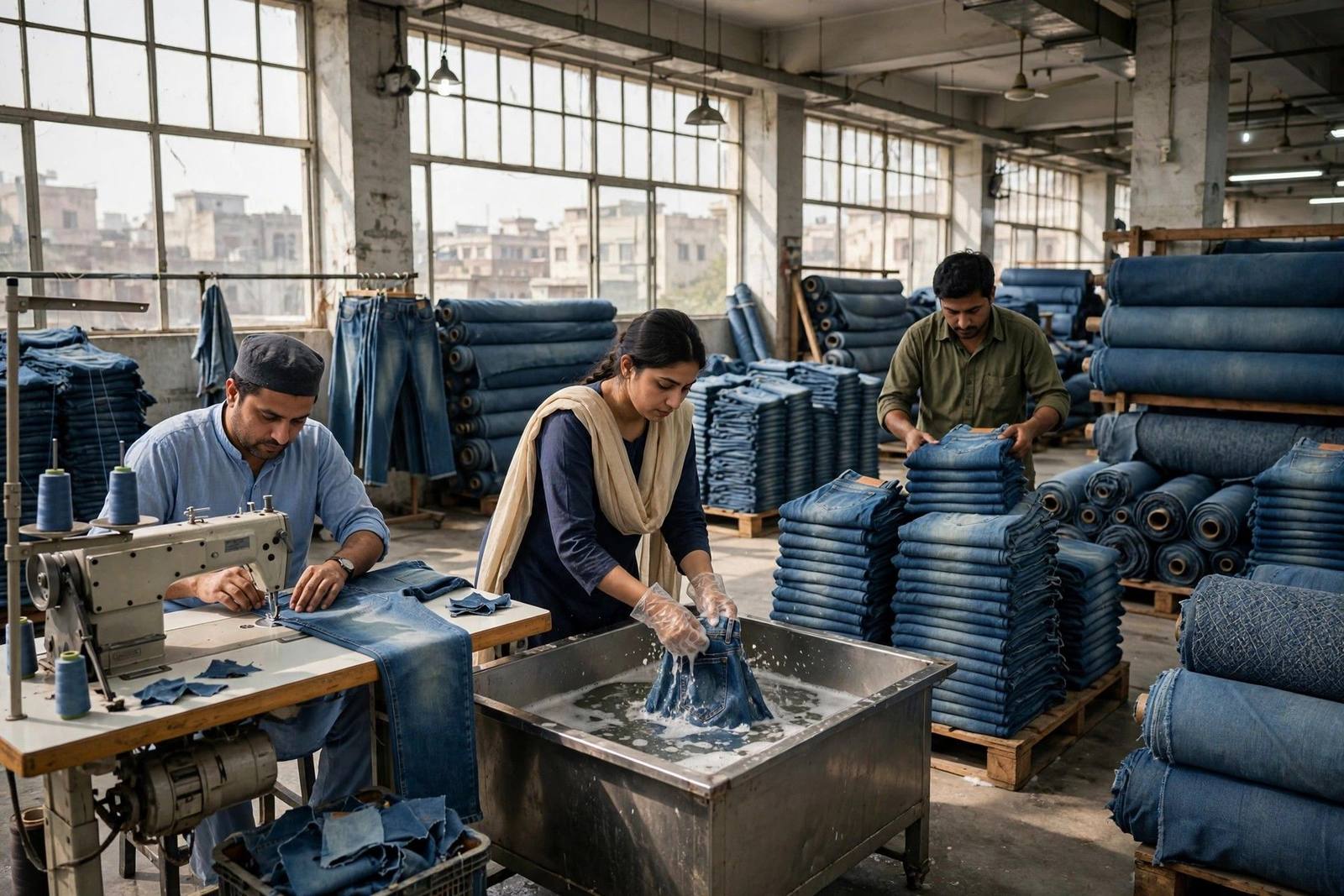
The company's production spans the classic stages of textile manufacturing. Its spinning units produce cotton and blended yarns in a wide range of counts, including compact and core-spun yarns for stretch fabrics and yarns spun from recycled fibre — the group operates its own mechanical recycling capacity and has continued to invest in modern rotor-spinning machinery suited to recycled inputs. Its weaving units turn yarn into greige and finished fabric, including denim and woven fabrics for workwear and fashion. Its finishing operations dye, print and finish woven fabric, and its stitching units convert fabric into home textiles — bedding and related made-ups — and garments.
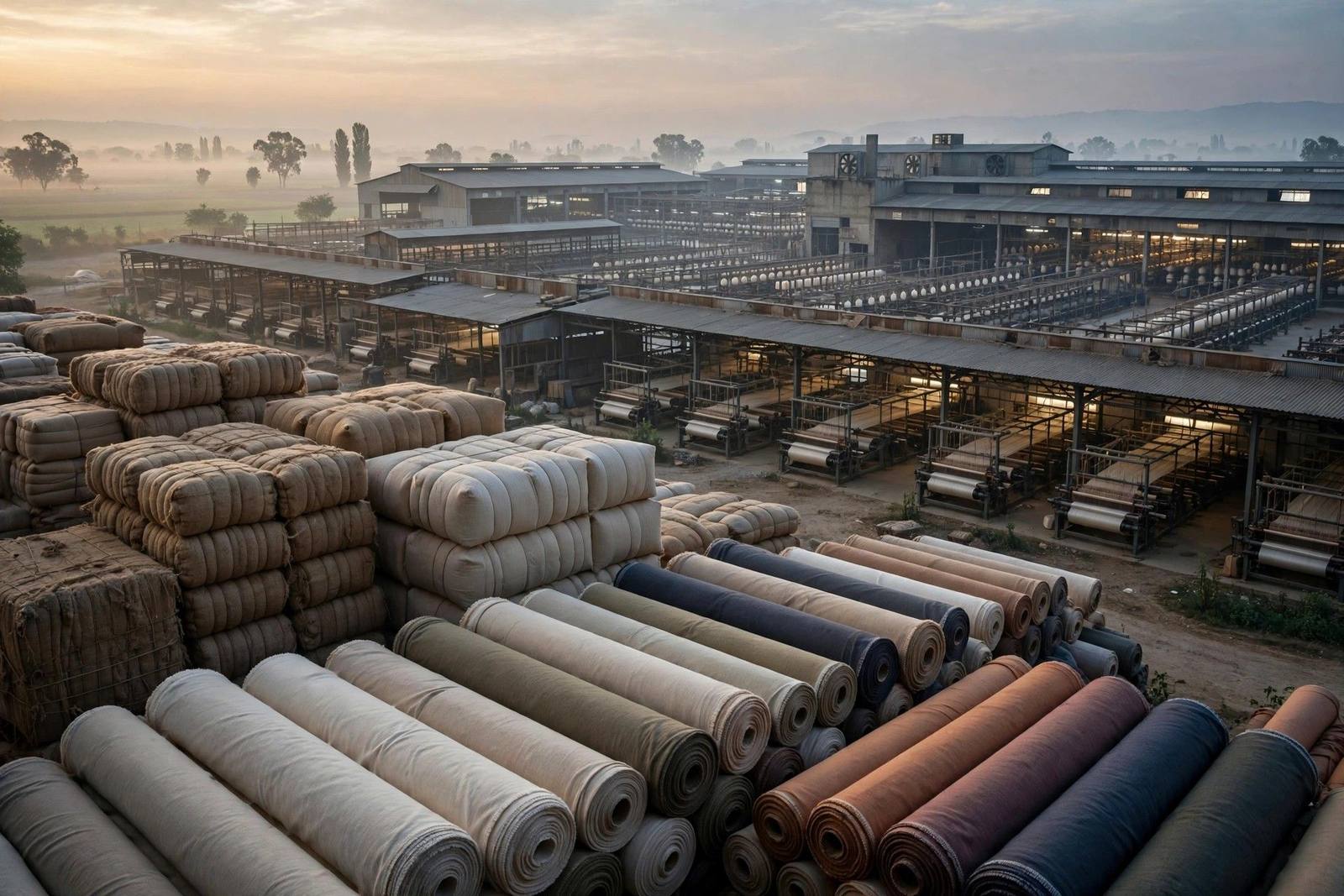
Industry reporting on the group's capacity describes annual output on the order of tens of thousands of tonnes of yarn and tens of millions of metres of fabric, alongside a wide range of home textiles and workwear. The exact figures shift as machinery is added and older lines retired, and the company does not ask investors to memorise them; the point is scale and breadth. A buyer can source yarn alone, fabric alone, or a finished, packaged product, and Sapphire can supply each stage either to outside customers or to its own next process in the chain.
That breadth also explains the customer list the group is associated with in trade coverage: large European and American apparel and home-textile retailers and brands, buying through programmes that demand consistent quality, compliance audits and, increasingly, documented sustainability — organic and recycled fibre standards, wastewater treatment and energy reporting. Exporting to that tier of buyer is a capability in itself, earned over years of audits and repeat orders, and it is one reason Sapphire's name carries weight inside the industry even while it stays quiet outside it.
Inside the Sapphire Group
Sapphire Textile Mills sits at the centre of a wider family group whose interests have spread well beyond cloth. The group's listed and unlisted businesses have included a second listed textile company, Sapphire Fibres — profiled separately as Sapphire Fibres (SFL) — as well as retail, through the Sapphire clothing brand sold in Pakistani malls and high streets; renewable energy, including wind power interests held through group companies; dairy farming; and chemicals and other ventures held through subsidiaries and associated companies named in SAPT's own reporting, among them Sapphire Retail, Sapphire Wind Power and Triconboston Consulting.
For a shareholder in SAPT, that structure cuts both ways, and it is worth understanding plainly. On one side, the listed mill is the group's flagship: it holds stakes in group ventures, so its results include not only spinning and weaving profit but also dividends and share-of-profit contributions from subsidiaries and associates, and its balance sheet partly resembles a holding company's. On the other side, value created inside unlisted group companies does not automatically belong to SAPT's public shareholders, and related-party dealings between group companies are a standard item for careful readers of the annual report to examine. Pakistan's market is full of such family groups — our guide to family businesses on the PSX explains why sponsors structure them this way and what minority shareholders should look for.
Day-to-day leadership has long rested with the second generation. Nadeem Abdullah, a McGill University graduate, has served as chief executive of Sapphire Textile Mills for many years and is credited in the company's own director profiles with pushing diversification into value-added segments, retail and renewable energy. The pattern — founder as chairman and industry elder, sons running defined businesses under one group name — was set early, when Mian Abdullah divided operating responsibilities among his sons while keeping the Sapphire identity common to all of them.
How a composite exporter makes money
SAPT's earnings follow the arithmetic of the whole textile chain rather than any single stage. It buys cotton — domestic and imported — and man-made fibres, converts them through spinning, weaving, processing and stitching, and sells the output mostly abroad for dollars and euros. Each stage adds value and margin, but also adds cost and working capital: a finished bed set embodies months of fibre, labour, energy and finance before it is invoiced.
Three spreads therefore decide a year's result. The first is the cotton-to-yarn spread: the gap between fibre cost and yarn price, which rewards mills that buy the harvest well. The second is the value-addition spread: fabric, finished and stitched goods earn more per kilogram than yarn, but demand for them is more fashion- and order-sensitive. The third is the currency spread: export revenue is foreign-currency priced while wages and much overhead are in rupees, so a weaker rupee generally flatters rupee margins, while cotton — priced at import parity — limits how much of that benefit the mill keeps. Our sector overview of PSX textile stocks sets this model alongside pure spinners and weavers, and Pakistan's cotton economy explains the crop on which the whole chain stands.
Energy is the other decisive cost. Textile processing is power- and steam-hungry, and Pakistani mills have lived through years of rising tariffs and interrupted supply. Sapphire, like its large peers, invested in captive generation and, through the group, in renewable energy, and treats energy sourcing as a core operating decision rather than a utility bill. When gas and grid tariffs rise faster than export prices can be renegotiated, margins compress across the sector at once — one reason textile profits move together in cycles despite very different management quality.
Strengths, risks and the honest caveats
The strengths are structural. Vertical integration cushions the cycle: when yarn prices are weak, fabric and made-ups may still earn; when fabric demand softens, yarn can be sold outside. Scale brings purchasing power for cotton and machinery and credibility with large foreign buyers. Certifications in organic, recycled and responsibly produced fibre — the alphabet of standards such as GOTS, GRS and OEKO-TEX that appears across Sapphire's mill profiles — open programmes that smaller mills cannot bid for. And a sponsor family with more than five decades in the trade has survived several full textile cycles, which in this industry is evidence of a kind.
The risks are equally structural. Pakistan's domestic cotton crop has shrunk and become less reliable, forcing mills toward imported fibre and exposing them to global prices, freight and the exchange rate. Energy costs have risen steeply. Export demand depends on consumer spending in Europe and North America and on Pakistan keeping preferential market access such as the European Union's GSP+ scheme. Competition from Bangladesh, Vietnam and India is constant, often with cheaper energy or larger scale. Finally, SAPT's shares themselves are thinly traded relative to the size of the underlying business: the sponsor family and group holdings lock up much of the register, so the free float is small, prices can move sharply on little volume, and entering or leaving a position takes patience. Our explainer on free float shows why that matters for any shareholder, whatever the company's quality.
Five decades of compounding, one mill at a time
What distinguishes Sapphire's history from the boom-and-bust stories elsewhere in this batch is its steadiness of direction. The group did not leap from trading into a mega-project; it added one process at a time, usually when the stage before it was already earning. Spinning paid for weaving, weaving justified finishing, finishing made stitching worthwhile, and the cash flows of the mills later justified ventures into power and retail that a younger group could not have funded. Each step also moved the group one rung further from commodity competition: raw yarn competes almost purely on price, finished fabric competes on quality and reliability, and a stitched, packaged home textile competes on design, compliance and delivery — ground where relationships matter and margins are more defensible.
The same patience shows in how the group handled succession. Rather than splitting the empire into rival fragments, the founder assigned his sons defined businesses under a shared name and shared central services, a structure the family still broadly follows. For an outside shareholder that arrangement is not perfect — no family structure is — but it has avoided the public feuds and frozen decision-making that have damaged other Pakistani industrial families, and it has kept reinvestment decisions in the hands of people whose own wealth is concentrated in the same mills.
The name on the PSX and the investor who studies it
SAPT trades in the PSX's textile composite sector and has the character of a classic family flagship stock: substantial underlying assets and earnings, a history of cash dividends in profitable periods decided year by year by its board, and modest daily liquidity. It is not a stock that appears in day-trading conversations; it appears in the portfolios of investors who study annual reports, track group developments and think in years.
The reader who follows SAPT typically watches a consistent set of dials: the size and price of the cotton crop at home and abroad; export order flows and any change in market-access arrangements; energy tariffs and the group's own generation mix; the balance between commodity yarn and value-added fabric, home textiles and garments in the sales mix; contributions from subsidiaries and associates, which can lift or drag reported profit independently of the mills; and the dividend decision, read through how PSX dividends work from announcement to CDC credit. Aktzien, the investing app being built for Pakistan, plans to present company stories in this same order — business first, numbers in context. This profile is educational content, not financial advice, and nothing in it recommends buying or selling SAPT shares.
Key takeaway: Sapphire Textile Mills is the quiet flagship of the Sapphire Group — a vertically integrated, export-led composite mill whose profits are set by cotton, energy, the rupee and the value it adds between fibre and finished cloth.