KARACHI: Most company profiles are stories of growth. Azgard Nine Limited, traded on the Pakistan Stock Exchange as ANL, is a story of survival — and in Pakistan's textile industry, survival of this kind is the rarer achievement. Azgard Nine is a fully integrated denim business based in Lahore: it spins yarn, weaves denim fabric and stitches jeans and other denim garments for export brands. It is also the company whose debts grew so large, and whose workout became so prolonged and so public, that for a generation of Pakistani lenders, analysts and shareholders its name became shorthand for what happens when an ambitious textile group borrows for expansion at the top of the cycle. That it is still operating, still exporting and still servicing restructured debt under a court-approved scheme is the fact any profile must start from.
From denim mills to an integrated apparel chain
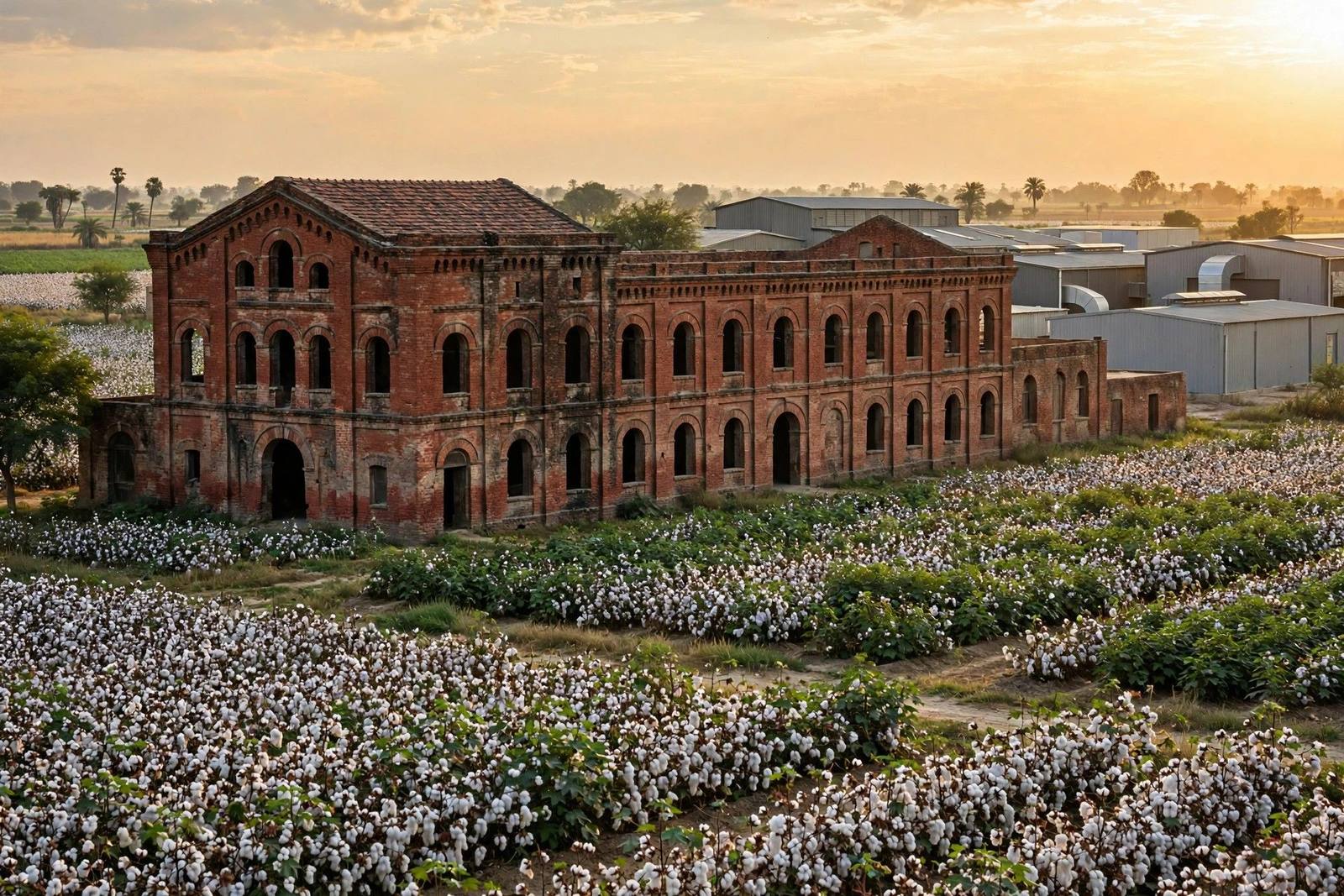
Azgard Nine's operating roots lie in denim manufacturing in Lahore, including the business formerly known as Legler-Nafees Denim Mills, whose name appears in the company's earlier financial history. Denim was a deliberate choice. Through the 1990s and 2000s Pakistan built a strong position in denim fabric and jeans, one of the few textile categories where the country competes at scale with a recognisable product rather than an anonymous intermediate good. A vertically integrated denim mill — its own spinning, its own looms, its own garment stitching — could capture the margin at every stage and offer foreign buyers a single accountable supplier from yarn to finished jeans.
Azgard Nine built exactly that model and, by its own reporting in the mid-2000s, described its textile apparel chain as the largest denim products business in Pakistan, selling yarn, denim fabric and garments into markets across Europe, North America, the Far East, Egypt and South America. Alongside textiles, the group made a fateful diversification: it acquired the fertiliser business that became Agritech Limited, manufacturing and marketing nitrogenous and phosphate fertilisers including urea and DAP. Fertilisers looked like a second engine — a big, cash-generative industrial business beside the mills. In practice, the acquisition loaded the group with debt and management complexity just before Pakistan's economy, energy supply and credit markets turned hostile.
The expansion years were financed substantially with borrowed money, including listed term finance certificates issued in the mid-2000s. When sales slowed, energy shortages bit, cotton and input costs spiked and interest rates stayed high, the arithmetic inverted: the same leverage that had multiplied growth now multiplied losses. By the end of the decade the company faced the classic mismatch rating agencies warned about at the time — long-lived mill assets funded by obligations falling due faster than the mills could generate cash to meet them.
The workout: a decade of restructuring
Azgard Nine's first major debt restructuring began around 2010, as lenders agreed to reschedule obligations and the company sought liquidity by selling assets — most importantly its holding in Agritech, whose disposal was meant to release funds for working capital. The process did not run cleanly. Reporting from 2013 describes a company operating below optimum capacity for want of working capital, posting heavy losses, and receiving only part of the expected proceeds from the Agritech share sale because some shares remained blocked with a lender. A first restructuring that depends on an asset sale is only as strong as the sale itself, and Azgard Nine's experience became a case study in that fragility.
A second, deeper restructuring followed. Initiated in 2014, it was built around a formal creditors' scheme of arrangement: a term sheet negotiated with lenders in 2014–2015, a scheme document circulated for lender consent, and ultimately approval by the Lahore High Court on 31 July 2019. Under the approved scheme, a large block of obligations — some Rs 5 billion — was converted into interest-free, zero-coupon privately placed term finance certificates maturing in 2031, other debts were rescheduled or settled from asset disposals, the company undertook a rights issue of about Rs 365 million at par to raise fresh equity toward creditor payments, and listed instruments caught inside the scheme were delisted and replaced under its terms. Preference shares outstanding under the old structure were fully settled in 2024. The company has since reported meeting its principal and mark-up obligations under the court-sanctioned scheme — the unglamorous, essential fact on which its continued existence rests.
What the company does today
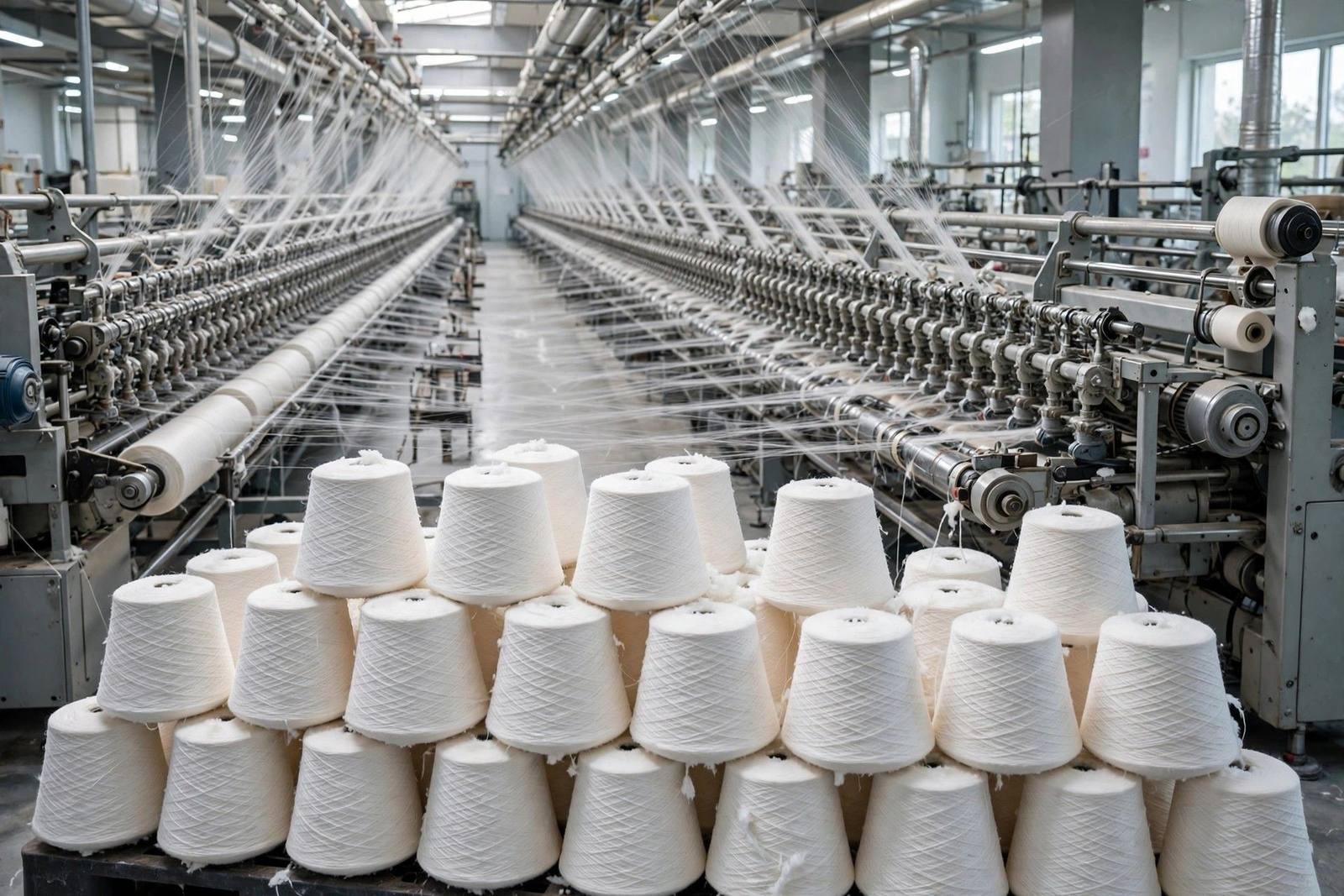
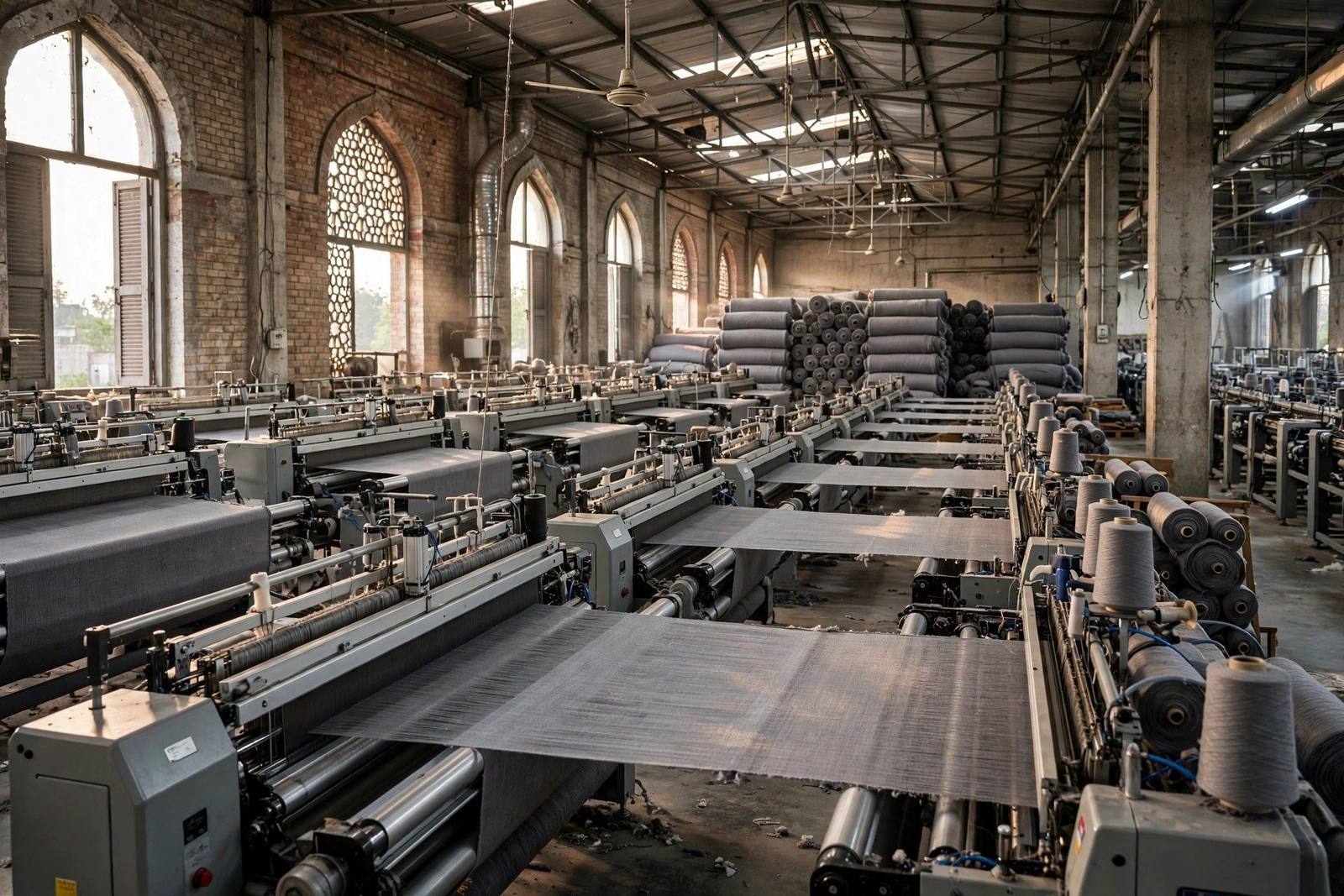
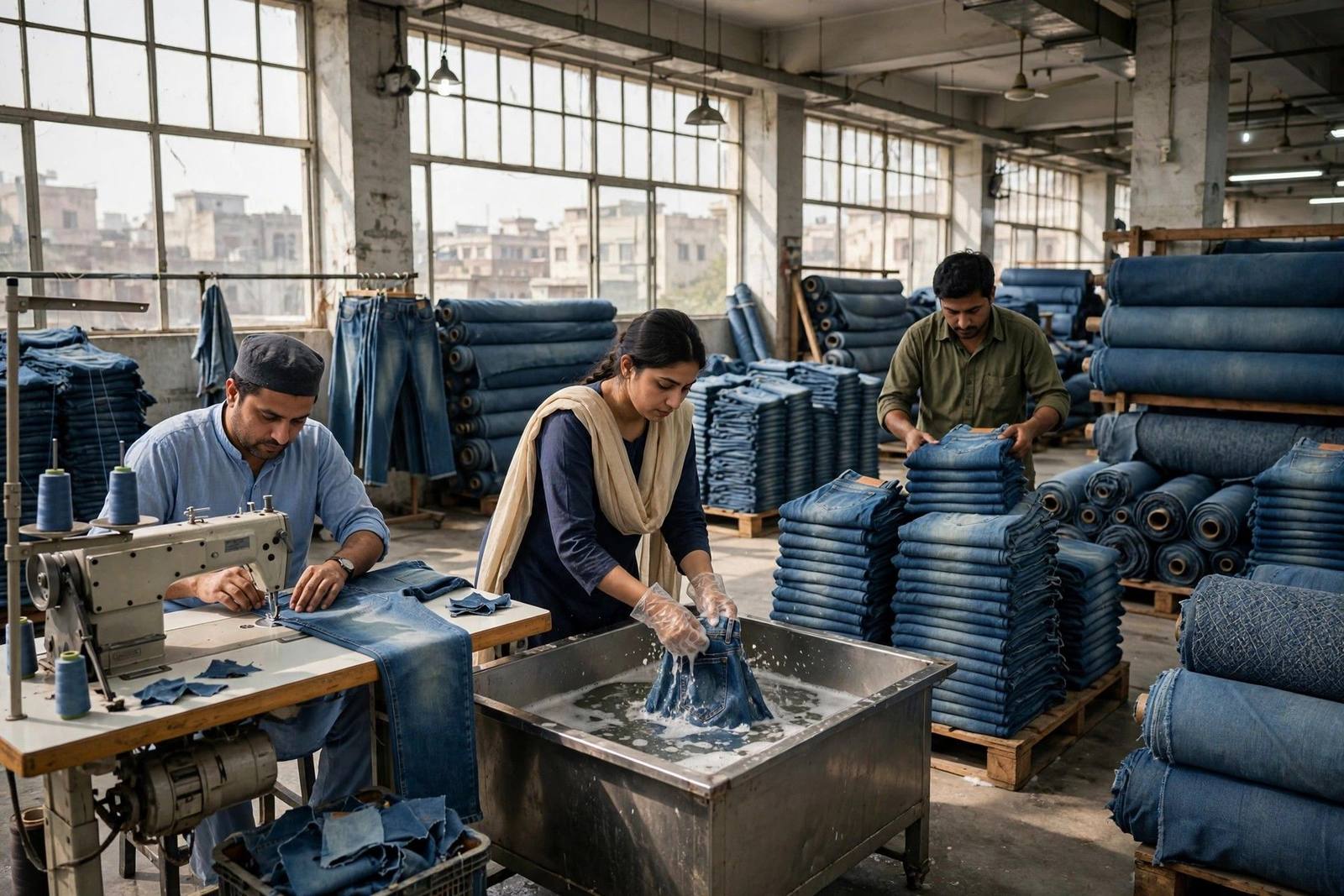
Strip away the financial history and the operating business is coherent and modern. Azgard Nine runs an integrated composite denim operation: open-end and other spinning for denim yarns, denim fabric manufacturing, and value-added apparel — cutting, stitching, washing and finishing jeans and denim garments for international customers. Rating coverage in 2025 described steady revenue growth led by garment exports, with the apparel segment the primary value driver — exactly the end of the chain where a mill earns most per kilogram of cotton, because it is selling design, fit, washing effects and reliability as well as cloth.
One operational feature deserves attention because it is both an environmental claim and a cost strategy: PACRA's 2025 coverage noted that the company's cost-efficient model uses a high share — nearly 65 per cent — of pre- and post-consumer waste in its yarn production. Recycled input, bought as waste rather than as virgin fibre, can cheapen the raw-material bill while qualifying products for the recycled-content programmes global brands now demand. The company has also invested in biomass-based power, completing and capitalising a biomass plant intended to reduce dependence on the grid and trim long-run energy costs — a direct response to the energy shortages that helped sink the old balance sheet.
How denim makes money — and where it leaks
Denim economics start where all textile economics start, with the spread between fibre and finished price explained in PSX textile stocks and Pakistan's cotton economy. But garments change the shape of the risk. A yarn spinner sells a commodity priced by the market that week; a garment maker agrees prices with a brand months ahead, then must buy fibre, spin, weave, dye, cut and sew to a delivery date, absorbing any cost movement in between. The reward is a higher and somewhat stickier margin; the penalty for failure is chargebacks, air freight and lost programmes.
For Azgard Nine, finance cost sits on top of that operating model like a second business. In ordinary years the questions are cotton, energy and orders. In ANL's case readers must add: what does the restructured debt schedule demand this year, what must be set aside toward the 2031 zero-coupon redemption — the company has disclosed annual allocations to a redemption reserve — and what is left for working capital and maintenance afterwards? Export refinance facilities from the State Bank, which the company uses, cheapen working capital, but they do not remove the underlying discipline: this is a company that must generate cash in the right order, lenders first, growth second.
Strengths, risks and controversies
The strengths are real. Vertical integration in a single product family gives Azgard Nine control over quality and lead times that assemblers buying fabric on the open market cannot match. Its garment-led mix earns more value per unit than yarn or greige fabric. Its recycled-input model aligns cost with the sustainability requirements of its buyers. And its operating management has now run the business for years under lender scrutiny — a harsh school that leaves cost discipline behind.
The risks and controversies are the other half of the name. The restructuring years involved litigation and regulatory attention, including a National Accountability Bureau inquiry authorised in 2018 against directors and owners of Azgard Nine and Agritech over corruption allegations, reported at the time by the press from the company's own PSX notification; readers should treat such inquiries as part of the historical record and follow their outcomes in company disclosures rather than in headlines. Legacy obligations continue to pressure liquidity, in PACRA's assessment, even as debt is serviced on time; one non-core unit's disposal, extended to a December 2025 deadline, remained part of the clean-up. The balance sheet still carries the 2031 bullet redemption disclosed in its reporting, which is why the board declared no dividend for the most recent year — surplus cash is spoken for. Anyone studying ANL is studying a leveraged recovery, not a clean balance sheet, and the distinction should never be blurred.
What the workout teaches every other borrower
Azgard Nine's restructuring is studied beyond its own shareholder register because it demonstrates, step by step, how Pakistani corporate distress is actually resolved. There is no quick bankruptcy auction in this system; there is negotiation. Lenders must agree among themselves — banks, term-finance holders and others with different security and different patience — the company must offer something real in exchange for time, usually asset sales, fresh equity and a credible operating plan, and a court-sanctioned scheme of arrangement binds dissenting creditors to what the majority accept. Each stage took Azgard Nine years: the first restructuring around 2010, the recognition that it had not gone far enough, the 2014 term sheet, lender consents, the 2019 court approval, the rights issue that followed, and the long tail of disposals and settlements running into the mid-2020s.
Two lessons generalise. First, in a workout the operating business and the balance sheet are separate fights. Azgard Nine's denim operation — its designs, buyers and garment skills — remained valuable throughout, which is why lenders chose restructuring over liquidation; a mill whose product nobody wants gets no such patience. Second, equity in a workout is an option on discipline. Shareholders were diluted by the rights issue and waited through years without dividends while creditors were made whole on a schedule — the correct order, and a reminder that in distressed companies the share price is the last claim to be considered, not the first.
The biomass plant and the recycled-yarn model belong in this section too, because they show the post-workout company's priorities: spend first on what lowers cost and secures orders, not on what enlarges the empire. The fertiliser adventure that helped create the crisis has no sequel; the denim mill that survived it gets the investment. That allocation of scarce cash, maintained over years, is what a credit rating rising back to BBB actually measures.
One further feature of the post-workout company is worth recording: it kept investing in the product, not the balance sheet. Denim buyers do not grade on effort or on sympathy for a difficult decade; they grade on fabric hand-feel, shade consistency, garment wash results and delivery. Azgard Nine's continued presence in export programmes, and the garment-led growth rating agencies now describe, mean the mill passed those commercial tests while its finances were still being repaired — evidence that the operating core the lenders bet on in 2019 was real, and a reminder that in textiles the order book is the first balance sheet.
The name on the PSX and the investor who studies it
ANL is among the more actively followed small textile names on the PSX precisely because its story is unfinished: each result is read as evidence for or against the recovery. In November 2025 PACRA assigned the company initial entity ratings of BBB long-term and A2 short-term with a stable outlook — investment-grade's lowest rung, a long way from the distressed ratings of the workout years and equally far from the comfort of an A-rated peer. That single fact summarises the equity story better than any slogan.
The investor who studies Azgard Nine watches debt-service timeliness and reserve build-up toward 2031 first, garment export volumes and margins second, and the familiar textile dials — cotton, energy, the rupee, buyer demand — third, usually alongside our explainers on how PSX dividends work for the day payouts resume and free float for how the register behaves. This profile is educational content, not financial advice, and nothing in it recommends buying or selling ANL shares.
Key takeaway: Azgard Nine is an integrated Lahore denim and garments exporter that outlived a famous, court-approved debt workout — its mills earn like a modern denim business, but its cash still answers first to the restructured debts of its expansion years.