KARACHI: Pakistan's insurance market has giants with century-old roots and television-advertising budgets — and then it has companies like Asia Insurance, a Lahore general insurer founded in 1979 that has spent more than four decades doing the unglamorous work of the trade: covering factories against fire, cargo against the sea, cars against the road, and crops against the weather. Asia Insurance Company, ASIC on the Pakistan Stock Exchange, is small by premium income beside the market leaders. That smallness is precisely why it repays study: in a small insurer, every mechanism of the insurance model — underwriting, reinsurance, claims, investment income — is visible without a magnifying glass.
Established in 1979, in business from 1980
Asia Insurance Company Limited was incorporated in Pakistan on 6 December 1979 as a public limited company, and commenced business in 1980. Its head office is in Lahore, where its departments — underwriting, claims, accounts, health, livestock, reinsurance, internal audit and the rest — are housed, with marketing conducted through a branch network extending across Pakistan.
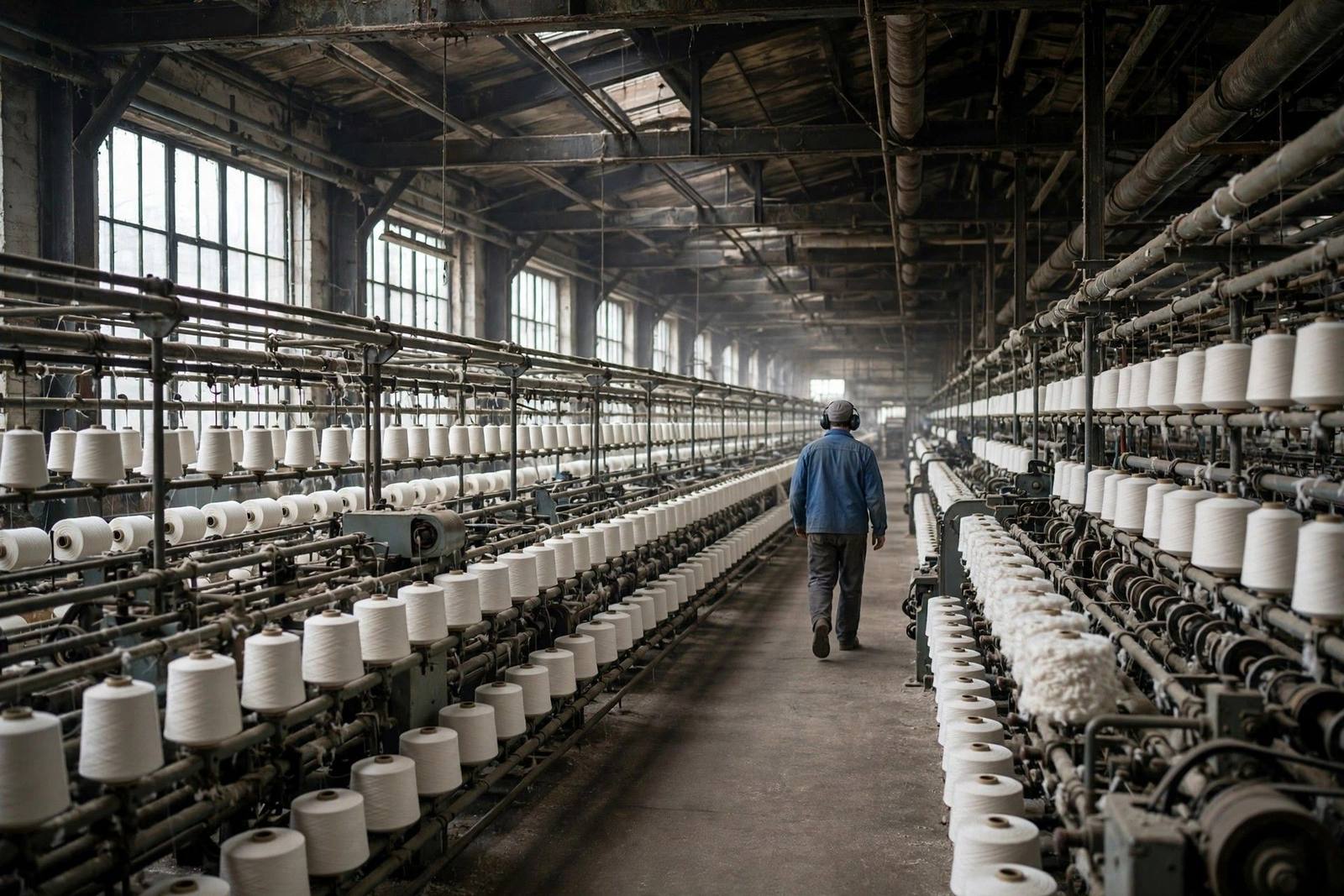
The company reached the stock market in the late 1980s — market records date its listing to 1988 — making it one of the longer-quoted smaller financial names on the exchange. Its birth era matters to its shape: Asia Insurance grew up in the decades when Pakistan's general insurance market was being reshaped after the nationalisation-era experiments, when private insurers rebuilt the trade line by line, and when the country's industrialisation — textiles, engineering, trade through Karachi — created the insurable assets a general insurer lives on.
A composite general insurer, line by line
Asia Insurance is authorised by the Securities and Exchange Commission of Pakistan to transact general insurance, and also general takaful — the Islamic, pooled alternative to conventional cover — through the window operations the regulator permits. Its conventional book is reported in the segments typical of a Pakistani general insurer:
- Fire and property damage — cover against fire and allied perils, riot and strike, explosion, earthquake, flood and burglary for factories, warehouses and homes.
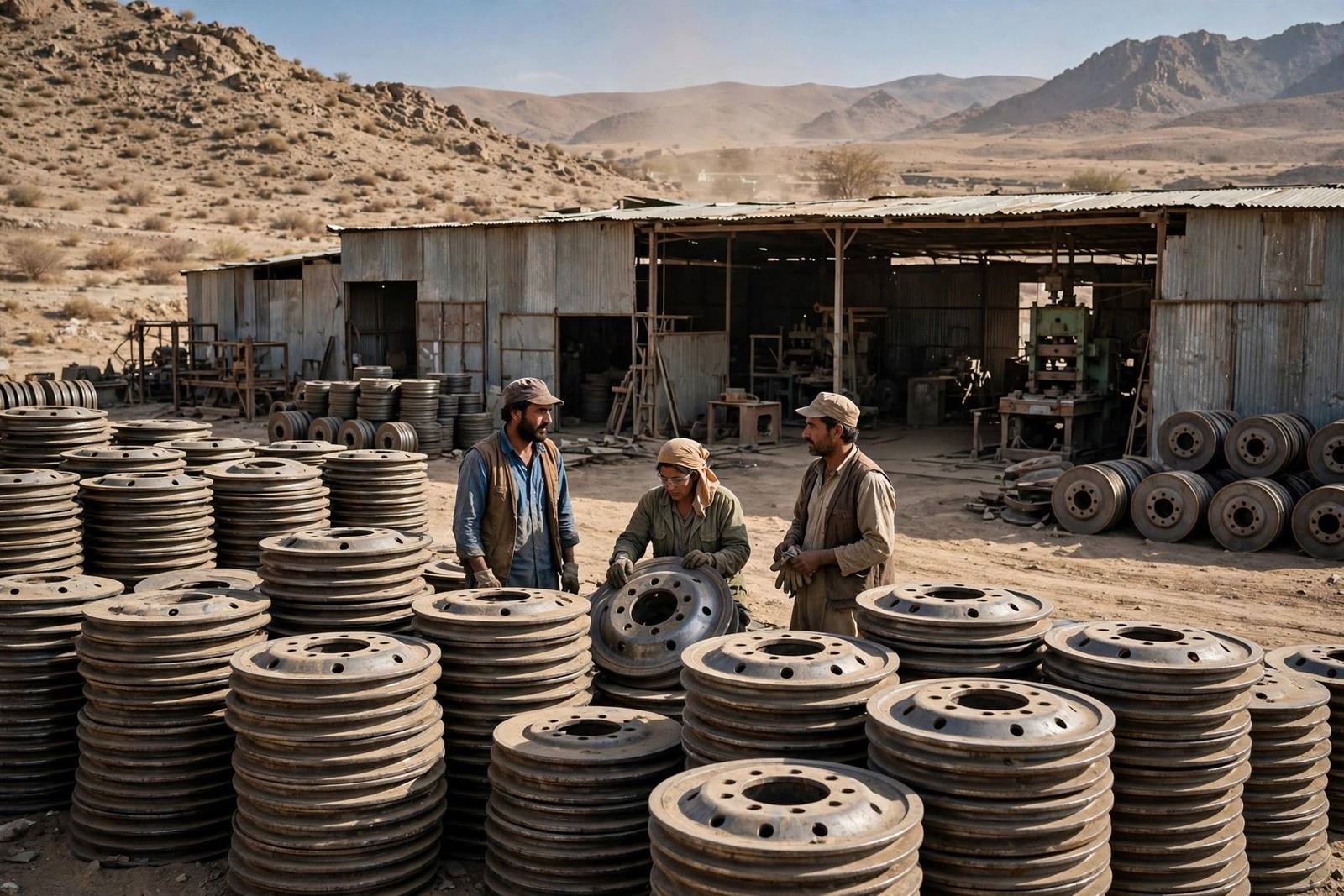
- Marine, aviation and transport — cargo and hull cover against the risks of sea, port and inland transit, the line that serves Pakistan's import-export trade.
- Motor — comprehensive and third-party cover for vehicles, usually the most competitive and claims-heavy line in the market.
- Miscellaneous — the long tail of the trade: engineering and machinery breakdown, health, personal accident, travel, cash in transit and cash in safe, fidelity guarantees, terrorism and liability covers.
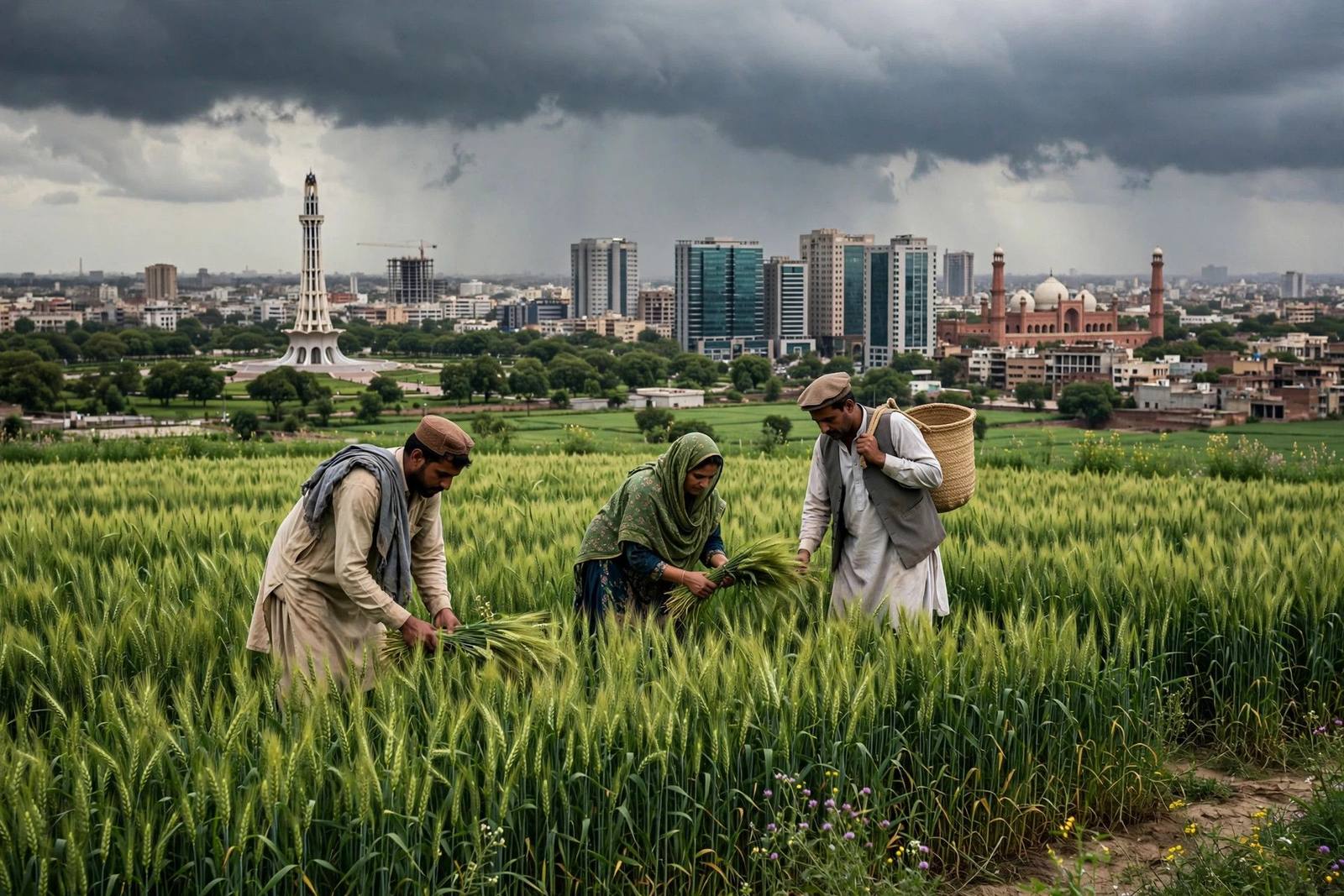
- Crop and agriculture — protection for standing crops against natural disasters, fire, lightning and pests, together with livestock cover — lines of outsized social importance in a farm economy.
- Bonds and suretyship — guarantees that stand behind a client's obligation to a third party.
No single line defines the company; the blend does. A diversified small book is more resilient than a concentrated one, because fire claims, motor claims and crop claims do not peak in the same season — the first principle of insurance, pooling unlike risks, applied at the level of the whole company. The market context for all of this is set out in our guide to insurance stocks on the PSX.
How an insurer actually makes money
Insurance has two engines, and beginners routinely see only one. The first is underwriting: premiums collected, minus claims paid, minus the cost of acquiring and administering the business. If that calculation is positive, the insurer has made an underwriting profit — it has been paid to take risk. The measure to find in the accounts is the combined ratio: claims and expenses divided by premiums, with anything under a hundred per cent denoting an underwriting surplus.
The second engine is investment income. Between collecting a premium and paying a claim, the insurer holds the money — the float — and invests it under regulatory constraints, in Pakistan's case largely in government securities, deposits, and listed equities. In high-interest-rate years, investment returns can carry a small insurer whose underwriting merely breaks even; in soft years, they cannot rescue careless underwriting for long. Standing behind both engines is reinsurance: Asia Insurance cedes part of its risks, and part of its premiums, to reinsurers under treaty arrangements with international firms — the mechanism that lets a company of its size write a factory or a cargo far larger than its own balance sheet could safely hold. The state reinsurer's role in that system is told in the batch-mate profile of Pakistan Reinsurance Company.
Ownership, rating and the small-insurer question
Asia Insurance is controlled by its sponsoring shareholders in the pattern common to Pakistan's smaller financial companies, with the Qureshi family names associated with its chairmanship and management in recent filings, and a substantial institutional shareholding on the register — market disclosures in 2026 recorded the InsuResilience Investment Fund, an international impact investor in climate and agricultural insurance, holding roughly a quarter of the shares, a notable vote of interest in the company's crop and micro-insurance direction. The Pakistan Credit Rating Agency has rated the company's insurer financial strength in the single-A band with a stable outlook in its published assessments — respectable for a company of its scale, and a document any prospective shareholder should actually read rather than merely note.
Why does a market need small insurers at all? Because insurance is sold relationship by relationship: a Lahore insurer that knows Punjab's mills, warehouses and farming districts can underwrite business the giants price from a distance, and can serve small and agricultural clients whose premiums are beneath a large company's attention. The counter-truth is that small insurers compete against scale every day — in brand, in technology spending, in the reinsurance capacity they can command — which is why Pakistan's market has consolidated around its larger names and why the survival of a 1979-vintage independent is itself a fact worth explaining.
Strengths, risks and controversies
The strengths are longevity, breadth and niche reach: more than four decades in business, a full general licence plus takaful window operations, crop and livestock lines that align the company with Pakistan's agricultural-risk agenda, recognised reinsurance treaties, and a rated balance sheet. Small size brings one genuine advantage — the whole book can be known, priced and watched by the people whose names are on the door.
The risks are the small insurer's permanent list. Claims shocks concentrate: one severe flood season across Punjab can land on the crop and property books together, which is exactly what reinsurance exists for — and reinsurance pricing hardens after every bad year, Pakistani or global. Motor business is ferociously price-competitive. Investment income swings with the State Bank's policy rate. Insurance in Pakistan is also, as an industry, under-penetrated and periodically scandal-adjacent — mis-selling, claim disputes and weak documentation elsewhere in the market colour every insurer's reputation, and a small company has less reputational capital to spend. Finally, ASIC's shares trade as small financials trade: thin turnover, wide spreads, and prices that can sit far from any sober reading of the accounts for long periods.
The name on the PSX and the investor who studies it
ASIC sits in the insurance sector outside the large-cap indices, followed sparsely, and best analysed from primary documents: the annual report's segment results, the claims and expense ratios, the reinsurance dependence, and the investment portfolio's composition. Its dividends over the years have been modest and episodic, in the manner of small insurers retaining capital against growth and solvency — the mechanics of any payout are explained in our guide to how PSX dividends work, and our profile of EFU General Insurance shows the same business model at the market's historic scale for contrast.
The investor who studies Asia Insurance is typically hunting the market's neglected corners, willing to be paid in patience: someone who reads PACRA reports, watches the agricultural-insurance policy debate, and understands that a small insurer's value is built claim by claim and treaty by treaty. This article is educational content, not financial advice. In a consolidating market, the honest question ASIC poses — can a well-run small insurer compound quietly in the giants' shadow? — is one of the more interesting open questions on the whole exchange.
Takaful, crops and the protection gap
Two features of Asia Insurance's licence deserve more attention than its size usually earns it. The first is the takaful window: Pakistan's regulator has pushed Islamic finance across every segment, and general insurers may run Shariah-compliant window operations alongside their conventional books, pooling participants' contributions against shared risks rather than transferring risk to shareholders. For a company of Asia Insurance's profile, the window is both a growth licence — reaching customers who avoid conventional insurance on principle — and an operational discipline, run under its own Shariah oversight within the same Lahore head office.
The second is agriculture. Pakistan's farm economy is vast, climate-exposed and almost entirely uninsured: a flooded cotton crop or a livestock epidemic is, for most farming families, an uninsured event absorbed by debt. Crop and livestock cover is therefore the market's great unfinished business, and the presence on Asia Insurance's register of an international resilience-focused investor is a signal of where informed money thinks a small insurer's future lies — in index products, micro-cover and partnerships that can reach farmers no branch network could profitably serve one policy at a time. Whether that future arrives at commercial scale is one of the genuinely open questions in Pakistani finance; that a 1979 Lahore insurer is positioned in the argument at all says something about the uses of longevity.
Set against that promise is the protection gap's hard arithmetic: premiums must be low enough for a smallholder to pay and high enough to survive a bad monsoon, with the state, donors and reinsurers all part of any durable answer. Asia Insurance's role in that system will be as a licensed, rated, local risk-carrier — the layer that turns subsidy schemes and index designs into actual policies with actual claims paid. It is unglamorous, essential plumbing, and it is the sort of work small insurers exist to do.
A word, finally, on how to observe a company like this between annual reports. Insurers disclose less mid-year theatre than manufacturers — no monthly dispatch statistics, no visible order books — so the follower's calendar is the quarterly results, the PACRA rating reviews, and the regulator's industry statistics on premiums and claims by line. In those documents, watch three things: whether premium growth is coming from priced risk or from cheaply bought motor volume; whether the claims ratio is stable through weather seasons rather than merely across calm ones; and whether investment income is a support or a crutch. An insurer passing those three tests at small scale is doing the hardest thing in its industry — staying boring, profitably, for forty years — and boring, in insurance, is the highest compliment the accounts can pay.
For the new reader, a closing practical note: Asia Insurance reports on a December financial year, as insurers in Pakistan generally do, and its annual report's segment tables — premiums, claims and underwriting result by line — are the document from which any honest view of the company must start. Begin there, rather than with the share price, and the small insurer's story reads in the right order: risk first, returns second.
Consolidation, when it comes to markets like this, rarely announces itself in the small names first — it appears as rising compliance costs, reinsurance minimums and technology expectations that weigh heaviest on the smallest balance sheets. Asia Insurance's four decades suggest a management that understands that arithmetic and plans for it; whether the endgame is proud independence, partnership or eventual combination, the policyholder's interest and the shareholder's interest both point the same way: keep the underwriting clean and the rating intact, and let the market do what it will.
Key takeaway: Asia Insurance is a small, Lahore-based general insurer — founded in 1979, in business since 1980, listed since the late 1980s — writing fire, marine, motor, crop and takaful-window cover, and earning the small insurer's twin living from underwriting discipline and investment income.