KARACHI: Pakistan's textile map is written in mill towns, and one of its most instructive entries is a place name inside a company name. Nishat Chunian Limited — NCL on the Pakistan Stock Exchange — takes its second word from Chunian, the tehsil in Punjab's Kasur district where its first spinning mill rose in 1990 at Bhai Pheru. It was founded by Shahzad Saleem, a nephew of Mian Muhammad Mansha of the Nishat Group, and it grew in three decades from a single 14,400-spindle spinning unit into a vertically integrated textile company: spinning, weaving, dyeing and finishing, home textiles, its own power generation, a separately listed power subsidiary in its history, and a home-textile retail brand, The Linen Company. If Gul Ahmed is the textile house that walked into the mall, Nishat Chunian is the one that mastered the mill itself — quality yarn and fabric, sold to demanding buyers at home and across the world's textile markets.
1990: a spinning mill at Bhai Pheru
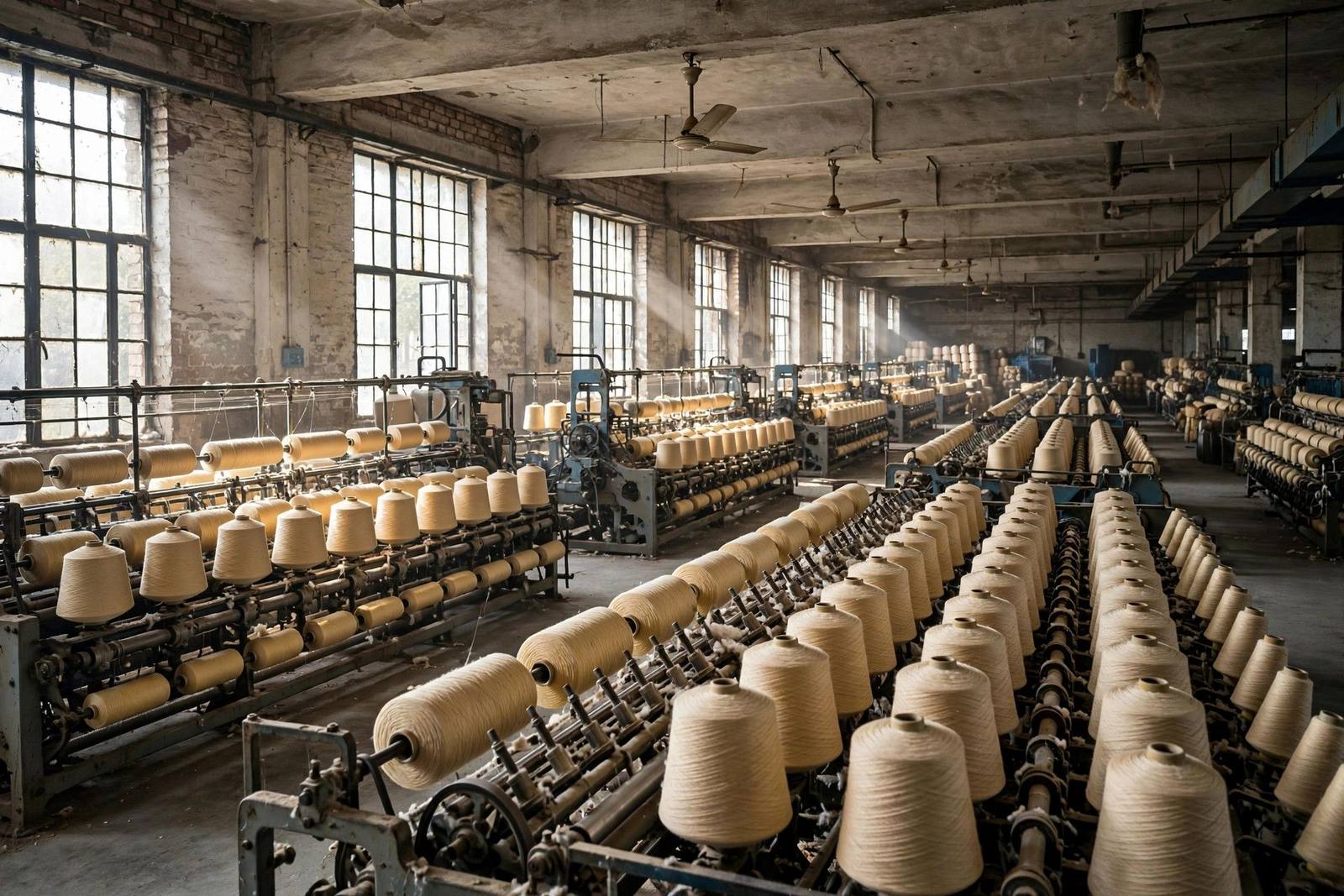
Nishat (Chunian) Limited was incorporated in 1990 as a public limited company, with an equity investment the company's brief profile records as Rs100 million. A spinning mill of 14,400 spindles, supplied by Sulzer, was established at Bhai Pheru in Tehsil Chunian, and commercial production began on 10 March 1991. The company was also listed on the Karachi Stock Exchange in 1991 — an unusually fast arrival for a new mill, and a sign of the Nishat orbit it was born into: the wider Nishat Group, built by Mian Muhammad Mansha into one of Pakistan's largest business houses across textiles, banking, cement and power, gave the young company credibility with lenders, suppliers and shareholders from its first season.
The founder's position in that orbit matters to how the company is read. Shahzad Saleem built Nishat Chunian as his own enterprise within the extended family group — the shareholding pattern in recent reporting shows him as the largest individual holder, with Nishat Mills, the group's flagship, also holding a significant stake. NCL is therefore neither a department of Nishat Mills nor an unrelated namesake: it is a cousin company, sharing the name, the network and some shareholders, run on its own account. Much of what confuses beginners about Pakistani groups dissolves once that pattern — shared name, separate company — is understood.
Weaving, scale and home textiles: 1998–2006
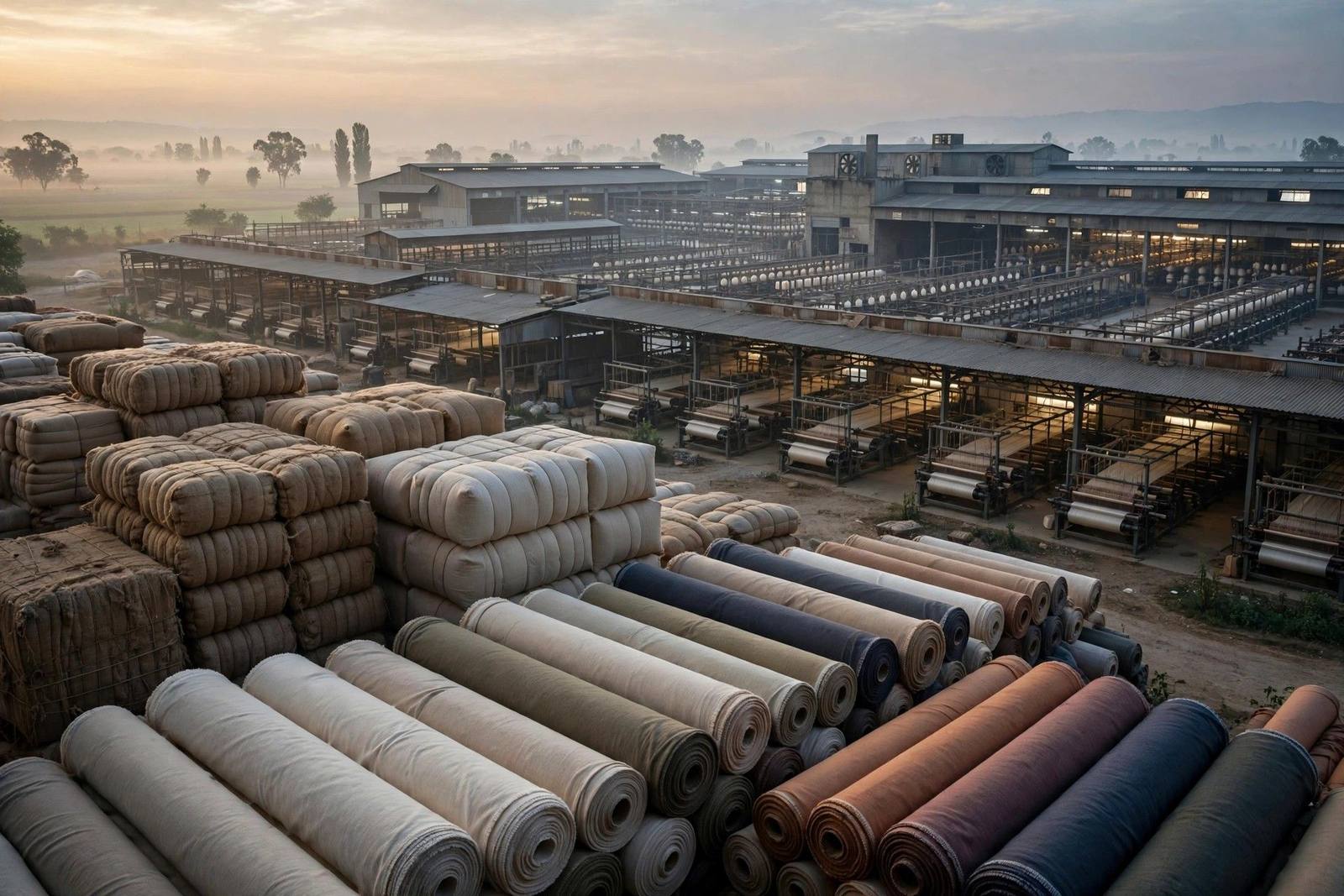
The company's own timeline is a model of vertical integration by steps. Spinning capacity was raised to 19,200 spindles by 1998, and in the same year Nishat Chunian diversified into weaving, installing 99 air-jet looms — moving from selling yarn to selling the fabric woven from it. A new spinning unit started production in November 2000, taking capacity to about 40,872 spindles, and weaving and spinning both grew again in the following years. The step-change came around 2005: the company acquired the operating assets of Umer Fabrics, comprising over 38,000 spindles, and added a further new spinning unit, while also moving into home textiles with a modern dyeing and finishing unit. By then company profiles described a business running well over one hundred thousand spindles and hundreds of looms, with its own gas-based captive power plants — the standard survival kit of the Pakistani mill, which cannot rely on the grid mid-shift.
The pattern to notice is the direction of travel: each stage keeps more of the final product's value inside the company. Yarn is a commodity; fabric is a specification; dyed, finished and stitched home textiles are a programme sold to named retailers abroad. Nishat Chunian climbed that ladder methodically while keeping its spinning heart — the "quality end of the spinning trade" of this profile's title, meaning finer counts and export-grade yarn of the kind its product range describes, greige yarns across a wide count range serving denim, bottom-weight fabrics, workwear, technical textiles, hosiery, apparel, shirting, towels and sheeting.
Power, retail and the wider portfolio
Textile mills that generate their own power sometimes discover the tail can become a second business. Nishat Chunian established Nishat Chunian Power, a 200 MW independent power producer that began commercial operations in 2010 and is separately listed on the exchange; the power company has since stood as a former subsidiary in NCL's own reporting, but its creation remains the landmark diversification of the company's middle years, turning a mill's captive-power competence into a regulated, dollar-linked earnings stream of the kind investors usually meet in pure utilities. On the mill side, a coal-based captive plant of 46 MW followed in the company's timeline in 2014, reflecting the industry's long search for cheaper, reliable energy.
Acquisitions and new ventures fill out the timeline the annual reports print: Taj Textiles was acquired in 2013; a United States subsidiary was established the same year to stand closer to American home-textile buyers, later joined by a US e-commerce venture, Sweave Inc.; a cinema venture, NC Entertainment, was entered in 2015 and the shareholding divested in 2018; and in 2016 the company diversified into retail with The Linen Company, its home-textile store brand in Lahore, Karachi and Islamabad — a smaller, premium cousin of the retail leap Gul Ahmed had made with Ideas a decade earlier. A properties company followed in 2022. Read whole, the portfolio shows a spinning fortune being carefully redeployed: into power when power paid, into foreign selling companies where its customers are, into retail where the margin is, and out of entertainment when it did not fit.
What Nishat Chunian makes and sells today
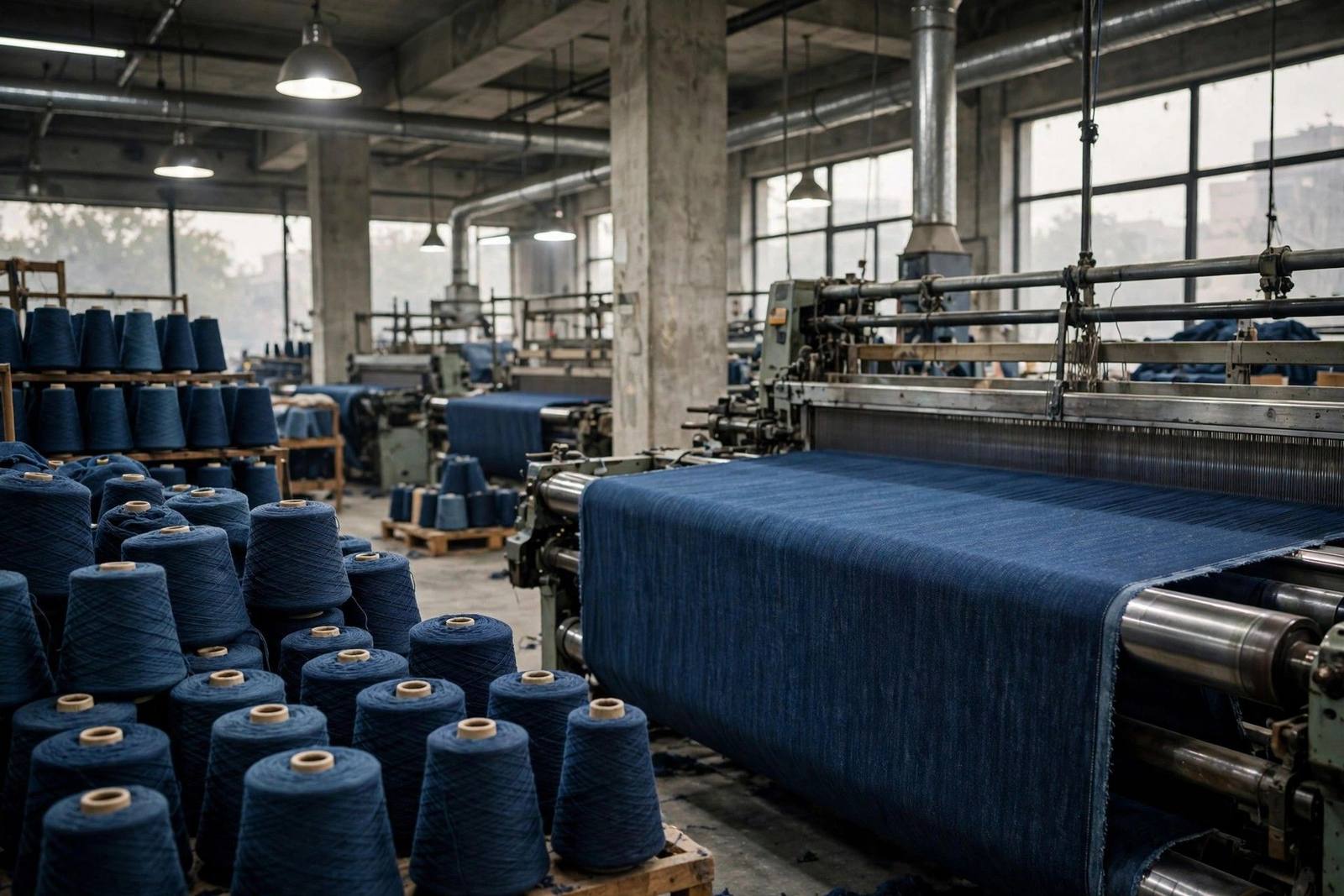
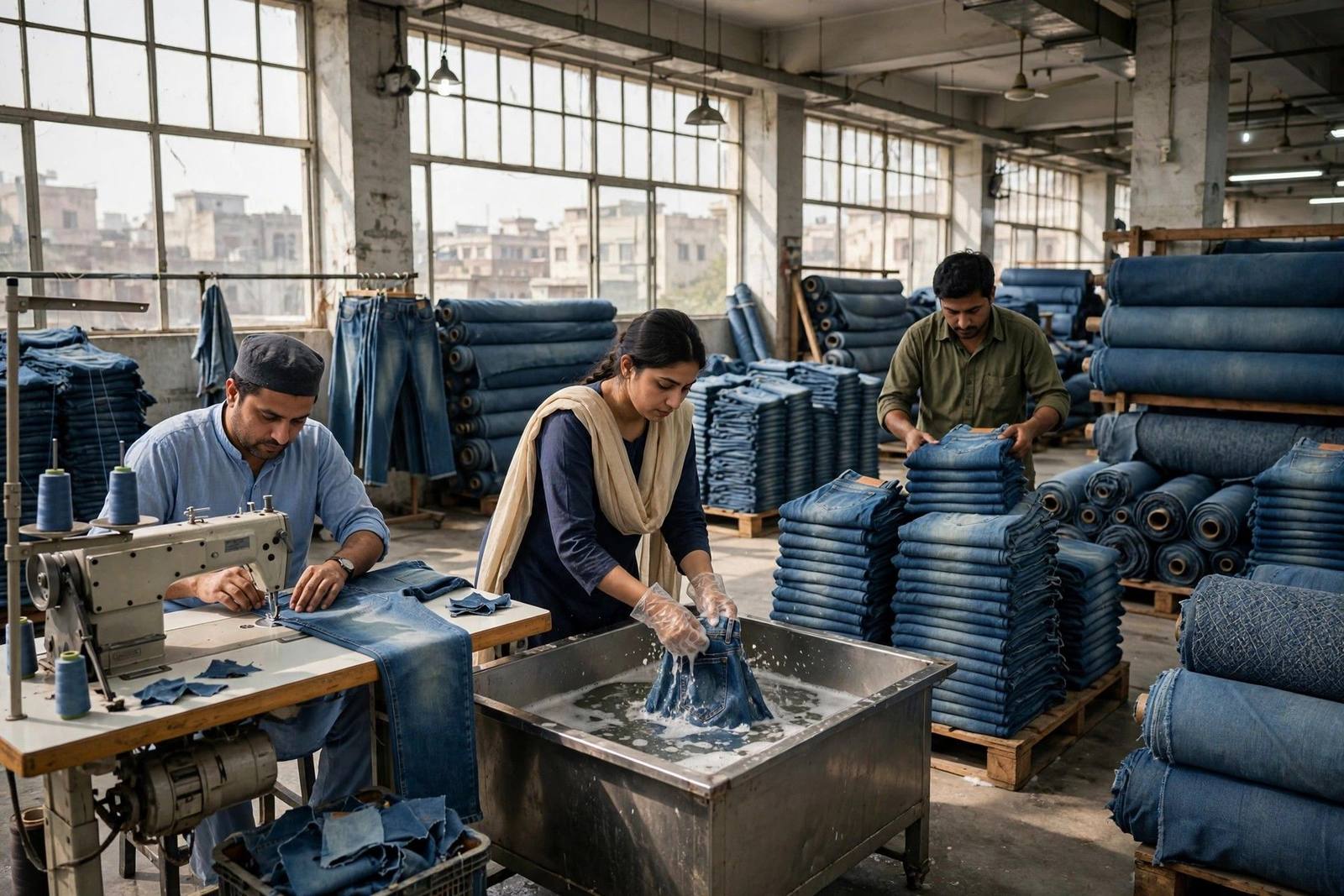
The operating core reports through segments for spinning, weaving, processing and home textiles, and power generation. Spinning produces the yarn range already described. Weaving turns yarn into greige fabric in weaves that company materials list from percale, twill and drill to sateen, herringbone, dobby and jacquard for suiting and sheeting. Processing — dyeing, printing and finishing, including digital printing — converts grey cloth into the coloured, patterned, hand-finished fabric of home textiles: bed and table linen, quilting, embroidery, curtains, institutional textiles and flannel. The company exports across Europe, the United States, Canada, South America, Asia, Africa and Australia, according to its profile descriptions, with factories in the Kasur and Raiwind areas anchoring production. It is, in short, a composite mill of the modern export kind — closer in shape to Sapphire Textile Mills than to a single-process spinner, while keeping spinning as its founding discipline.
How Nishat Chunian makes money
Each segment earns a conversion margin, and the consolidated result is the stack of them. Spinning lives on the cotton-yarn spread: buy cotton — Pakistani when the crop allows, imported when quality or quantity demands — and sell yarn whose price is set in regional markets. Weaving adds a thinner, steadier conversion margin. Processing and home textiles add the most value per metre and the most cost: dyes, chemicals, water, stitching labour and, above all, energy. Power generation, where it remains within the group's economics, earns regulated or contracted returns unlike anything in textiles. Over the stack sit the common forces of Pakistani textiles: the rupee, which flatters exporters' translated earnings while raising imported cotton and machinery costs; energy tariffs, which can overturn a season's arithmetic in one notification; and the buying cycles of European and American home-textile retailers. Our explainer on the cotton economy covers the crop on which the first margin depends, and the comparison with Gul Ahmed's retail-blended model shows how the same forces land differently on a different mix.
Strengths, risks and controversies
The strengths are quality position and diversification within discipline. Nishat Chunian sells yarn and fabric into segments — fine counts, technical and home textiles — where buyers audit and stay, rather than chasing the cheapest commodity count each season. Its vertical chain, captive power and foreign selling subsidiaries shorten the distance to the final customer, and the Nishat name and shareholding network have historically eased financing through the sector's regular crises.
The risks are those of every export textile composite, concentrated by its spinning weight. Cotton crop failure or quality decline strikes its founding segment first. Energy costs — the reason for gas and then coal captive plants — remain the single most argued variable in Pakistani textile competitiveness, against rivals in Bangladesh, Vietnam and India whose power and financing are cheaper. Export concentration in home textiles ties results to Western housing and retail cycles. The group's ventures beyond textiles have been a mixed education — power paid, entertainment was exited — and each new diversification asks minorities to judge capital allocation outside the core competence. Dividends, correspondingly, have the textile pattern: generous in strong export years, scarce when cotton, energy and the rupee conspire.
The name on the PSX
NCL has been listed since 1991, among the longer textile listings on the exchange, and is a recognised mid-cap name in the sector — not an index heavyweight in the class of its cousin Nishat Mills, but a standard way for portfolios to hold the spinning-and-home-textile trade. Its market behaviour follows textile sentiment: budget weeks, cotton prices, energy announcements and export data move it, often in company with the whole sector. For learners, NCL usefully demonstrates how much history a single ticker can carry — a founding mill, a power IPO spun out of a textile balance sheet, foreign subsidiaries, a retail brand — all still visible in one annual report.
What kind of investor studies Nishat Chunian
NCL is followed by textile specialists and group-watchers: investors who read segment accounts closely, track yarn and fabric spreads and export orders, and take a view on Pakistani energy policy as a textile variable. Their checklist is practical — spindle and loom utilisation, the spinning margin against cotton prices, home-textile order books, energy mix and cost per unit, the contribution and cash returns of non-textile holdings, and the discipline of the dividend against the cycle. The concepts behind the checklist are laid out in the Aktzien learning library. This article is educational content, not financial advice, and nothing in it is a recommendation to buy or sell any security.
Chunian's place in the textile map.
The place name in the company's title is more than nostalgia. Pakistan's spinning industry grew where cotton, labour, water and power could be gathered, and the Kasur–Raiwind corridor south of Lahore became one of its densest belts — close to the cotton districts, close to Lahore's trading and finance, far enough out for mills to spread. A company that began there in 1990 and stayed, adding unit after unit on the same ground, accumulates advantages that do not appear on a balance sheet: a trained local workforce whose families have worked its shifts for two generations, supplier and contractor relationships measured in decades, and management that can walk every process it owns. Against that stands the corridor's shared exposure — the same energy grid, the same cotton belt, the same provincial policy weather — which is why Nishat Chunian's moves into power, foreign selling companies and retail read as deliberate attempts to own income streams that do not all fail on the same day. The mill at Bhai Pheru remains the foundation; everything else in the profile is the founder generation's answer to the question of what a spinning fortune should become.
There is a final reason Nishat Chunian repays study: it is a nearly complete diagram of the choices open to a Pakistani industrial fortune. Stay in the founding trade and deepen it, as the spinning and weaving expansions did. Climb the value chain, as home textiles and processing did. Sell where the customers are, as the American subsidiaries do. Sell to the final customer, as The Linen Company attempts. Monetise a by-product skill, as the power venture did. And exit what does not fit, as the entertainment divestment did. Most listed groups attempt two or three of those moves in a generation; NCL's annual reports record all of them within three decades, attached to one mill town's name. For a new investor learning how Pakistani groups allocate capital — and how to judge whether the allocation served outside shareholders or only the sponsors — there are few cleaner case files on the exchange.
Key takeaway: Nishat Chunian began in 1990 as Shahzad Saleem's single spinning mill at Bhai Pheru, listed in 1991, and climbed step by step into weaving, home textiles, captive and commercial power and The Linen Company retail — a quality-led composite whose earnings still start with cotton, energy and the export order book.