KARACHI: Some power stations are famous for their size; Lalpir Power is famous for its biography. Its 362-megawatt oil-fired plant at Mehmood Kot, near Muzaffargarh in southern Punjab, was built in the 1990s by AES Corporation, then one of the world's largest independent power producers and a flagship investor of Pakistan's 1994 power policy. In 2010 the plant changed hands to a consortium led by the Nishat group, one of Pakistan's great textile-and-finance houses, and in 2013 it was listed on the stock exchange as Lalpir Power Limited, ticker LPL. Few listed companies carry so much of Pakistan's private-power history in one share: the American IPP era, the local conglomerates' buyout of it, and the long argument about what those 1990s contracts cost the country. This profile tells that story, explains how the plant earns, and sets out what investors who follow LPL tend to watch.
A single boiler, a single turbine, a single buyer
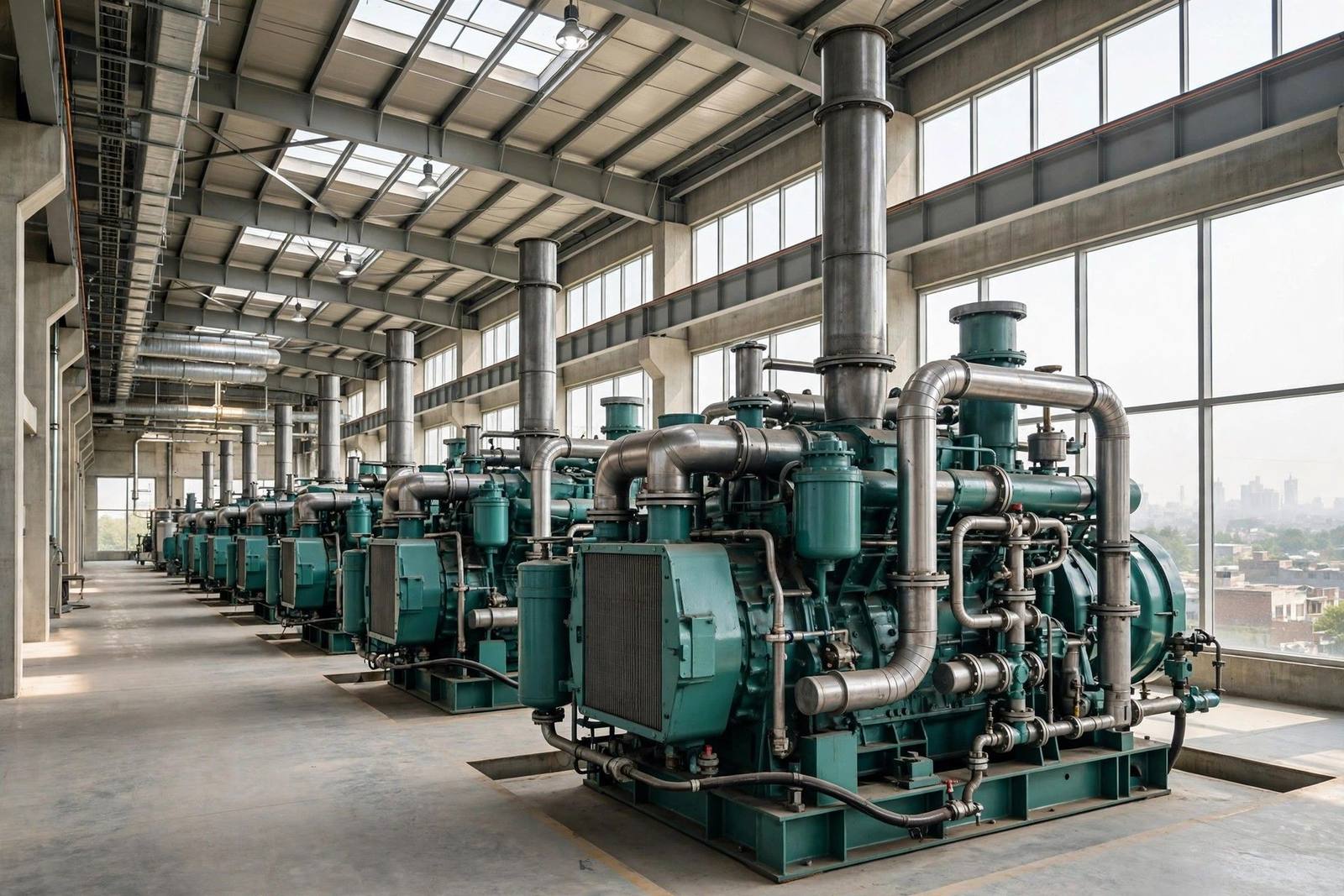
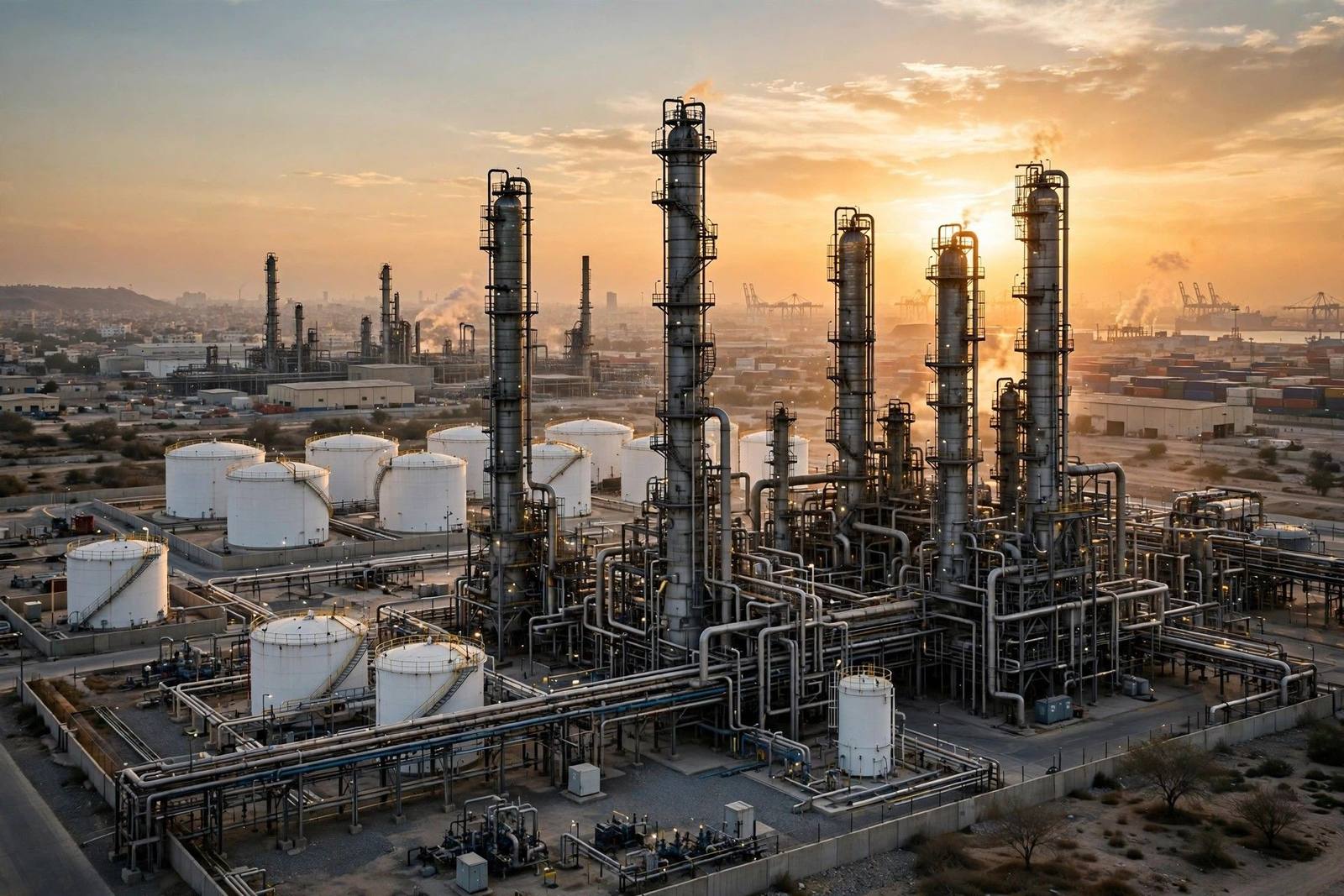
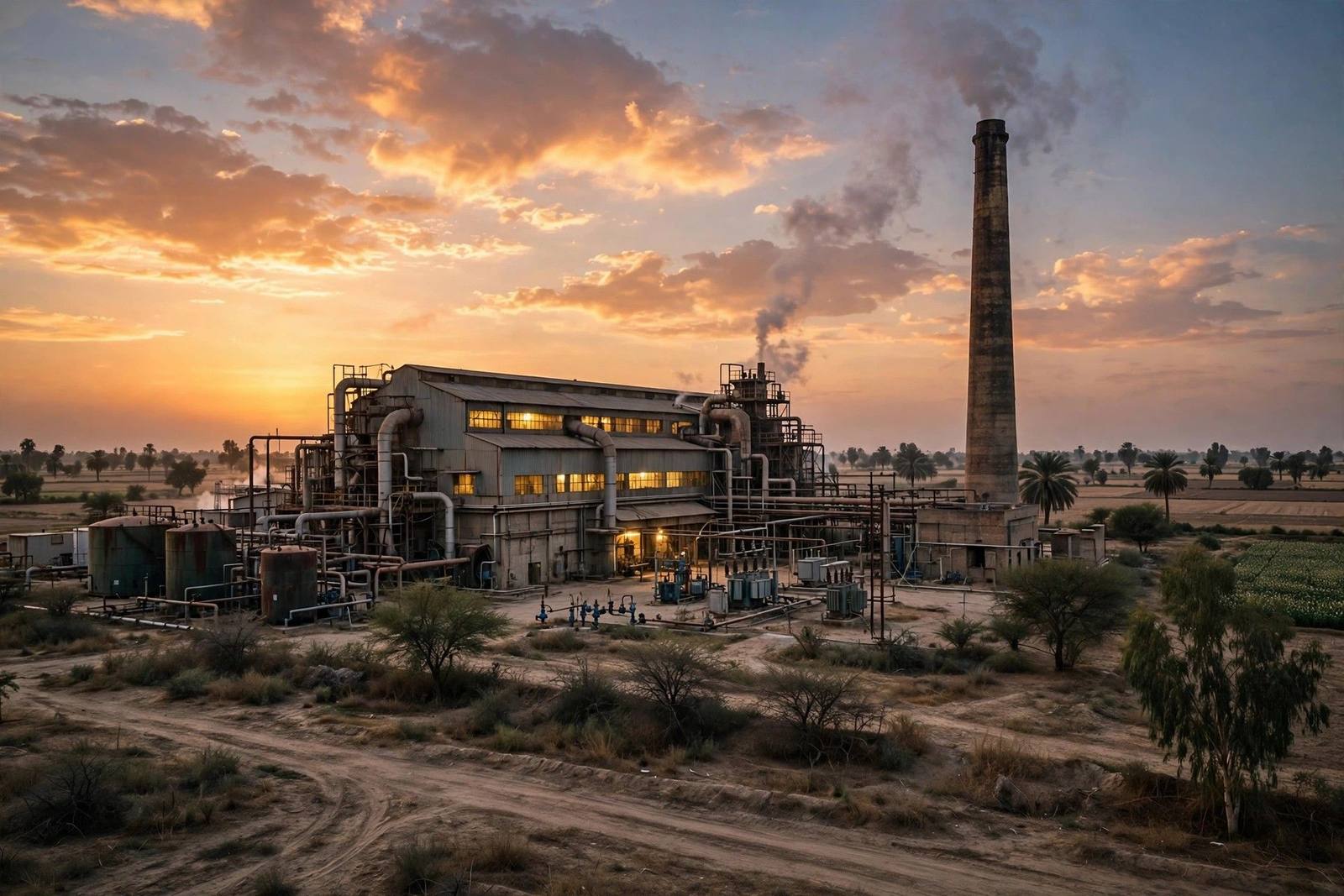
Lalpir's complex is a classic 1990s thermal station. At its heart sit one large residual fuel-oil boiler and one steam turbine-generator, giving the plant a gross capacity of 362 MW. It burns furnace oil — the heavy residue left after refineries have taken the lighter, more valuable products from crude — supplied for decades under a long-term fuel arrangement with Pakistan State Oil, and it sells every unit it generates to the state power purchaser, historically the Water and Power Development Authority (WAPDA) and in the modern system the Central Power Purchasing Agency. The plant stands at Mehmood Kot, in Muzaffargarh district, an area that became one of Pakistan's great power clusters: the state giant KAPCO is nearby, and Lalpir's sister plant Pakgen — built as the second AES station on effectively the same site — faces it across the fence.
That geography was deliberate. The 1994 policy needed large blocks of capacity quickly, and concentrating plants near fuel infrastructure and grid connections in southern Punjab was the fastest way to build them. Lalpir was developed on a build-own-operate basis: the sponsor financed, built and kept the plant, recovering its money over a 30-year power purchase agreement rather than handing the asset to the state at the end. The company behind it, today's Lalpir Power Limited, was incorporated in Pakistan on 8 May 1994. Its registered office is in Lahore, but its working life has always been at Mehmood Kot, where the plant's availability — its readiness to run when the grid calls — is the product it truly sells.
The AES years: an American flagship in Punjab
To understand Lalpir's origins, picture Pakistan in 1993–94. The country was desperately short of electricity, WAPDA could not finance the generation it needed, and the government of the day unveiled a private power policy offering foreign investors dollar-linked returns, government-guaranteed purchase contracts and fuel supplied by state companies. AES, a young and aggressive American power developer, was among the first and biggest takers. It entered Pakistan in 1993 and set up two projects side by side at Mehmood Kot: AES Lal Pir, at 362 MW, and AES Pak Gen, at 365 MW — together more than 720 MW of oil-fired capacity and a combined project cost reported at the time in the region of $693 million.
Financing Lal Pir showed how international the 1994 model was. In April 1994 the International Finance Corporation signed a debt-and-equity package for the project, taking a loan position and a 10 per cent equity stake in AES's project company, while the Bank of Tokyo arranged a much larger syndicated loan from international commercial banks, backed by Japan's export-import bank. Japanese industry built the plant: Nichimen acted in the contracting chain and Mitsubishi Heavy Industries supplied the major equipment as turnkey contractor. Construction proceeded through the mid-1990s, and the facility began commercial operations in December 1997 — some accounts say November — under its 30-year agreement with WAPDA. For a decade and more, AES operated the two Muzaffargarh plants as a single complex, and Pakistani and foreign reporting of the era routinely described them among the more reliable stations in the national fleet, with international certifications for environmental and safety management to match. AES was, in short, the respectable face of the 1994 policy — which did not stop the policy itself, with its generous dollar-linked tariffs, becoming one of the most contested legacies in Pakistani economic policy, blamed by critics for expensive power and praised by defenders for ending an era of darkness.
2010: the Nishat buyout and a Pakistani listing
By the end of the 2000s AES was reshaping a global portfolio strained by the financial crisis, and Pakistan's big domestic groups were confident buyers of assets they understood. In 2010 AES agreed to sell its interests in both Muzaffargarh plants — its majority stakes in Lal Pir and Pak Gen — to a consortium led by Nishat Mills Limited, the flagship of Mian Mohammad Mansha's Nishat group. Contemporary accounts put the consortium's structure at roughly half held through the Nishat side, with the Abu Dhabi Investment Council, an investment arm of the Abu Dhabi government, taking a substantial minority and The City Schools group also participating; Pakgen's own history records Nishat Mills, Adamjee Insurance, Security General Insurance, Mian Hassan Mansha, the City School group and ADIC among the acquiring parties in June 2010. The plants passed into local control, their managements changed, and the project companies were converted and renamed — AES Pak Gen became Pakgen Power Limited in November 2010, and AES Lal Pir became Lalpir Power.
The final step in the plant's journey from American project finance to Pakistani portfolio stock came in 2013, when Lalpir Power was listed on the Karachi Stock Exchange — the bourse that later became part of today's unified Pakistan Stock Exchange — following an initial public offering. The listing mattered beyond the company itself. It turned a closed, sponsor-held IPP into a security any investor could buy, subject to the disclosure discipline of a listed company, and it gave the Nishat group a second listed power vehicle alongside Nishat Power and Nishat Chunian Power, its newer vintage plants. LPL's register still reflects its history: rating-agency reporting in recent years has put the Nishat group's combined holding at around 63 per cent, exercised through group companies and the Mansha family — a controlling sponsor with a wide public minority beside it.
The listing also completed a family portrait. Pakgen, the sister company next door, followed its own path to the market after the same 2010 buyout, so the two halves of the old AES complex — 362 MW at Lalpir, 365 MW at Pakgen — ended up as separate listed companies under common Nishat control, their reports published side by side and their plants run as neighbours. Around them the group assembled the rest of its power cluster: Nishat Power and Nishat Chunian Power, combined-cycle plants of a newer generation, and captive and group ventures besides. For the Mansha family, power had become a pillar of the empire alongside textiles, cement, insurance and banking — and Lalpir, the oldest stone in that pillar, was the piece bought not built, carrying a foreign sponsor's engineering and a Pakistani group's capital in the same share.
How Lalpir makes money — and why its fuel became its problem
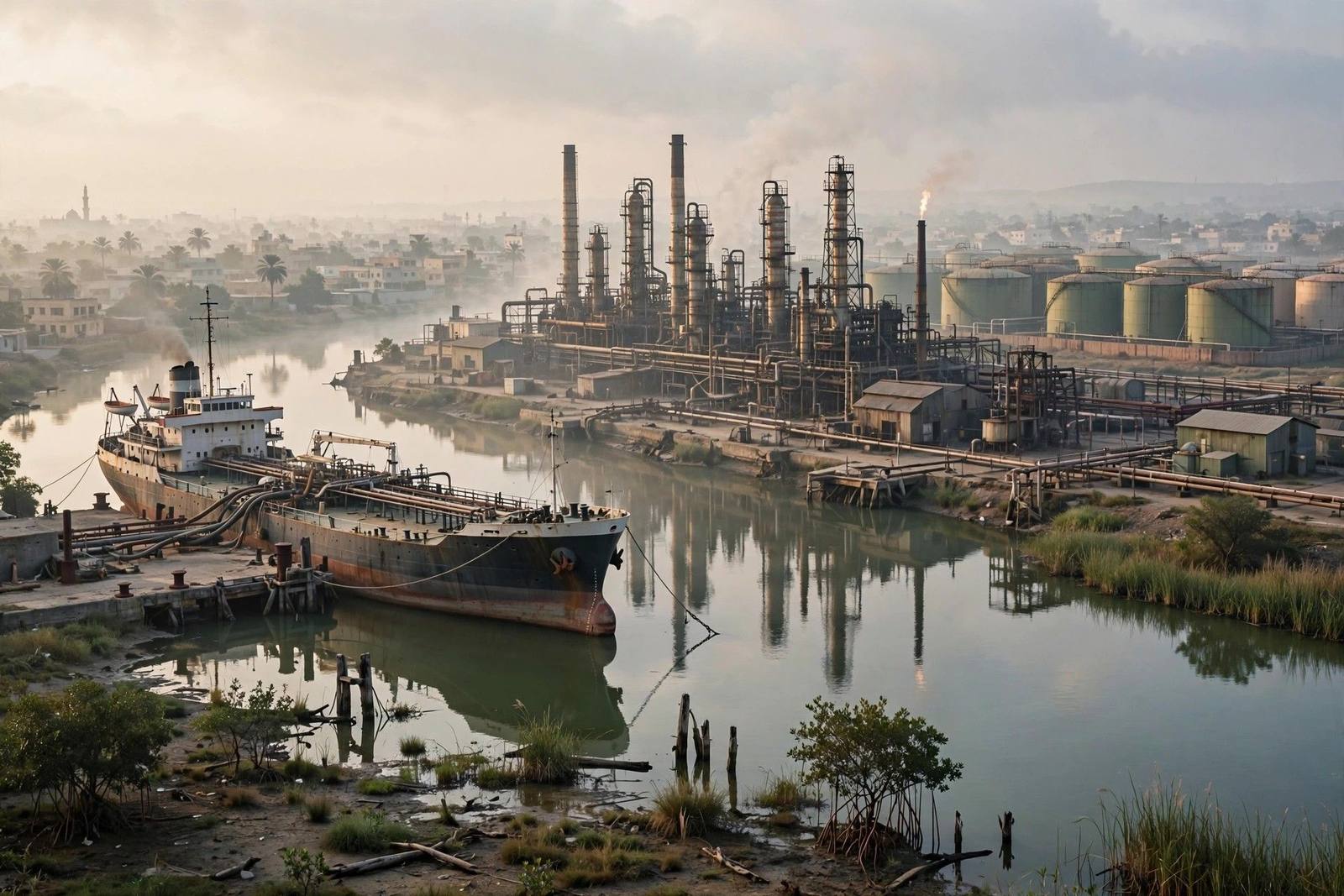
Lalpir earns on the standard two-part IPP tariff. Capacity payments, received when the plant is available, cover its fixed costs, its financing history and its sponsors' return; energy payments vary with generation and largely pass fuel costs through. The economics sounded solid in 1997. The difficulty is what the plant burns. Residual fuel oil is the system's fuel of last resort: it is priced off international oil markets, it must be hauled and stored, and in the merit order — the ranking by which the grid despatches the cheapest available plants first — a furnace-oil steam plant stands near the back of the queue, behind hydroelectric dams, nuclear stations, Thar coal and modern gas combined-cycle plants. Through the 2010s, as Pakistan added cheaper capacity and policy turned against furnace oil in power generation, plants like Lalpir ran less. Revenue held up better than generation did, because capacity payments do not depend on running — but the plant's strategic position weakened year by year, and the receivables it was owed by the payment chain grew with the sector's circular debt.
This is the lens through which to read LPL's accounts in any year: separate the availability story (is the plant ready, and is it being paid?) from the despatch story (how many units did it actually generate?), and remember that fuel, supplied by PSO under the legacy arrangements, is both an input and a political variable. Sister profiles of the same generation — Kohinoor Energy, another furnace-oil survivor of the 1990s, and Saif Power, a newer gas plant — show how differently the same tariff model plays out depending on fuel and vintage.
Strengths, risks and the end of the 1994 contract era
Lalpir's strengths are those of a seasoned asset in strong hands. The plant has operated since 1997 — few machines in the Pakistani fleet know their own behaviour better — and it sits inside the Nishat group, whose balance sheet, power-sector bench and relationships with lenders and regulators are among the deepest of any Pakistani sponsor family. The Nishat orbit also brings sibling expertise: Pakgen next door, the Nishat and Nishat Chunian combined-cycle plants, and a group treasury culture that has managed IPP cash flows through several national crises. For much of its listed life LPL was also a dividend story, distributing capacity-payment cash once its heavy project debt was behind it, in the pattern described in our guide to dividend investing in Pakistan.
The risks, though, have been converging on one point: the contract itself. Lalpir's 30-year agreement, running from the late 1990s, was always due to expire in the second half of the 2020s, and in the mid-2020s the government moved faster than the calendar — pressing the oldest 1994-policy IPPs to accept early termination or renegotiated terms as part of its effort to cut capacity costs, and Lalpir was among the plants whose original purchase agreement was brought to a premature end in that process. What replaces a terminated PPA — a settlement, a shorter or differently-priced arrangement, or a quiet retirement of the asset — determines what, if anything, the listed company becomes next. Add the standing sector risks: circular-debt receivables that are real but slow, a fuel the system is retiring, and the environmental cost of burning residual oil, which no amount of certification entirely answers. An investor in LPL is therefore no longer simply buying a running power station; they are pricing an endgame negotiated between a strong sponsor and a determined state.
LPL on the PSX: a stock that trades on policy as much as power
That reality explains LPL's market character. The shares sit outside the index heavyweight class, liquidity is moderate, and the price tends to respond to policy headlines — renegotiation rounds, termination settlements, circular-debt clearance packages — as keenly as to quarterly results. Followers watch a distinctive checklist: any announcement on the plant's contractual status and settlement terms; the receivables balance and its movement; despatch data in months when oil plants are called; dividend declarations, which signal how the board reads the endgame; and disclosures from the sponsor group, whose broader dealings often frame what happens at Mehmood Kot. Background reading on the sector's newest fuel frontier is in our guide to Thar coal explained, which describes the mine-mouth plants whose cheap fuel did so much to push furnace-oil stations down the merit order.
Lalpir also has genuine historical value for a student of the market. It connects the exchange's present to the moment Pakistan first invited the world to build its power stations, and its three lives — American project, Nishat asset, listed endgame — map neatly onto three decades of national economic policy. This article is educational content, not financial advice. Whether the Muzaffargarh boiler fires for many more years or settles into history, LPL remains one of the clearest tickers through which to study how Pakistan made, paid for, and finally renegotiated the private-power bargain of 1994.
Key takeaway: Lalpir Power is the AES-built, Nishat-owned 362 MW furnace-oil plant at Mehmood Kot, listed in 2013 — today its story is less about generating power than about how the 1994 IPP era is being settled.