KARACHI: Most pharmaceutical companies introduce themselves through the brands on their boxes. Macter International Limited — MACTER on the Pakistan Stock Exchange — built its reputation the other way round: by making other companies' boxes. Since the mid-1990s, some of the world's largest drugmakers have entrusted Macter's Karachi plant with manufacturing their medicines for the Pakistani market, a vote of confidence that requires surviving repeated international quality audits. Alongside that contract-manufacturing engine, Macter sells its own growing portfolio of branded generics and has pushed into biotechnology, including advanced injectable formats. This profile explains where the company came from, how the two halves of its business fit together, who controls it, and what investors who follow the PSX pharmaceutical sector usually watch in it.
Founded in 1992, in the S.I.T.E. industrial estate
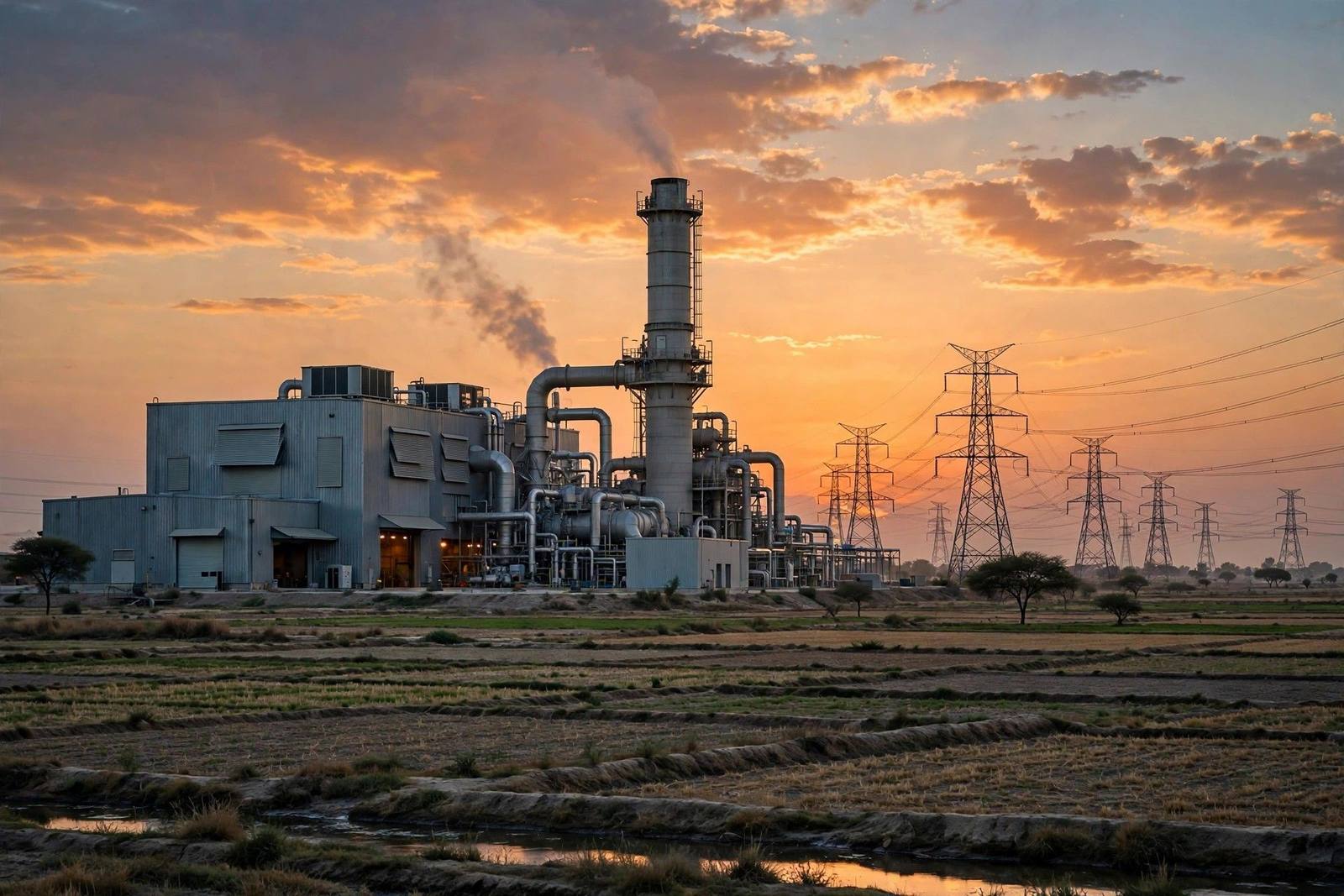
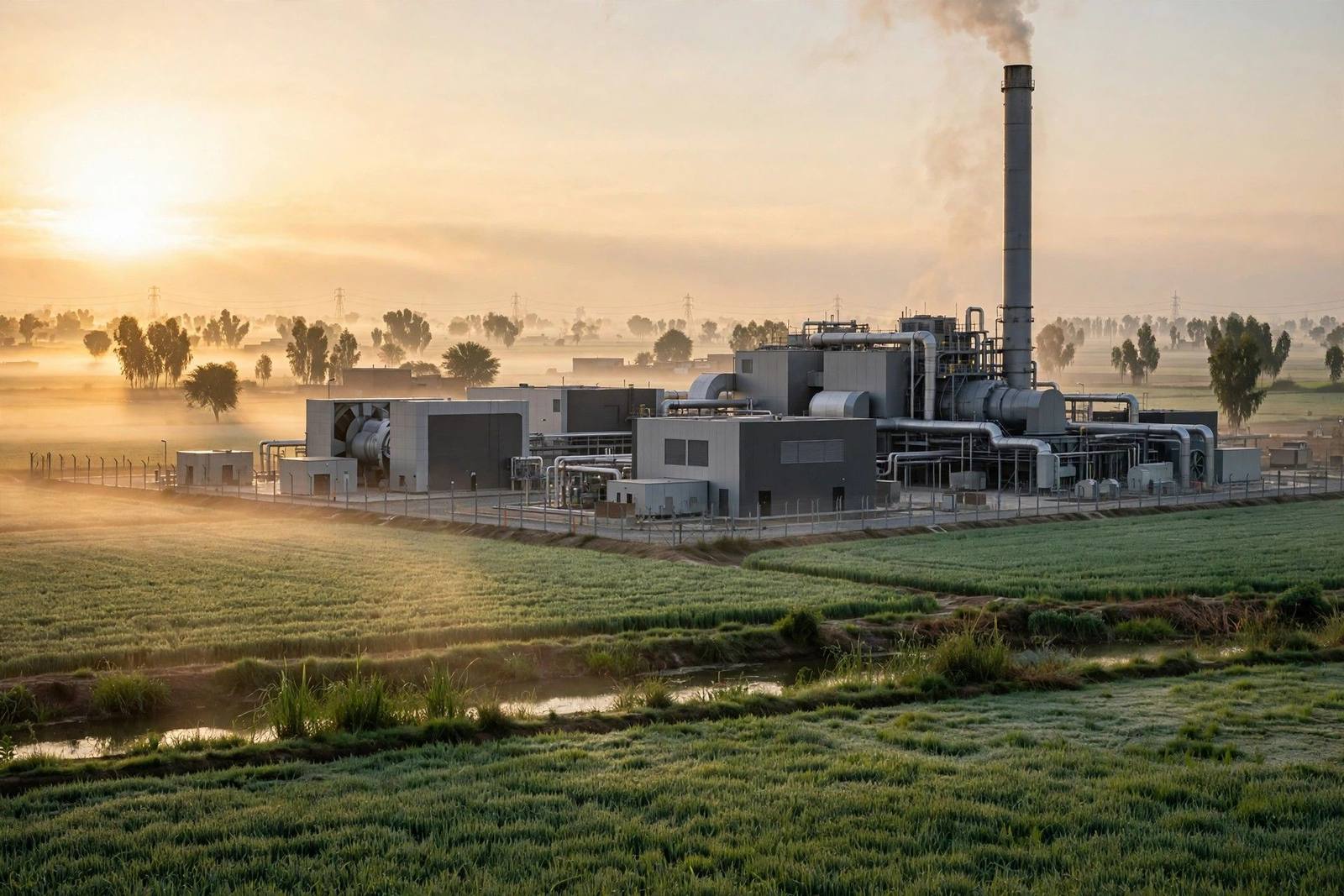
Macter International Limited was incorporated in Pakistan on 23 June 1992 as a private limited company, and it converted into a public limited company in 2011. Its home is F-216, S.I.T.E., Karachi — the Sindh Industrial Trading Estate, the planned industrial district laid out in the early years of Pakistan that houses much of the city's manufacturing. The timing of its birth was not accidental. Pakistan's pharmaceutical industry in the early 1990s was dominated at the top by multinational subsidiaries and a handful of large local firms, but underneath them sat a growing opportunity: international companies needed reliable local plants to manufacture their products in Pakistan, and local entrepreneurs with the discipline to meet multinational standards could build a substantial business without first winning a single prescription.
Macter took that route deliberately. Company accounts of its early years describe a manufacturer that set out to win contract work from multinationals and to let the discipline of that work — their audits, their specifications, their rejection standards — shape the whole factory. It is an unusual founding story for the sector, and it explains much of what followed: the emphasis on quality systems over marketing flash, the steady rather than spectacular growth, and a management culture run by the founding Misbah family, which has operated the company since inception and retains the majority stake.
The contract-manufacturing engine
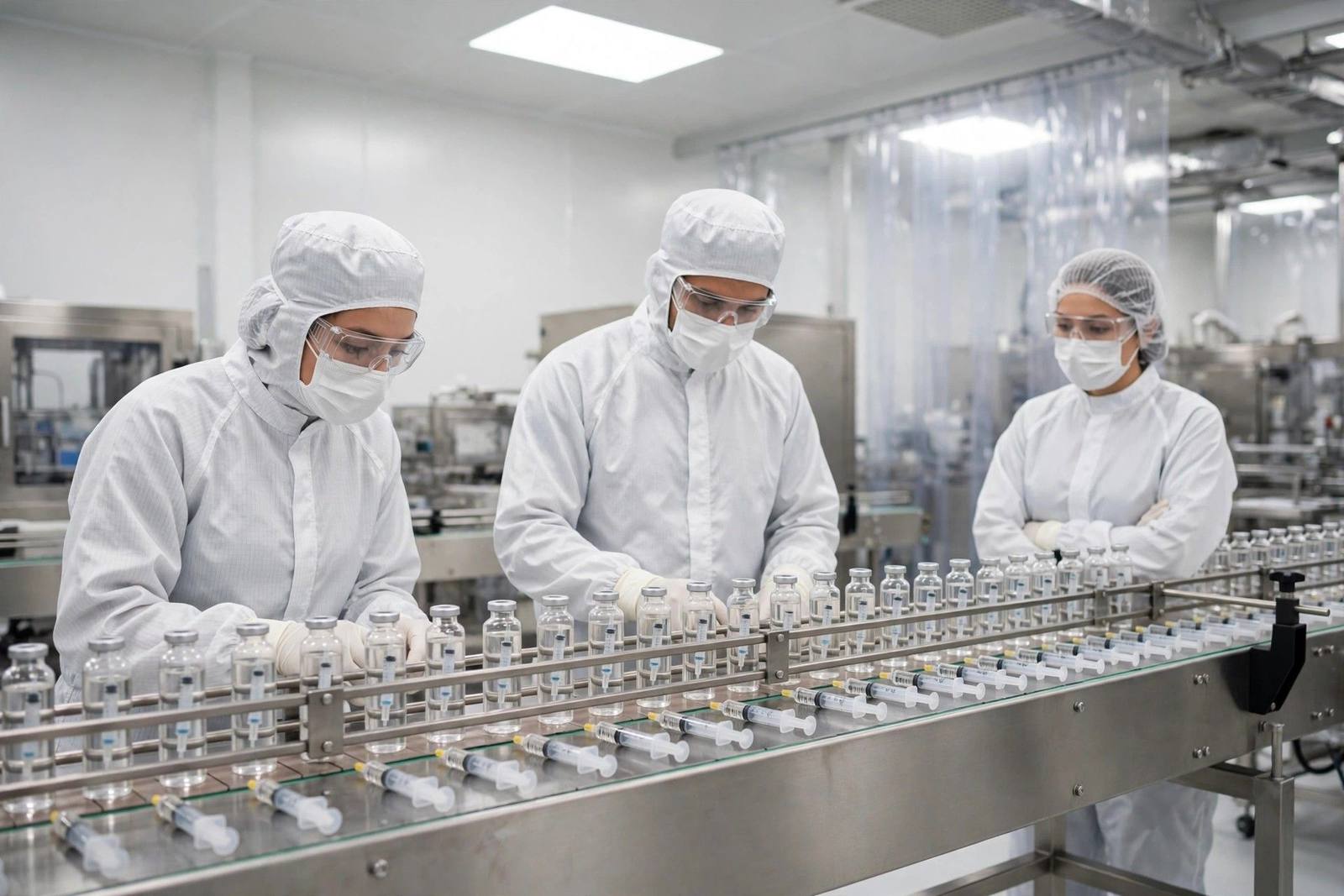
Contract manufacturing in pharmaceuticals is a demanding trade. A multinational that licenses a local partner to make its brands hands over its reputation along with its formulas; the partner's plant is inspected before approval, audited repeatedly afterwards, and can lose the work if standards slip. Macter's managing director, in a published interview, recorded that the company's contract-manufacturing relationships stretch back to 1994, and that its clients, past and present, have included names such as Novartis, Johnson & Johnson, Bayer, Pfizer, Procter & Gamble, Merck, Reckitt Benckiser and the Indonesian group Kalbe. Few Pakistani manufacturers can list a comparable roster, and the company itself points to this record — more than to any single product — as the validation of its quality systems.
The economics of the work are distinctive. Contract volumes are large and comparatively predictable: the client supplies the brand, the demand and usually the marketing, while Macter supplies compliant capacity and earns a manufacturing margin. High volumes through one plant spread fixed costs thinly, and the company has argued that this efficiency also helps it price its own medicines accessibly. The flip side is dependence: contracts can be renegotiated, insourced or moved, and the margin on toll work is structurally thinner than the margin on a successful brand of one's own. That is why the second half of the business exists.
Its own brands: branded generics and consumer products
Macter's other segment is branded generics — its own medicines, sold under its own names through its own sales force to doctors, hospitals and pharmacies. Its reported range spans antibiotics, cardiovascular medicines, anti-allergy and anti-viral products and other everyday therapeutic categories, in a full spread of dosage forms: tablets and capsules, syrups and suspensions, dry powders, sterile injections in vials and ampoules, ointments and creams, drops and inhalers. A consumer-products line sits alongside the prescription business. Rating-agency assessments of the company have noted both the opportunity and the constraint here: branded generics carry better margins and strategic independence, but Macter's own-brand market share and therapeutic diversity have historically been modest next to the sector's leaders, so growth in this segment is the long project that determines what the company becomes.
The group's more recent direction is visible in biotechnology. Company briefings describe Macter as the first and only approved manufacturing facility in Pakistan for the lyophilisation — freeze-drying — of biologicals, a specialist capability used for sensitive injectable medicines. In October 2025 the company informed the stock exchange that it had obtained the licences for pre-filled syringe and pre-filled pen manufacturing within its biotech area, giving it all three injectable biotechnology formats — vials, pre-filled syringes and pre-filled pens — and it has since launched products in modern pen presentations for metabolic care. For a company founded as a workhorse manufacturer, the biotech push is the clearest sign of where it wants to compete next: complex, higher-value products that fewer local rivals can make.
Exports have become the third leg the company talks about most. A plant audited to multinational standards can sell beyond Pakistan, and Macter's briefings in recent periods have pointed to export growth as a driver of both volumes and margins, because foreign sales earn hard currency against a largely rupee cost base — a natural hedge against the very depreciation that squeezes its domestic book. Institutional and tender business at home adds another stabiliser beside retail prescriptions. None of these channels changes the company's essential identity, but together they explain the strategic direction visible in its announcements: broaden the own-brand portfolio, climb into complex injectables, and sell compliant capacity to anyone — client, hospital, importer or patient — who will pay for quality that has been audited by the world's strictest customers.
Ownership, listing and the road to the PSX
Macter has been operated since inception by the Misbah family, which owns the majority stake; the remaining shareholding sits with a financial-services group, other institutions and the public, as rating reports on the company have described it. International financial institutions have also invested in the company in recent years — the company itself cites that institutional interest as recognition of its governance and growth prospects — a noteworthy feature for a family-run manufacturer of its size. The public chapter began with the conversion to a public limited company in 2011, and the shares were listed on the Pakistan Stock Exchange in 2017, with trading under the symbol MACTER from around the start of August that year. Listing gave the founding family a currency for growth and gave public investors one of the few pure exposures on the exchange to the contract-manufacturing model, distinct from the brand-led majors such as Searle or the multinational subsidiaries.
How Macter makes money
Revenue arrives through two taps. The first is contract manufacturing fees and product sales to client companies — volumes driven by the clients' brands and the capacity the clients book. The second is sales of Macter's own portfolio through distributors and its field force, where the company captures the brand margin but also bears the selling cost. In both halves, the cost structure is the familiar pharmaceutical one, and it is heavily dollar-linked: active ingredients and many excipients are imported, so a weaker rupee raises the cost of goods even when selling prices — regulated for much of the industry's portfolio through the Drug Regulatory Authority of Pakistan's pricing framework — move slowly and by approval. Packaging, energy and skilled labour complete the cost stack.
That structure explains what moves Macter's profits. Rupee depreciation squeezes margins until price adjustments or mix improvements restore them; a richer mix — more own brands, more biotech, more exports, an area the company has been developing — supports them; and utilisation is the quiet multiplier, because a plant running full for contract clients spreads its compliance and overhead costs across far more units. Cash conversion in the business is generally orderly, and the company has paid cash dividends across its listed life, though the size has moved with earnings, as beginners learning how dividends work on the PSX should expect of any mid-sized manufacturer.
Strengths, risks and honest constraints
The strengths begin with the audit trail. Winning and keeping multinational contracts since 1994 is a form of third-party certification that advertising cannot buy, and it underwrites both halves of the business: the same quality systems make Macter's own brands credible to doctors and its capacity attractive to new clients. The company has grown to employ well over a thousand people, describes itself as among the larger local manufacturers by volume, and has kept a comparatively clean governance reputation — factors that helped it attract institutional investors and a single-A category rating assessment when it was first rated.
The risks are equally concrete. Client concentration is the standing one: contract manufacturers live at the pleasure of their clients' strategies, and a multinational that consolidates its supply chain can move volumes. Currency is the second: imported raw materials against regulated prices is the sector's structural squeeze, and rating commentary on Macter has flagged margin erosion under sharp rupee depreciation as a live risk. Third is competitive position in its own brands, where it faces local majors with deeper portfolios and longer doctor relationships; and fourth, execution risk in biotech, where the products are valuable precisely because they are hard to make well. None of these are unusual for the sector — they are the standard physics of Pakistani pharma, applied to a company whose hedge is manufacturing excellence rather than a blockbuster brand.
Regulation deserves its own word, because it frames both halves of the business. Every product Macter makes — for a client or for itself — is registered with the Drug Regulatory Authority of Pakistan, manufactured under good-manufacturing-practice rules, and priced within a framework that has historically capped increases for essential medicines while allowing somewhat freer movement elsewhere; recent policy has moved toward deregulating pricing for non-essential products, a change the whole sector is digesting. For a quality-led manufacturer, tighter regulation is not purely a burden: enforcement against substandard production raises the value of exactly the compliance infrastructure Macter has spent thirty years building, and each round of industry consolidation around quality tends to send more contract work toward the plants that multinationals already trust.
The name on the PSX and who studies it
MACTER trades in the pharmaceuticals sector with a June financial year, and its free float — roughly a third of the shares, with the family and institutions holding the rest — makes it a mid-liquidity name: tradable, but not one of the exchange's heavy-traffic counters. Its results rhythm is quarterly, and the readers who follow it closely tend to watch the split between contract and own-brand momentum, export progress, gross margin against the rupee, and announcements from the biotech facility, where each new licence or launch widens the moat a little. Developments are filed through the exchange like those of any listed company, and investors new to following company news can use this site's guide to how share ownership and settlement work through the CDC to understand what holding the shares actually involves.
The typical MACTER student is an investor who prefers picks-and-shovels economics: rather than betting on one drug brand, they are studying the factory that makes many companies' drugs, plus an own-brand and biotech option on top. That is a legitimate lens, provided it is used with clear eyes about client dependence and currency. This profile is educational content, not financial advice; it describes a business model, and the model — quality-assured capacity, sold to multinationals and increasingly to patients under Macter's own label — is what the shares represent.
Key takeaway: Macter International (MACTER), founded in Karachi in 1992, controlled by the Misbah family and listed in 2017, built its name on contract manufacturing for multinationals since 1994 — and now pairs that volume engine with branded generics and a growing biotechnology business in advanced injectables.