KARACHI: Every large Pakistani business family seems to have a second company — the one that specialists know well and everyone else discovers late. For the Sapphire Group, that company is Sapphire Fibres Limited, traded on the Pakistan Stock Exchange as SFL. It shares a founder, a name and an industry with the group's flagship, Sapphire Textile Mills (SAPT), but it is a separate listed business with its own mills, its own register of shareholders and its own personality: a substantial spinner and weaver that added a modern denim operation, Neela, and that has repeatedly been used by the family as a vehicle for consolidating and extending the group's textile interests. To understand SFL is to understand how Pakistani family groups actually organise themselves — not as one monolith, but as a constellation of listed and unlisted companies under common control.
A second mill inside a growing group
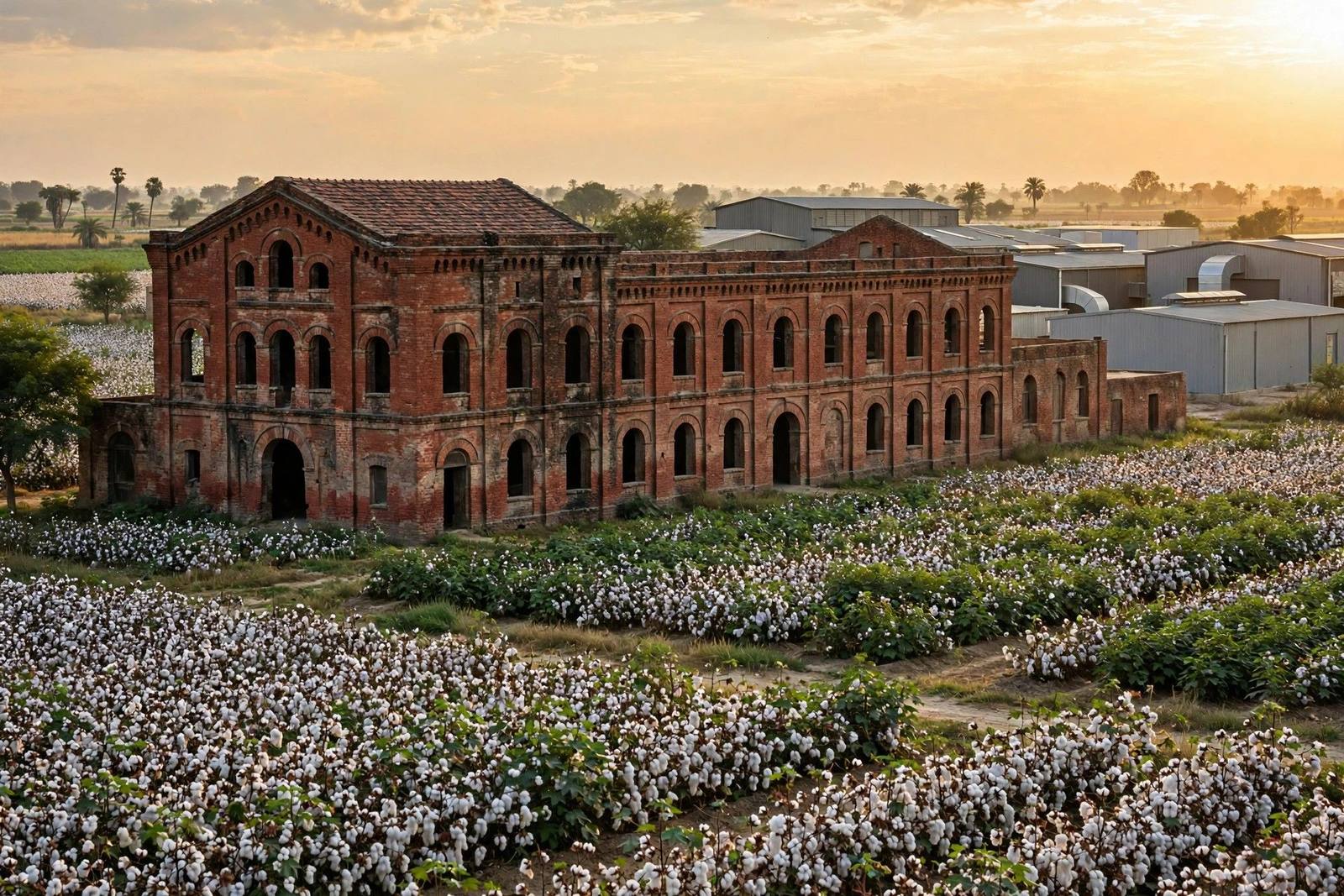
Sapphire Fibres grew up within the expansion of the Sapphire Group itself. The group's modern history begins with Mian Mohammad Abdullah, who established the first Sapphire spinning mill around 1970 and built, over the following decades, one of Pakistan's largest vertically integrated textile enterprises. As the group added capacity, it did not pour everything into a single corporate shell. Different mills and stages of production were housed in different companies — a common pattern in Pakistan, where expansion was often financed mill by mill, with separate lenders, separate land and separate listings.
Sapphire Fibres became the group's second listed textile vehicle in that process. Where SAPT developed as the broad composite flagship — yarn, fabric, finishing, home textiles and garments, plus stakes in retail and power — Sapphire Fibres built its identity more narrowly around spinning and weaving, supplying yarn and fabric to customers inside and outside the group and to export markets. The two companies are therefore best read as siblings rather than as parent and subsidiary: both answer to the same sponsor family, both appear in the PSX's textile composite sector, and an investor comparing them is really comparing two different slices of the same family's industrial life.
That sibling structure has practical consequences. The companies share the group's reputation with banks and buyers, its central knowledge of cotton buying and its standards of compliance. They also transact with each other and with other group companies, so the related-party notes in each annual report — who sold what to whom, at what terms — are part of the real story of either stock, a point our guide to family businesses on the PSX returns to often.
Spinning, weaving — and then denim
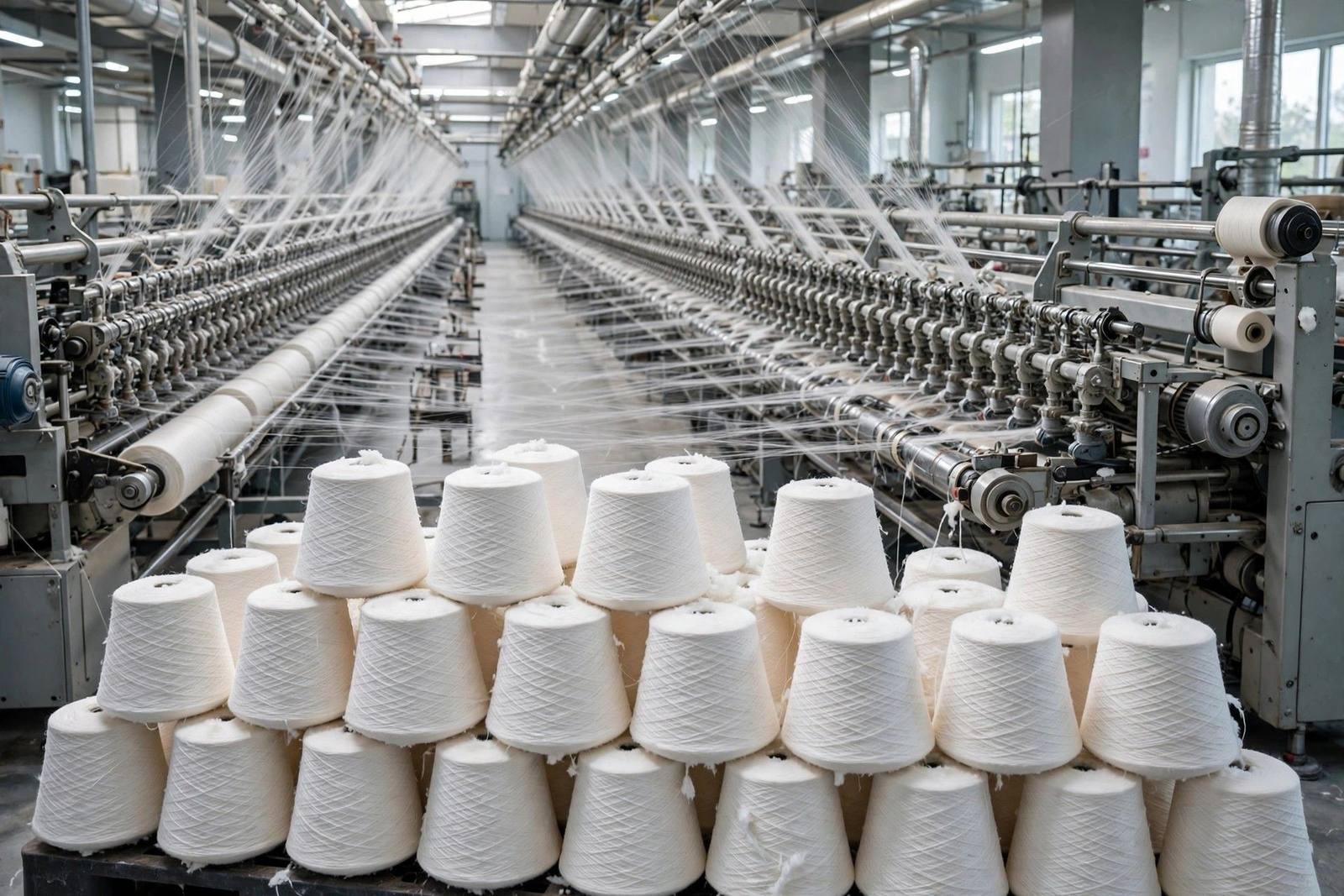
At its core, Sapphire Fibres is a maker of yarn and woven fabric. Its spinning units convert cotton and blended fibres into yarns for knitting and weaving customers, and its weaving operations produce fabric for apparel and home-textile buyers. This is the traditional middle of the Pakistani textile chain: less visible than garments, more capital-intensive than trading, and entirely dependent on getting three things right at once — fibre buying, energy and machine utilisation.
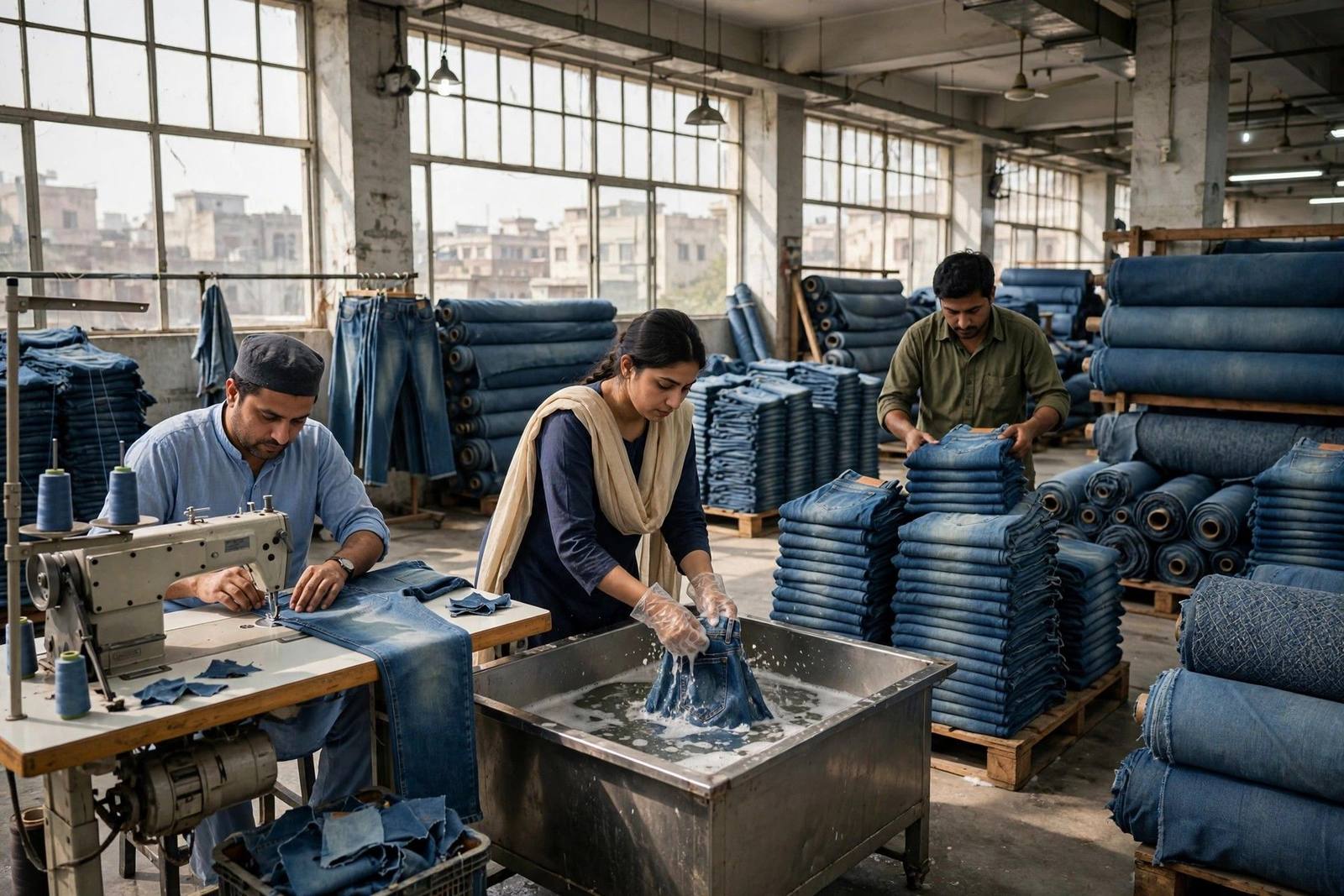
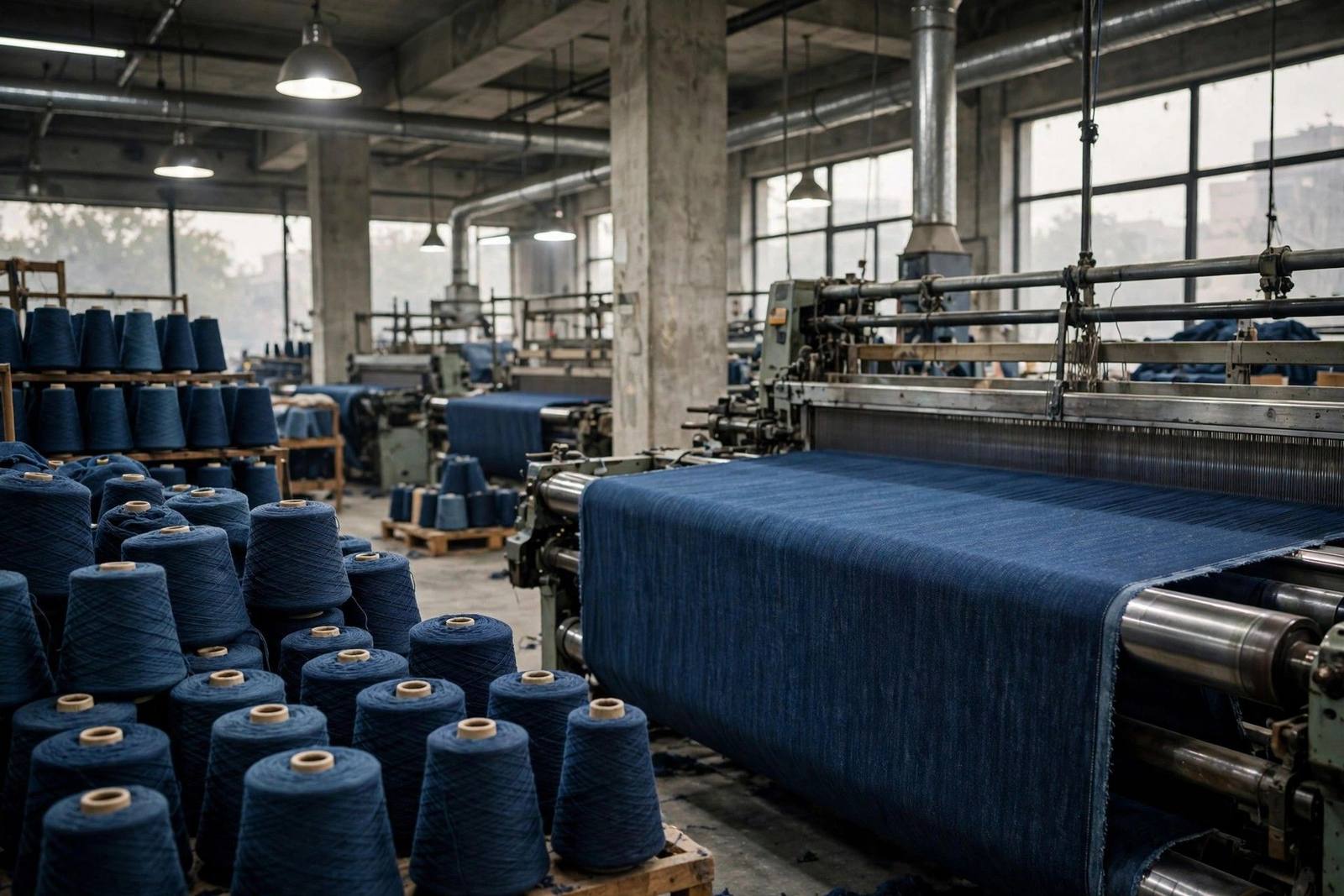
The company's most distinctive modern chapter is denim. In June 2016 Sapphire Fibres established Neela, a denim fabric mill in Lahore presented by the group as a state-of-the-art, environmentally conscious operation — it holds a LEED Gold certification and produces stretch denim for export markets, mainly in Europe and the Americas. Partner materials for Neela describe an integrated fabric operation with a monthly denim capacity of around 1.8 million metres, built around its own spinning and fabric development, with certifications spanning organic, recycled and responsible-production standards. Denim matters to the SFL story because it moves the company up the value ladder: a metre of developed, washed-effect stretch denim sells on design and hand-feel, not only on the cotton price, and it ties the mill directly to the jeans programmes of foreign brands rather than to anonymous yarn markets.
A second consolidation chapter arrived through Reliance Cotton Spinning Mills, a spinning company established in 1991 under the umbrella of Sapphire Fibres, which began production in 1992 and built a plant of some 58,000 spindles whose yarns were exported for knits and wovens. In 2026, after the required regulatory steps, Reliance Cotton was merged into Sapphire Fibres and delisted from the PSX — a tidying-up that folded a long-associated spinning asset fully into SFL and illustrates, in miniature, how groups periodically simplify structures that history made complicated.
How Sapphire Fibres makes money
The revenue logic will be familiar to any reader of PSX textile stocks, but SFL's mix gives it a particular flavour. Yarn is a spread business: buy fibre, add conversion cost — labour, energy, maintenance, finance — and sell into a market priced internationally. Fabric adds a second conversion step and a better margin when looms are full and designs are right. Denim adds a third element, fashion: the right blend, stretch and shade developed with a brand's designers can hold a programme for seasons, while the wrong development cycle leaves greige fabric chasing discounts.
Because so much of the output is exported directly or embodied in other exporters' garments, the rupee exchange rate runs through the results just as it does for SAPT, as does the cotton crop described in Pakistan's cotton economy. When domestic cotton is short or poor quality, SFL must import fibre like everyone else and compete for it at world prices; when energy tariffs jump, its spinning-heavy cost base feels it immediately, spinning being among the most power-sensitive stages of the chain. The company's defence, historically, has been the standard Sapphire one: modern machinery, product development toward finer and speciality yarns and developed denim, group-scale cotton procurement, and investment in its own energy arrangements to keep mills running through grid interruptions.
Readers of SFL's accounts will also notice investment and other income at intervals — the financial residue of a group company that holds stakes and balances beyond its own factory gates. The careful habit is to separate mill earnings from such items before judging a year: a strong reported profit built on non-operating income tells a different story from the same profit earned at the spindle and the loom.
Beyond the mill gate: the group's restless edge
Sapphire Fibres has also been the vehicle through which the family has explored opportunities outside textiles altogether. The company has established a wholly owned subsidiary in the United Arab Emirates, Saphir Holding, as a platform for international business opportunities, capitalised initially with a modest equity remittance disclosed to the PSX. More strikingly, its board approved participation in the privatisation process for Faisalabad Electric Supply Company, the state-owned power distributor known as FESCO, including seeking pre-qualification and potentially forming a consortium. Neither step makes SFL a power company today — pre-qualification is not ownership, and a small overseas subsidiary is not a new business line — but both show how a cash-generative textile company inside an ambitious group can become a bidder for assets far from its original trade. For minority shareholders, such moves are the moments to read disclosures closely: the price of diversification is paid with the same balance sheet that funds the mills.
Strengths, risks and controversies
SFL's strengths mirror its parentage: an experienced sponsor with deep knowledge of cotton and export markets; modern, certified capacity, most visibly in denim; and the resilience that comes from selling several products — yarn, fabric, denim — into several markets. Its membership of the wider Sapphire organisation gives it procurement scale and buyer credibility that a standalone mill of its size would struggle to match.
The risks begin with concentration of a different kind. SFL is more exposed than the flagship to the spinning and fabric stages, where margins are thinnest and the cycle bites first. It faces the sector's standing pressures — dear and unreliable domestic cotton, high energy tariffs, intense regional competition and dependence on foreign apparel demand. Group-level decisions, from mergers to bids for unrelated assets, can change the company's shape with limited warning, however properly disclosed. And, as with SAPT, trading liquidity is modest: the sponsor's control and the company's size mean the free float is limited and the share price can be quiet for long stretches and jumpy when orders arrive — the mechanics are explained in our guide to free float.
There is no single famous controversy attached to Sapphire Fibres of the kind that defines some names in this batch; its honest caveat is quieter. Second companies in family groups receive less analyst and press attention, which means less external scrutiny and, for the diligent reader, more of the work falling on the annual report itself — segment results, related-party transactions, the terms of any merger or acquisition, and the movement of cash between operating profit and the bottom line.
Reading a second company: what the comparison teaches
Owning or studying SFL beside SAPT is a useful education in Pakistani market structure, because the pair strips away excuses. Both companies buy the same cotton, pay the same energy tariffs, sell into the same export markets and answer to the same family — yet their results differ year to year, sometimes markedly. The differences are the fingerprints of mix and mandate: how much spinning against weaving, how much denim against yarn, how much investment income against mill profit, how much caution against expansion in a given year. An investor who can explain why the sibling lagged or led in a particular period has learned to read a textile company properly.
The comparison also disciplines the holding-company question. Group accounts are easy to criticise in the abstract — complexity, related parties, capital wandering into ventures like overseas subsidiaries or power privatisations — but the Sapphire structure also shows the defence: shared cotton buying across mills is real savings, a common export reputation opens buyer doors no single mid-sized mill could open alone, and a strong flagship's credit standing lowers the whole family's cost of borrowing. The task is not to choose a slogan about family groups but to price, company by company, whether the benefits reaching the listed vehicle outweigh the costs it bears. SFL's annual report, read over several years rather than one, is where that pricing is done.
Finally, SFL illustrates the market's patience problem. Second companies trade less, are researched less and are re-rated more slowly than flagships, in good times and bad. For the reader who has done the work, that neglect is the opportunity and the risk in the same fact: the mills may be worth studying long before the market price notices, and may stay unnoticed long after it should have. Time horizon, in such a stock, is not a preference — it is the strategy itself.
The name on the PSX and who studies it
SFL trades as a textile composite on the PSX, with a dividend record that, like most Pakistani textile companies, follows the cycle and the board's judgement year by year rather than any fixed policy — readers can follow the mechanics of announcements and payments in how PSX dividends work. It rarely features in benchmark conversations the way its larger sibling has, and that is precisely its constituency: patient, report-reading investors who know the Sapphire family, follow the denim and yarn markets, and are comfortable owning the second name in a group in exchange for a business they understand well.
What those followers watch is consistent: cotton prices and crop quality; yarn and fabric export demand; Neela's denim order book and product development; energy costs and availability; any further consolidation of group spinning assets into SFL; the outcome of non-textile ventures such as the FESCO process; and the split between operating profit from the mills and other income. This profile is educational content, not financial advice, and nothing in it is a recommendation to buy or sell SFL shares.
Key takeaway: Sapphire Fibres is the Sapphire Group's second listed mill — a spinning, weaving and Neela denim business, folded together with Reliance Cotton in 2026, whose fortunes turn on fibre, fabric and the family's wider ambitions.